10 career change books for self-employed people
Choose a book for the decision in front of you.

If the work you sell no longer fits, Working Identity and Designing Your Life help you explore what else you could do. Pivot gives you a way to test a new kind of project before changing your offer. If you are deciding whether to drop a line of work or change how you do it, start with Quit, The Good Enough Job or So Good They Can't Ignore You.
These books earn their place by helping with a particular decision: what to keep from your work, what to try with a client, or what would justify changing direction. Start with the decision you face rather than reading the list in order.
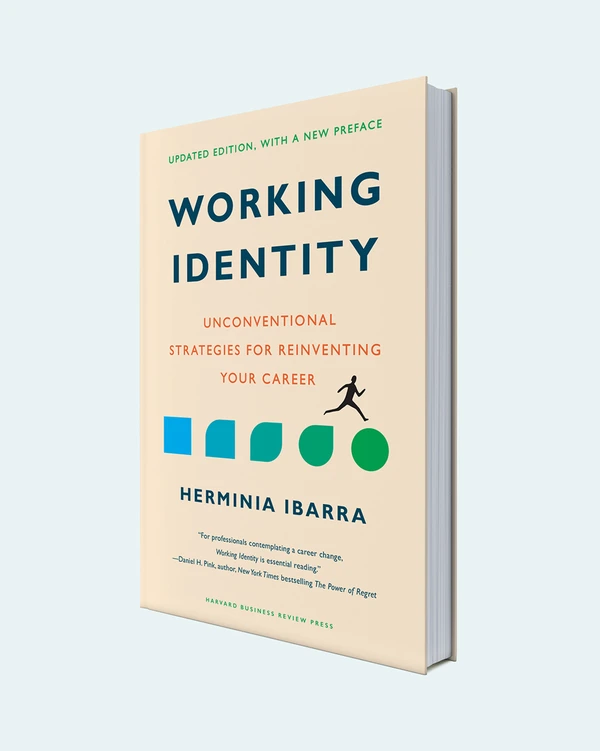
1. Working Identity
Working Identity helps when the work clients know you for still shapes how you describe yourself. Herminia Ibarra looks at how trying new work and meeting people in other fields can change how you see yourself. Her approach includes making sense of what you learn from those encounters. If you are weighing a move into advisory work, sit in on a piece of that work and see which parts you would want to do again. For the mechanics of applying if you want a salaried role, start with Bolles. Publisher or author source.
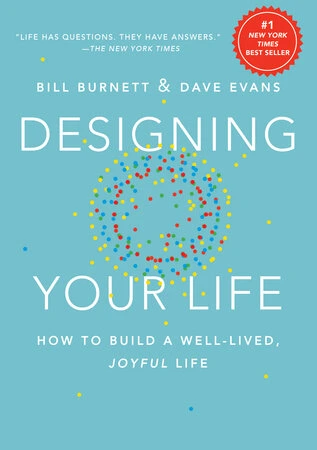
2. Designing Your Life
Bill Burnett and Dave Evans help you sketch several plausible lives before betting on one. Their design approach treats a possible future as something you can explore through conversations and small trials. An experiment can show you that you like the work while leaving pay, hours and access to roles open. Treat those as separate questions. Publisher or author source.
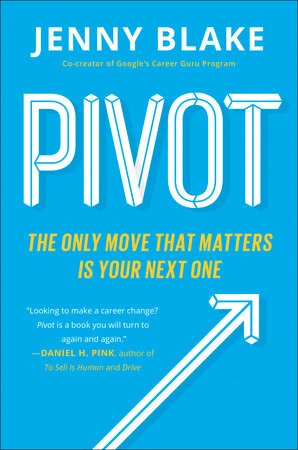
3. Pivot
Pivot helps you carry a strength into a new kind of work. Start with a strength you already use and look for a small way to test it in the new setting. If clients already call you to untangle stalled projects, see if one will give you a small assignment where that is the point of the work. One project can show you whether you enjoy it. You will still need to find out whether other clients will pay for it. Publisher or author source.

4. What Color Is Your Parachute?
Use Richard N. Bolles when a salaried role is one of the options you want to explore. The self-assessment helps you name transferable skills and the conditions under which you do your best work. Then look at actual job descriptions and talk to people doing the work. A skills inventory gives you language for the search. It does not establish what employers will pay for it. Publisher or author source.
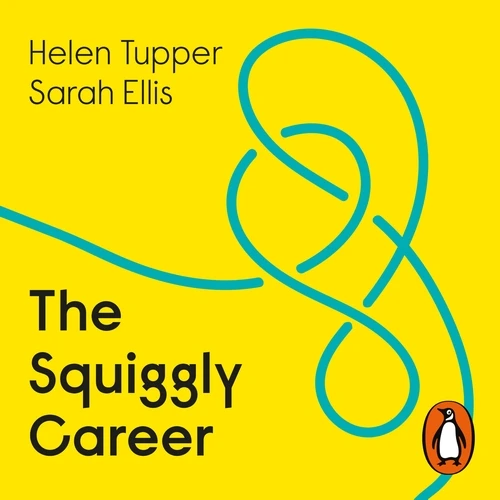
5. The Squiggly Career
Helen Tupper and Sarah Ellis give you ways to think about a move into an adjacent field. Their exercises help you identify strengths you want to use more often. Pick one and ask someone doing the new work to show you where it comes up in a normal week. The exercise can help you judge fit. A conversation with a client will tell you more about what they would pay you to do. Publisher or author source.
6. Quit
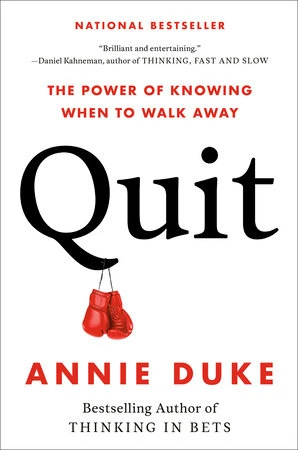
Quit helps you decide what would make you stop a plan you have already put time into. Set a criterion while you can still think about it without defending the months you have spent. If you are still fitting unpaid follow-up into evenings after three projects, decide when you will change the scope or stop offering the service. Pick the threshold based on what you can afford to change. Publisher or author source.
7. The Good Enough Job
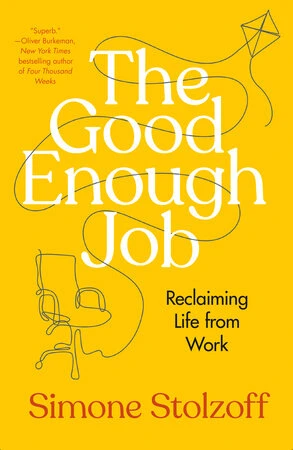
Simone Stolzoff asks how much of your identity you want to get from work. His reporting looks at what changes when other parts of life get room. That can help you decide whether you need a new line of work or fewer evenings answering client messages. It gives you a way to frame the choice before you make an application plan. Publisher or author source.

8. Range
David Epstein makes a case for the value of a varied work history in fields where problems are unpredictable. His examples give you a reason to look for places where one field's habits helped solve another field's problem. Choose a real example from your own work. A varied background is only part of the case when a client needs a specialist. Publisher or author source.

9. The Long Game
Dorie Clark writes for the point where you can name the move but still need time to make it possible. It looks at how people make room for longer goals while doing work with short deadlines. Ask what small commitment you can keep for several months while your current work still pays for the time you need to build the relationships or skills. This suits a decision you have room to stage. It offers less help if you need replacement income immediately. Publisher or author source.
10. So Good They Can't Ignore You
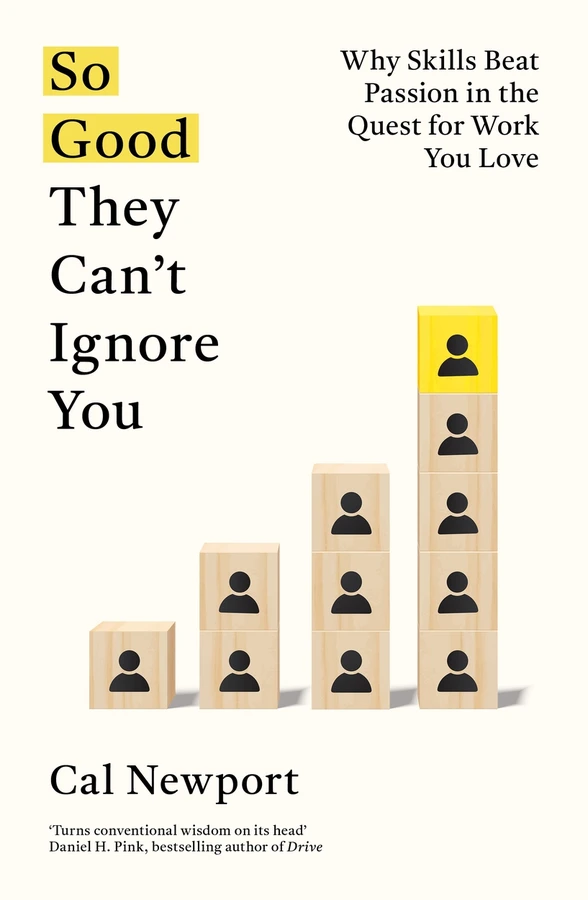
Cal Newport offers a case for building more room to choose within your present field. Newport argues that valuable skills can create options and autonomy. Before investing another year, ask a client what those skills would let you take on. If they still need the same work from you, ask whether a different client or project would give you room to use them. Publisher or author source.
If you can name what needs to change but cannot see the next step, a first coaching conversation can help you name the decision and find a step you can test.
Sources
- Working Identity
- Designing Your Life
- Pivot
- What Color Is Your Parachute?
- The Squiggly Career
- Quit
- The Good Enough Job
- Range
- The Long Game
- So Good They Can't Ignore You
Sources checked on 9 November 2026.