5 books for reshaping your self-employed working life
Choose by the decision you need to work through: growth, time, delivery, another direction or a changing professional role.

A business can bring in enough work and still leave you with a week you would rather change. Perhaps every assignment needs you personally. Perhaps you keep accepting work because you cannot yet see what you would do instead.
Before choosing another business book, I would try to name the decision you need help with. These five approach different parts of that question: how large the business should become, what gets your time, how delivery works, and how to explore another direction. Their relevance comes from those differences. You do not need to work through the whole list.
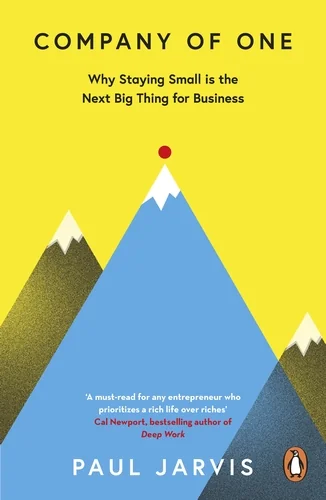
1. Company of One, Paul Jarvis
If your business is working and people keep telling you to expand it, Company of One gives you a starting point for examining that advice. Jarvis questions automatic growth and describes deliberately staying small while building a sustainable business. The publisher also identifies desired revenue, cash flow and customer relationships as parts of the approach. Read the publisher's description.
The decision I would bring to it is what an expansion would make possible for you, and what you would have to take on. Hiring someone might remove delivery work and add management work. A larger customer might increase revenue and make your availability less flexible. Staying small still needs a workable income model. Put those consequences beside the proposed growth before deciding which version of the business you want.
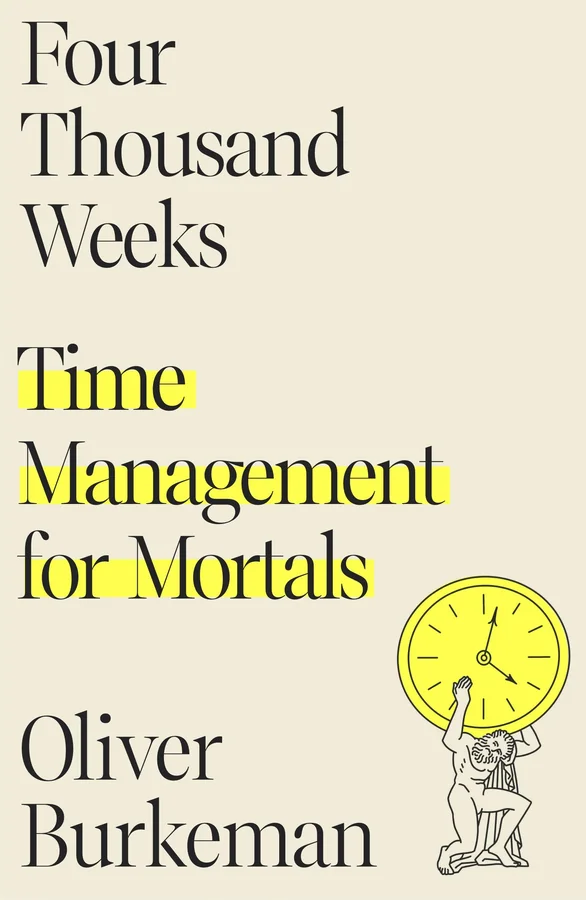
2. Four Thousand Weeks, Oliver Burkeman
Burkeman approaches time through its limits. His account of Four Thousand Weeks asks what we will neglect when there will never be time for everything. That makes it a relevant choice when each improvement in your productivity seems to leave room for another commitment. Read Burkeman's account of the book.
For a self-employed reader, I would connect that question to the promises already in the calendar. Which work are you willing to stop offering? What would you leave unfinished to protect an afternoon that matters to you? This book can give you a way to examine the choice. It cannot renegotiate an existing agreement or replace the income you would lose, so those practical consequences belong in the same decision.
3. The E-Myth Revisited, Michael E. Gerber
Being good at the work and running the business that delivers it require different things. That is central to Gerber's argument. EMyth's explanation of the book describes the technician who starts a business to practise a craft, then becomes responsible for all the other work around it. It connects greater independence from the owner with deliberately designed systems. Read EMyth's explanation.
This is the choice I would consider when the business repeatedly waits for you to prepare, explain or check the same work. Trace an actual delivery from the client's request to the finished result. Which judgements need your experience? Which steps could someone follow from a clear agreement and an example of good work? You may want to keep the craft yourself. The useful question is how much of the surrounding business also needs to depend on you.

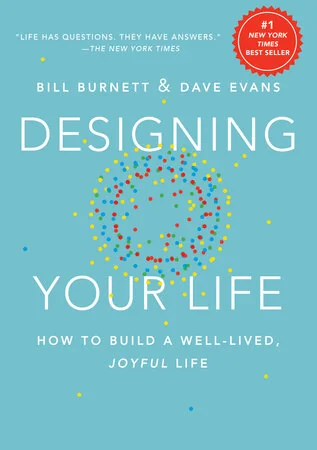
4. Designing Your Life, Bill Burnett and Dave Evans
Designing Your Life applies design thinking to work and life choices. The publisher's reading guide includes alternative plans, prototyping, questions that uncover assumptions and learning through iteration. It is a different starting point from trying to identify a complete new direction before doing anything. Read the publisher's guide.
Suppose you are considering teaching alongside your client work. An early step might be a conversation with an education provider about a specific audience and problem. That can reveal questions about delivery and demand before you build a course. This is an application of the approach, not evidence that the course will sell. Decide what you need to learn and what time you can afford to spend finding it out.

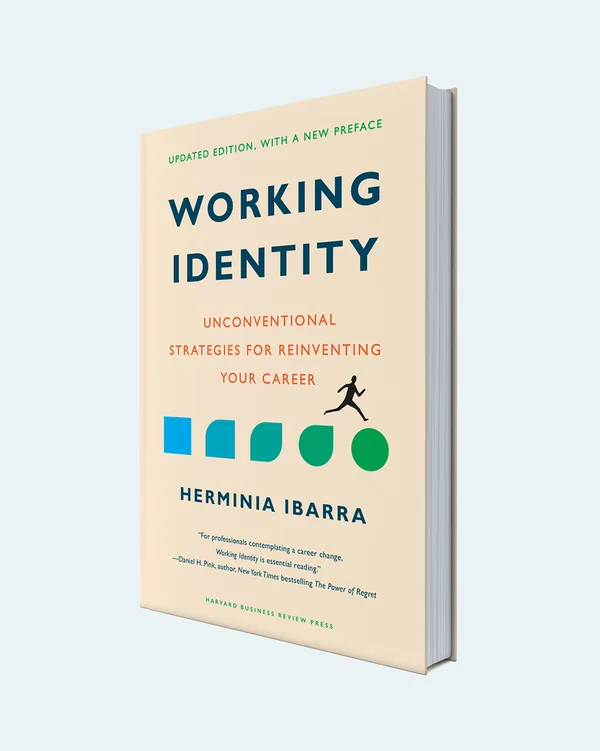
5. Working Identity, Herminia Ibarra
Working Identity concerns professional reinvention. Ibarra describes learning through new activities, different relationships and making sense of emerging possibilities. Her argument draws on research with professionals and managers in transition. Read Ibarra's description of the updated edition.
I would look here when changing the work also means changing a role you have held for years. You might have ideas for a different offer and still find it difficult to explain what you are becoming to people who know your old work. Designing Your Life is the more direct entry above for shaping an experiment; Working Identity puts more attention on the transition between professional roles. Neither removes the need to keep the business financially viable while you explore.
Bring the reading back to a decision
Choose the book closest to the problem you can describe today. Then use the reading to examine something real: a proposed expansion, an existing commitment, a repeated delivery or an alternative you could investigate. Notice what you would need to change and who else would be affected.
If delivery dependency is the immediate issue, you can also work through how much your business should depend on your own hours. If several possible directions are competing for your time, start with choosing between business ideas.
In a coaching conversation, we can examine the particular decision alongside your customers, income and the working life you want. Bring the situation you are trying to change; you do not need to finish a reading list first.
Sources
- Company of One by Paul Jarvis
- Four Thousand Weeks by Oliver Burkeman
- The E-Myth Revisited by Michael E. Gerber
- Designing Your Life by Bill Burnett and Dave Evans
- Working Identity by Herminia Ibarra
Sources checked on 24 October 2026.