10 books for small business owners weighing growth
Match the book to the change you are weighing in your business.

Company of One and Small Giants help you decide how big you want the business to be. The E-Myth Revisited, Clockwork and Buy Back Your Time help you decide what to change when too much work depends on you.
The books each address a different decision about size, work or money. The examples apply them to a small service business.
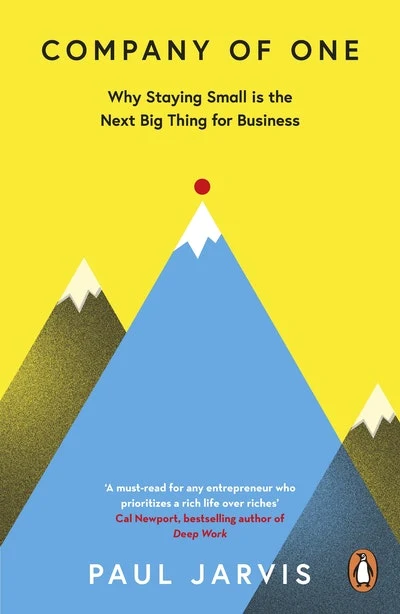
1. Company of One
Paul Jarvis’s book is for deciding what you gain by staying small. If your consultancy has enough work for one person, ask what a second person would make possible that you actually want. The book gives you a reason to test the premise of growth. You still need to check how much work and income you can sustain on your own.
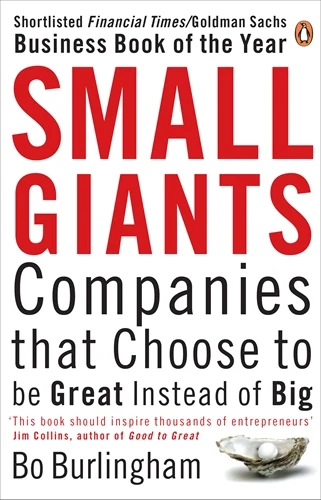
2. Small Giants
Bo Burlingham profiles privately held companies that pursued goals other than getting bigger. Read it when the business has people and customers whose experience could change if you expanded. Compare what a bigger firm would do better with what your customers value about the firm today. The profiles give you cases to think with. They cannot predict what your customers would choose.
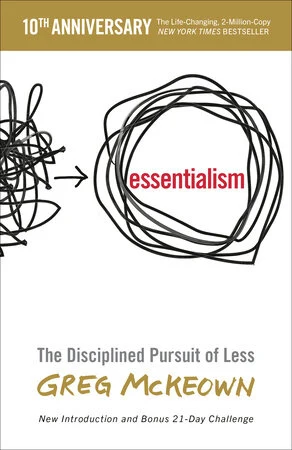
3. Essentialism
Greg McKeown’s book is for choosing what deserves your time when several commitments look worthwhile. Try it on the offers you still sell. Which would you put back on the website if you were starting today? Use that answer to decide what to sell next. Existing client commitments still need to be honoured.
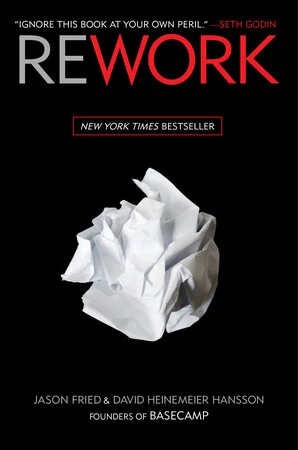
4. Rework
Jason Fried and David Heinemeier Hansson challenge the idea that you need a big plan or outside investment to get going. Read it before building a new service around a demand you have yet to test. A small paid engagement could tell you whether the problem is worth pursuing. The book’s argument for starting simply leaves you to work out which promises the first engagement needs in writing.
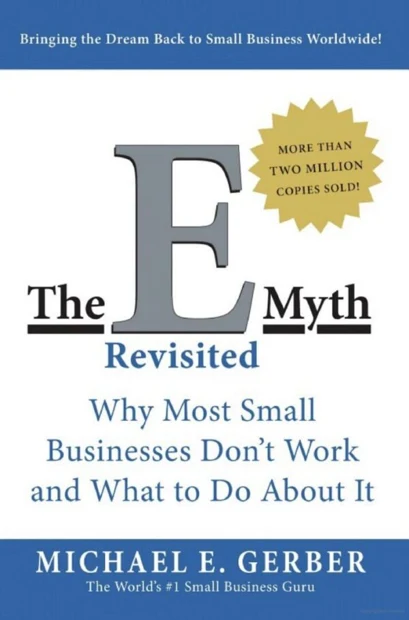
5. The E-Myth Revisited
Michael E. Gerber separates doing the work from building the business that delivers it. Use that distinction when clients keep asking you to solve the same delivery problem. Write down where the next person would get stuck, then decide what would help them do the job. Start with work that repeats often enough to justify documenting it.
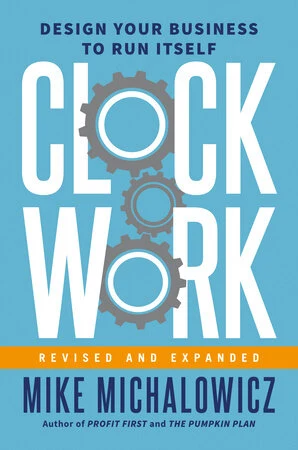
6. Clockwork
Mike Michalowicz’s book is for deciding which function the team has to protect when you step away. In a consultancy, that might be agreeing changes before the team does extra work. Give one person a decision they can make and a clear point for escalating it. A team cannot take over the decision if it lacks the information or authority to make it.
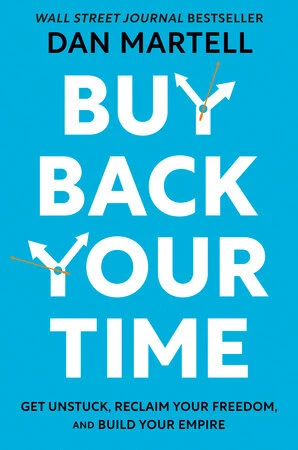
7. Buy Back Your Time
Dan Martell’s book starts with the idea of spending money to free up your time. Before handing over scheduling, ask how many hours you will actually recover once you account for explaining the work and answering questions. Decide what those hours are for. The answer might be more client work or an evening you want back.
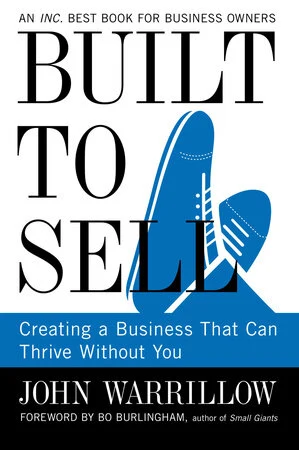
8. Built to Sell
John Warrillow examines how dependence on the owner can make a business hard to sell. If clients buy your judgement and expect you at every meeting, ask which parts of delivery they would trust someone else to handle. The book is most relevant when transferability matters to you. A practice built around your own expertise can have a different aim.
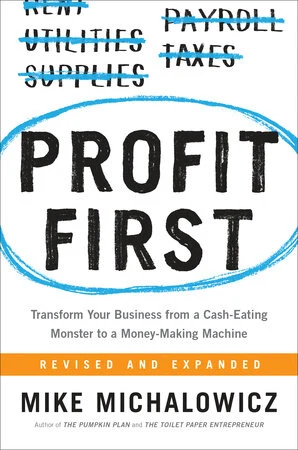
9. Profit First
Mike Michalowicz proposes setting aside profit before allocating the rest to expenses. Read it when you want a way to decide how much cash is available to spend as money comes in. Before committing to a new recurring cost, check what you already owe and when customers will pay. An allocation habit leaves those dates and obligations to you.
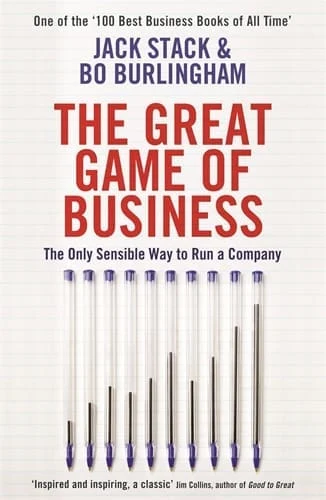
10. The Great Game of Business
Jack Stack and Bo Burlingham describe open-book management through the experience of Springfield Remanufacturing. Read it when a team needs to understand how a daily decision affects a business number. Show what happens to the margin on a fixed-price job when the team agrees to extra work. Choose a number the team can influence and explain how it is calculated.
If you are weighing a first hire, start by working out what you would manage. If the choice is still open, business coaching offers a conversation about the decision and what the business needs to make room for.
Sources
- Company of One
- Small Giants
- Essentialism
- Rework
- The E-Myth Revisited
- Clockwork
- Buy Back Your Time
- Built to Sell
- Profit First
- The Great Game of Business
Sources checked on 7 November 2026.