10 business writing books for consultants
Start with the draft you need to send next.

If a client email buries the request, start with Garner’s HBR guide. For a proposal that depends on explaining unfamiliar work, start with The Art of Explanation. Use Smart Brevity for a weekly update, Storytelling with Data when the evidence needs a chart, and The Copyeditor’s Handbook when several documents need to agree.
These books earn their place by helping with a specific document or editing decision. If the client has yet to agree what work they want, settle what belongs in an unpaid proposal before polishing the wording.
Business coaching for self-employed people can help you work through the underlying offer, scope or delivery decision if that is what keeps the writing stuck.
1. HBR Guide to Better Business Writing
Use this guide to turn a client email into a request the recipient can answer. Bryan A. Garner covers writing for different audiences, cutting excess and striking the right tone. Take a follow-up that says “checking in” and rewrite it around the decision you need, who can make it and when you would like it resolved. If the parties disagree about the work, clearer wording helps expose the disagreement. It takes a conversation to settle it.

2. The Art of Explanation
Use Lee LeFever’s book to explain an unfamiliar process before asking a client to act on it. For a new reporting workflow, describe why the current report arrives too late before explaining which steps would change. Try the explanation on someone who did not attend the project meetings. A reader can understand how a workflow works and still need separate evidence that it will improve delivery.
3. Smart Brevity
Use this book when a weekly update buries the one development the client needs to see. Jim VandeHei, Mike Allen and Roy Schwartz put the essential information first and explain why it matters. Open with the milestone that has moved, then give the consequence for the client and name the next decision. Keep the underlying evidence available when the decision needs more detail.
4. Storytelling with Data
Use Cole Nussbaumer Knaflic’s guide when a table leaves the reader to work out the comparison. For a report on support response times, choose the period and groups the client needs to compare, then give the chart a heading that states what the data shows. A chart can make the difference visible. It cannot tell you what caused it unless the analysis supports that conclusion.
5. The Sense of Style
Use Steven Pinker’s book when a specialist explanation assumes knowledge the client may lack. Mark the first term that depends on something only the project team knows. Give the reader enough context to follow the point before you introduce it. For readers who already share the vocabulary, a short definition on first use may be enough.
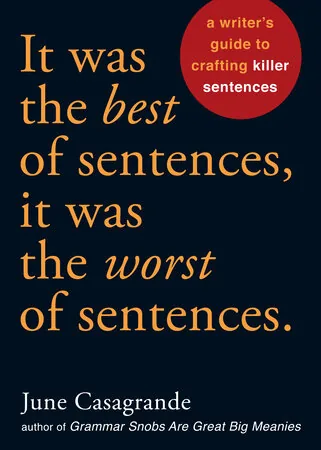
6. It Was the Best of Sentences, It Was the Worst of Sentences
Use June Casagrande’s book when one sentence contains a decision, its exception and its timing. Her examples use grammar and syntax to show what happens inside a sentence. In a change note, try giving the agreed date its own sentence and stating the condition that could move it separately. Fix the underlying decision first if the draft has two incompatible dates.
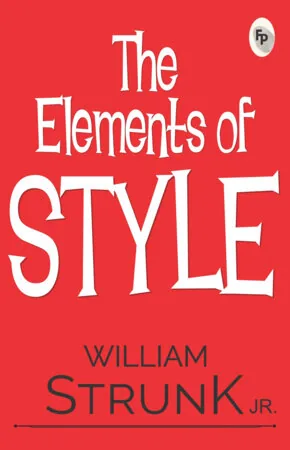
7. The Elements of Style
Use this short guide by William Strunk Jr. when you need to check punctuation or basic construction. In a list of deliverables, check that the punctuation makes clear which words belong to each item. Follow the client’s style guide where it answers the same question, especially if your document will be edited into a larger set.
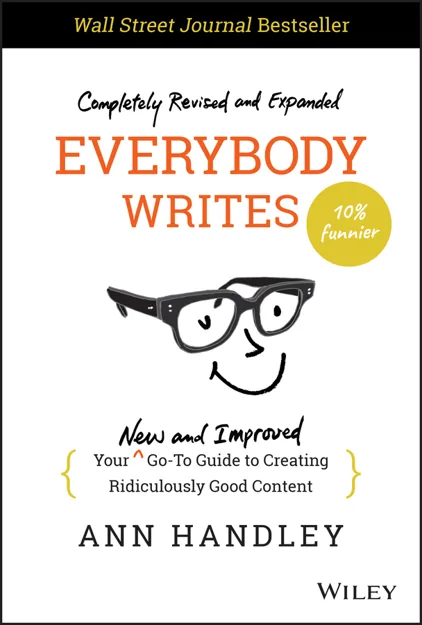
8. Everybody Writes
Use Ann Handley’s book to build a writing routine for recurring client material. A monthly briefing is easier to review when the writer has decided who reads it, what that person needs and what evidence belongs in it. Keep that note beside the draft so the reviewer can judge the material against its purpose. Handley writes for content creators, so pick the parts that apply to the document on your desk.
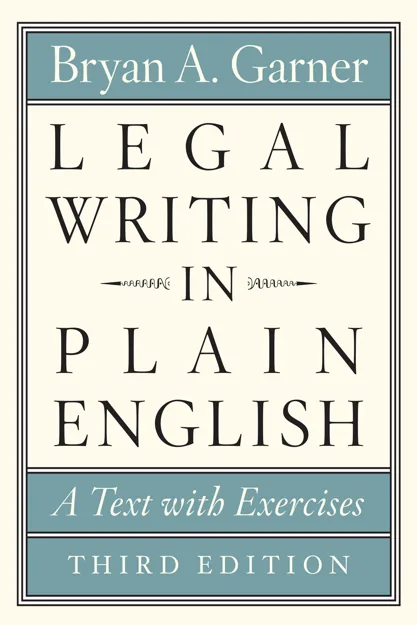
9. Legal Writing in Plain English
Use Garner’s book to clarify a statement of work that hides an obligation in a long paragraph. Try making the responsible party, required action and sequence visible in separate sentences. If rewriting exposes doubt about who approves a change or pays for additional work, resolve the terms with the parties and seek appropriate advice where needed.
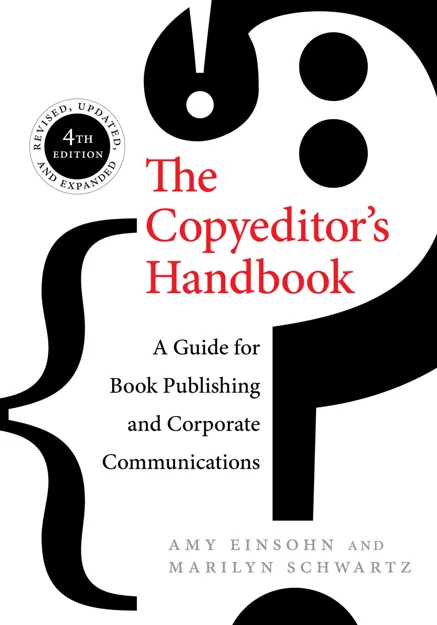
10. The Copyeditor's Handbook
Use Amy Einsohn and Marilyn Schwartz’s handbook when a proposal, scope and handover need consistent terminology. Start a style sheet for product names, abbreviations, defined terms and dates. If two documents use different deadlines, ask which one is correct before making them match.
Sources
- HBR Guide to Better Business Writing
- The Art of Explanation
- Smart Brevity
- Storytelling with Data
- The Sense of Style
- It Was the Best of Sentences, It Was the Worst of Sentences
- The Elements of Style
- Everybody Writes
- Legal Writing in Plain English
- The Copyeditor's Handbook
Sources checked on 25 November 2026.