How I use Codex as my personal Wingman
That knowledge makes the collaboration much more personal and practical.
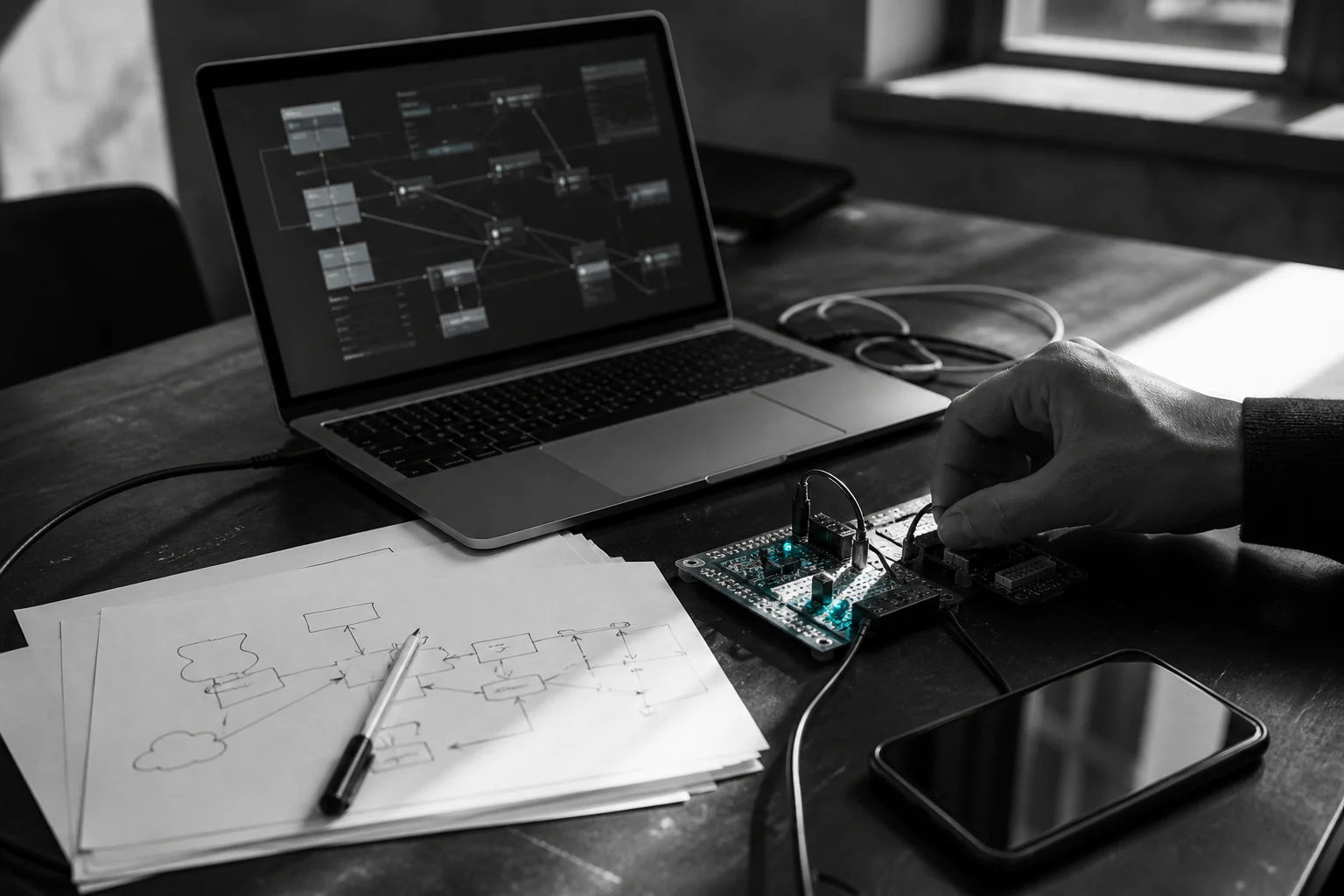
I use Codex as my personal Wingman.
Over time, I have given it access to nearly all the digital history I have been able to collect: old emails, documents, meeting transcripts, LinkedIn activity, notes, plans, decisions, conversations and work I have created over the years.
All of that stays in my own private system. Codex can search it when we are working on something, so I do not have to begin every conversation by explaining my life and career again.
It also knows a lot about how I work.
It knows that I get energy from good conversations, connecting ideas across different fields and seeing possibilities that other people may not see yet. It also knows that I can open more possibilities than I should keep active, that administration drains me and that unfinished follow-up can quietly pile up around otherwise good work.
What we actually do together
I am building a business and a life with more freedom, financial room, ownership and work that feels like mine. My Wingman knows that goal and uses it when we decide what deserves attention.
We work together across the whole thing.
Before a meeting, I can ask it to pull together the history of the relationship, what we have discussed before, what is happening in the company and which questions matter now.
When I am considering an opportunity, it can find the relevant parts of my experience, examine the company, prepare my thinking and help me see where I could create value.
It helps me draft articles, prepare conversations, organise research, keep track of decisions and turn loose ideas into something I can actually review.
After something happens, it can update the plan and prepare the follow-through. If a person has replied, we work from the reply. If an idea is on hold, it should stop treating it as an active project. If I have already sent a message, it should not hand the same draft back to me three days later.
That last part sounds obvious. In practice, it is one of the hardest parts to get right.
We have a division of work
I still take the important human conversations. I use my judgment, intuition and creativity. I decide what I believe, what I want and what I am willing to put my name behind.
My Wingman handles as much of the work around those moments as possible: research, preparation, coordination, documentation and follow-up.
This is useful because the work around a decision often takes much longer than the decision itself. A 45-minute conversation can require hours of preparation and create several new loose ends afterwards. I want to be present for the conversation without becoming the administrator of everything it creates.
Codex is particularly useful for this because it can work directly with my files and systems. It can read and edit documents, run scripts, build software, structure information and check whether something actually happened. With the right access and permissions, it can move from discussing the work to doing much of the work.
It is still a work in progress
My Wingman does not get everything right.
Sometimes it gives too much weight to an old idea. Sometimes it misses a newer decision or brings me something that is technically finished but has not created a real result. Sometimes I have to tell it that a perfectly sensible suggestion simply does not feel like me.
Then we correct it.
The useful part is that the correction can become part of how we work next time. It can update the source material, change the plan and stop repeating the same misunderstanding in every new conversation.
I am building the system while using it. Some parts work remarkably well. Other parts still need a lot of work. The goal is not to pretend that it is a perfect artificial colleague.
I simply want a Wingman that knows me, knows what we are trying to achieve and can help carry the work from an idea or conversation to something real.