10 books on New Thought and related ideas
Weekly lessons, modern metaphysical systems, esoteric reference reading and short essays offer different starting points.

Some of these books give you a course to follow. Others offer short essays or a broad study of spiritual symbols and traditions. The useful starting point depends on whether you want a practice structure, a particular teaching to examine or a wider field to explore.
This selection brings New Thought together with related metaphysical and personal-development reading. Each book has its own assumptions and form. Treat claims about mental cures or guaranteed wealth as beliefs to examine, not outcomes to expect.
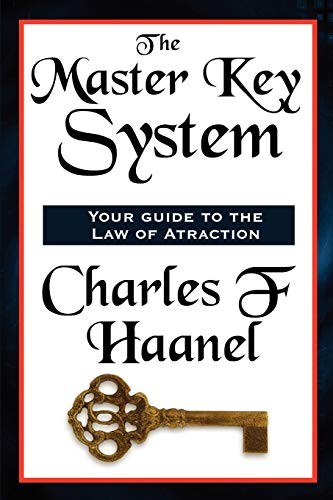
1. The Master Key System, Charles F. Haanel
The Master Key System is a starting point if you want a structured course to work through. Haanel develops his teaching about the creative power of thought across 24 lessons, with study questions and responses. The publisher's excerpt advises studying a single part each week.
That makes it a different reading commitment from Allen's short essays. Allow time to return to a lesson and write your responses. Check that the edition you choose contains all 24 parts and the questions, so you can follow the sequence rather than read isolated selections.
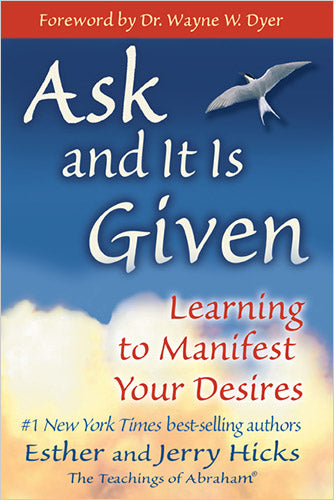
2. Ask and It Is Given, Esther and Jerry Hicks
Ask and It Is Given: Learning to Manifest Your Desires is an entry into the Abraham-Hicks teachings through Esther and Jerry Hicks. Hay House places the book in its New Thought category and describes 22 processes, alongside chapters about emotional reactions and guidance from feelings.
The combination of explanation and processes offers a different route from Haanel's weekly sequence. Start with the book's account of emotions, then choose a process whose purpose you can explain in your own words. Its claims about manifestation belong to the teaching being explored.
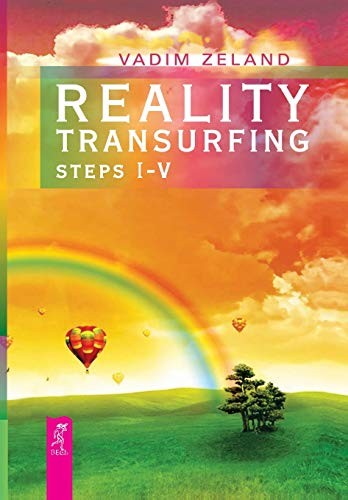
3. Reality Transurfing Steps I-V, Vadim Zeland
Reality Transurfing Steps I-V brings together the five-part sequence of Zeland's system. His author page focuses on freedom of choice, intention and what he calls pendulums. Read it as a distinct metaphysical system with its own vocabulary.
Begin by understanding a term in Zeland's framework before translating it into ordinary language. For example, identify what he means by a pendulum and what response the teaching asks of the reader. That gives you a concrete question to carry through the sequence.
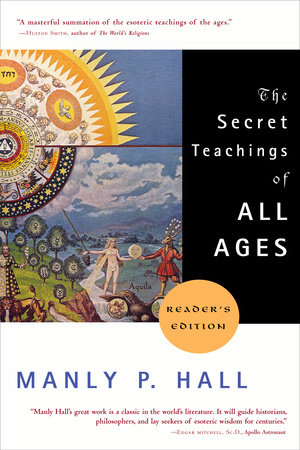
4. The Secret Teachings of All Ages, Manly P. Hall
The Secret Teachings of All Ages takes you into broader esoteric and philosophical reading. The publisher describes an encyclopedic work on mythology, ritual and symbolism, with entries spanning religion and philosophy. It is a reference work to explore by subject, with a different form from a weekly course.
Choose a symbol or tradition that interests you and follow that entry. The 2003 reader's edition runs to 768 pages, so you can give a subject sustained attention without treating the whole volume as a programme to complete. When a historical claim matters to you, follow it into specialised historical sources as well.
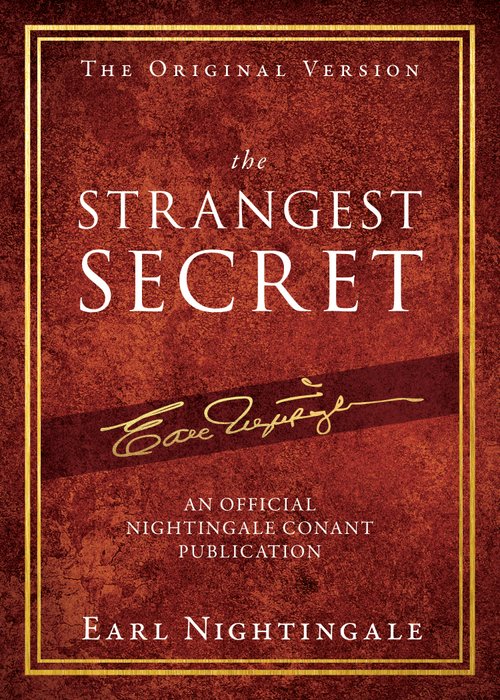
5. The Strangest Secret, Earl Nightingale
The Strangest Secret centres on thought, purpose and work. Sound Wisdom's print edition includes a thirty-day exercise. It offers a focused choice if you want to consider the relationship between what occupies your attention and the goal you are working towards.
Nightingale's work began as a spoken recording; the cover here is a later paperback edition. Choose the format that lets you return to the argument, and keep your own purpose in view while examining the author's claims about achievement.
6. As a Man Thinketh, James Allen
As a Man Thinketh is a compact starting point if your interest is thought and character. Allen moves through circumstances, purpose, achievement, ideals and serenity in a sequence of short essays. You can follow that sequence without first learning the vocabulary of a religious course.
The chapter on purpose gives you a specific place to begin. As you read, separate the attention you give a goal from the circumstances you can influence through action. Allen makes strong claims about thought shaping a person's life; examining the reach of those claims is part of reading him.
7. The Game of Life and How to Play It, Florence Scovel Shinn
The Game of Life and How to Play It approaches its subject through religious interpretation, stories and affirmations. Shinn writes about the words people use, intuition, forgiveness and nonresistance. The prose gives you a different reading experience from Allen's essay sequence.
Choose this if you want to examine the relationship between language and belief in Shinn's teaching. Notice when a passage offers an interpretation of an event and when it claims that a thought or phrase caused the event.
8. In Tune with the Infinite, Ralph Waldo Trine
In Tune with the Infinite takes a spiritual approach to inward life and a person's relationship with the divine. Trine's discussion connects thought, religious understanding and how a person lives. It is a possible next choice if the spiritual premise itself interests you.
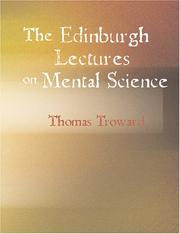
9. The Edinburgh Lectures on Mental Science, Thomas Troward
The Edinburgh Lectures on Mental Science gives you a more systematic argument. Troward works through ideas about spirit and matter, the subjective and objective mind, and the relationship between causes and conditions. The lecture structure suits a reader who wants to follow definitions and the conclusions built from them.
Read slowly enough to identify each premise before accepting the next step. The word science in the title belongs to Troward's presentation of metaphysics. A coherent argument still depends on whether you accept its starting assumptions.
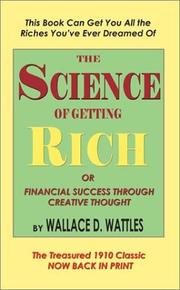
10. The Science of Getting Rich, Wallace D. Wattles
The Science of Getting Rich is the prosperity-focused choice in this part of the list. Wattles includes chapters on gratitude, the will, action and business. The original 1910 text makes the relationship between his metaphysical beliefs and his instructions explicit.
It is useful reading if you want to understand this account of prosperity on its own terms. Pay particular attention to the place he gives action, then examine the certainty of the wealth claims separately. The title and the author's confidence do not establish a reliable financial method.
Choose the kind of reading you want to work with
A weekly course such as Haanel's asks for a different commitment from Hall's reference work. Hicks gives you processes to examine, while Zeland asks you to learn his conceptual system. If you want a shorter starting point about thought and purpose, consider Nightingale or Allen before moving into a larger book.
Keep notes on the author's claim, the reason given for it and your own response. The covers illustrate print editions; use the linked descriptions and edition details to check what you will actually read.
If the reading brings up a concrete choice about your own business or working life, my coaching for business owners and self-employed people is a place to work through your situation. Sessions are available online in English or Danish.
Sources
- The Master Key System by Charles F. Haanel
- Ask and It Is Given: Learning to Manifest Your Desires by Esther and Jerry Hicks
- Reality Transurfing Steps I-V by Vadim Zeland
- The Secret Teachings of All Ages by Manly P. Hall
- The Strangest Secret by Earl Nightingale
- As a Man Thinketh by James Allen
- The Game of Life and How to Play It by Florence Scovel Shinn
- In Tune with the Infinite by Ralph Waldo Trine
- The Edinburgh Lectures on Mental Science by Thomas Troward
- The Science of Getting Rich by Wallace D. Wattles
Sources checked on 15 October 2026.