10 sales books for complex B2B deals
A reading shortlist for enterprise sellers, Sales Engineers and the leaders coaching them.

A deal can get stuck at several different points. You may still be discovering why the customer wants to change, trying to understand who will move the decision internally, or helping an interested buyer work through uncertainty. Those situations call for different reading.
These ten books cover different parts of complex B2B selling. The selection uses the authors’ and publishers’ descriptions to match each book to a practical question. The numbered order moves through those questions; it is not a ranking of every sales book. Start with the problem you are working on.
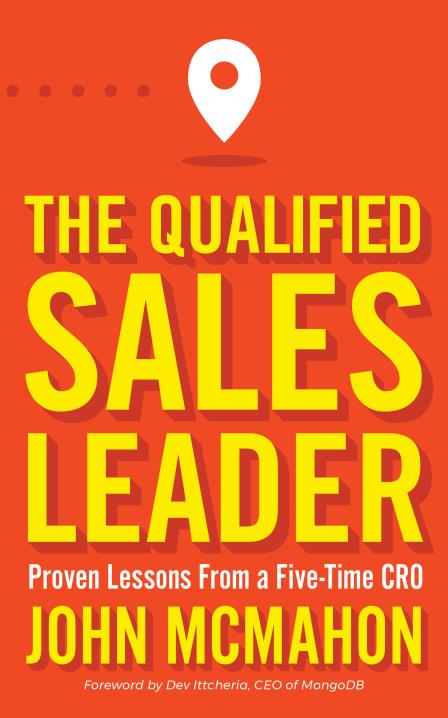
1. The Qualified Sales Leader, John McMahon
The Qualified Sales Leader connects enterprise software selling with the work of managing and coaching a sales team. The book listing highlights account complexity, executive buyers and the difficulty of finding a champion. That makes it a useful starting point when a manager and seller need a better conversation about what is actually happening in an opportunity.
Choose this when deal reviews keep returning to activity and projected dates while the team still cannot explain the customer’s decision. Take a live opportunity into the reading and note which assumptions need checking with the customer. The leadership perspective also makes it relevant to managers deciding how to coach different account situations.
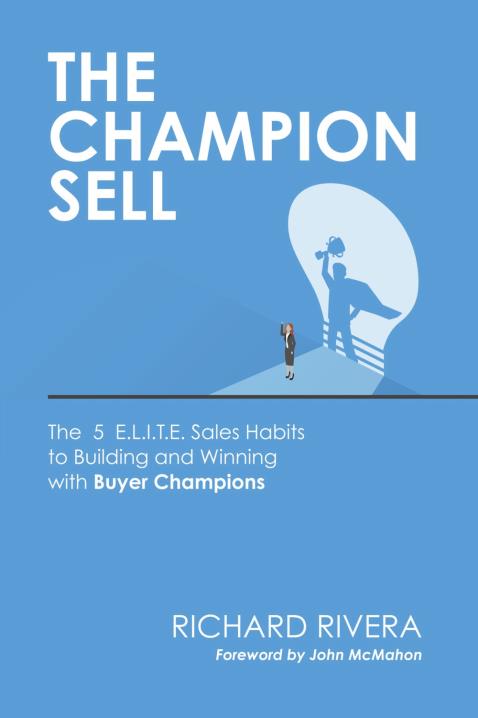
2. The Champion Sell, Richard Rivera
The Champion Sell puts the internal buyer champion at the centre of the enterprise sale. Rivera’s work focuses on complex deals and the people who help a change happen inside the buying organisation. It belongs beside McMahon because a positive relationship and an ability to move a buying decision are different things to investigate.
Pick it when your contact is engaged but the next step depends on conversations you cannot attend. A useful question to take into the book is what that person would need to explain to colleagues, and what evidence you have that they want and can take that responsibility.
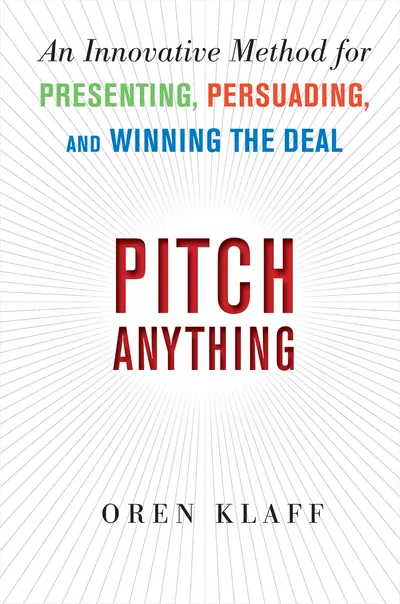
3. Pitch Anything, Oren Klaff
Pitch Anything focuses on framing, storytelling and getting a decision in a pitch. Klaff’s STRONG method gives the presentation itself a structure. This is a different part of the work from discovering a problem or understanding how a buying group operates.
Use this selection when you have a reason for the meeting and need to decide how to present it. Examine whether the way you frame the conversation helps the buyer understand the decision in front of them. Keep checking your account evidence: a persuasive presentation cannot establish needs you have not investigated.
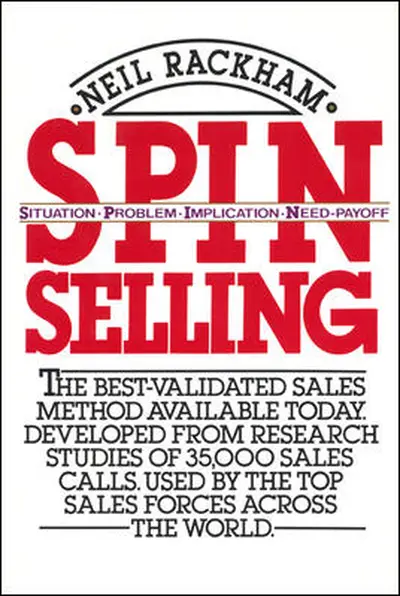
4. SPIN Selling, Neil Rackham
SPIN Selling organises questioning around Situation, Problem, Implication and Need-payoff. McGraw Hill positions it around major sales and high-value products and services. It gives discovery a more specific purpose than collecting background information.
Start here when conversations produce a description of the customer’s situation but little understanding of why anything should change. Prepare a question about the consequences of a problem the customer has already described. Listen to the answer before deciding which further question would help. The framework is a prompt for attention, not a script to finish regardless of the reply.

5. Let’s Get Real or Let’s Not Play, Mahan Khalsa and Randy Illig
Let’s Get Real or Let’s Not Play centres the buyer’s outcomes and an honest exploration of their needs. FranklinCovey’s description includes mutual problem exploration, attending to concerns and planning a meeting so that it supports a decision.
Choose it when you notice yourself completing the customer’s explanation or preparing a solution before you have understood the problem. You can use a recent conversation to examine where you guessed and where you checked. It is also a useful companion to books on pitching because it brings attention back to the conversation you are having with the buyer.

6. The Challenger Sale, Matthew Dixon and Brent Adamson
The Challenger Sale describes teaching customers something useful about their business, tailoring the message and being willing to push back. Its publisher places the approach in complex B2B selling. The relevance here is the work of developing an insight worth discussing with a particular customer.
Pick this when your team knows the product well but struggles to explain why the customer should reconsider their current approach. Before taking a challenge into a meeting, examine the evidence behind it and who it matters to. A confident statement that does not fit the account gives the buyer more work to do.
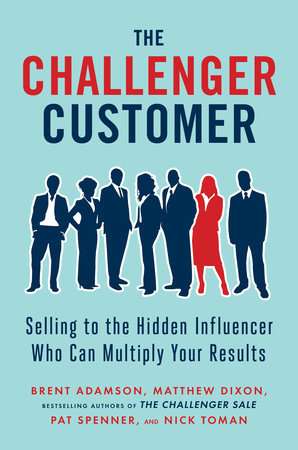
7. The Challenger Customer, Brent Adamson, Matthew Dixon, Pat Spenner and Nick Toman
The Challenger Customer turns towards the buying group and the difficulty of creating internal agreement. Its focus on Mobilizers is relevant when someone must help colleagues work through a change. It complements the champion question by looking at the wider organisation in which that person acts.
Start here when several people agree individually that a proposal is interesting but the group cannot move forward together. Map the disagreement you actually know about, including whose explanation it is. Then use the reading to identify what you need to learn about how that group reaches a decision.
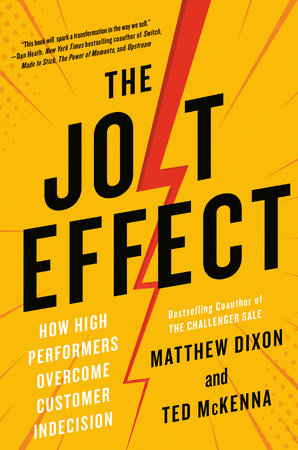
8. The JOLT Effect, Matthew Dixon and Ted McKenna
The JOLT Effect addresses customer indecision after purchase intent has formed. The publisher’s description emphasises a buyer’s fear of getting the decision wrong. It offers a useful lens for opportunities that keep slipping even though the customer has expressed an intention to buy.
Consider it when you have evidence of intent and need to understand what is preventing commitment. First distinguish that from an opportunity in which you have never established a reason to act. More follow-up will not tell you which situation you are in; a conversation about the outstanding decision may.

9. Dealstorming, Tim Sanders
Dealstorming treats difficult B2B opportunities as a collaborative problem for the people who have a stake in them. Sanders describes a structured process for bringing disciplines together and working through a sales deadlock. This gives the internal account team a place in the reading list.
Choose it when repeating the same account discussion is producing the same next step. Decide which specific obstacle needs the attention of people outside the usual sales conversation. A technical concern, a delivery constraint and a commercial condition may require different contributors. Bring them a question they can investigate together.
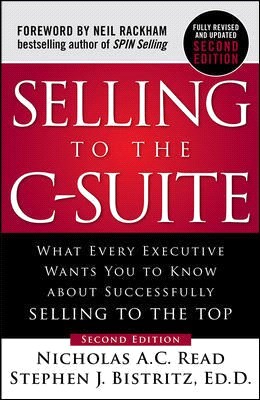
10. Selling to the C-Suite, Nicholas A. C. Read and Stephen J. Bistritz
The second edition of Selling to the C-Suite examines executive involvement, access, credibility and value. Its contents include both executive relationships and client discovery. It is relevant when your opportunity needs a conversation with a senior decision-maker and you need to understand why that person would take part.
Pick it when an executive meeting is being treated as a milestone without a clear purpose. Write down the decision the executive is involved in and what you can responsibly contribute to it. That gives you something concrete to assess as you read about access and executive value.
Choose the book for the work in front of you
For discovery, begin with SPIN Selling or Let’s Get Real or Let’s Not Play. For an internal champion or a divided buying group, consider The Champion Sell and The Challenger Customer. If the buyer has formed an intention but keeps delaying the decision, The JOLT Effect addresses that situation. McMahon’s book gives a sales leader a broader starting point for coaching the team through opportunities.
Choose a live deal, identify the question you cannot yet answer and read towards that question. Afterwards, decide what you need to ask, observe or change. Buying another book and applying a useful idea to customer work are separate steps.
If your team needs help bringing discovery, qualification and the customer’s decision together in its own opportunities, my opportunity qualification work includes training and deal reviews using your team’s live opportunities.
Sources
- The Qualified Sales Leader by John McMahon
- The Champion Sell by Richard Rivera
- Pitch Anything by Oren Klaff
- SPIN Selling by Neil Rackham
- Let’s Get Real or Let’s Not Play by Mahan Khalsa and Randy Illig
- The Challenger Sale by Matthew Dixon and Brent Adamson
- The Challenger Customer by Brent Adamson, Matthew Dixon, Pat Spenner, and Nick Toman
- The JOLT Effect by Matthew Dixon and Ted McKenna
- Dealstorming by Tim Sanders
- Selling to the C-Suite, Second Edition by Nicholas A. C. Read and Stephen J. Bistritz
Sources checked on 15 October 2026.