10 service design books for small businesses
Follow the customer’s path from the first request to the finished work.

Start with Good Services if customers can’t tell what to do next. Use Service Design if a handoff fails because nobody can see the work behind it, or Bad Services if the same failure keeps coming back after you fix it.
The books below each help with a different decision about how a service works. Pick one service you already deliver and follow it from the customer’s first step to the finished work. If the difficulty is deciding which parts can be repeated, start with turning custom work into a repeatable service. Business coaching can help when changing the service also means deciding which work you want to keep doing.
1. Good Services
Use Lou Downe’s principles to check whether a customer can work out how to use your service. Give someone the booking instructions you actually send and ask them to show where they would start, what they need to bring and what they expect next. A clear first step helps people enter the service. You still need to see what happens after they arrive.
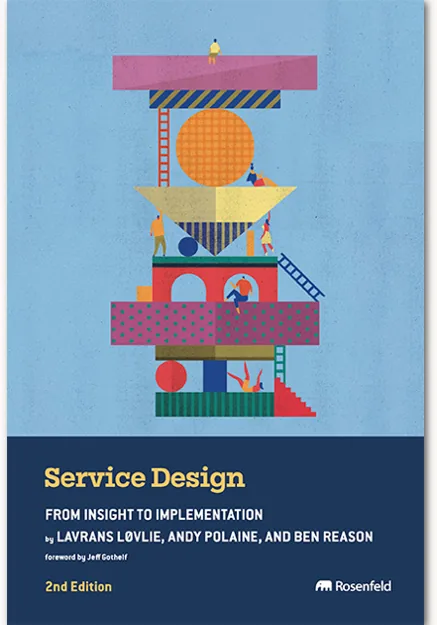
2. Service Design
Use Andy Polaine, Lavrans Løvlie and Ben Reason’s book when work gets lost between the people who take a request and those who deliver it. The authors updated the book’s material on service blueprinting for the second edition. Put one recent handoff on a page, with the customer’s visible steps above the staff tasks that support them. Check the sketch with the people on each side of the handoff. A neat diagram can still miss the informal messages people rely on to get the work done.
3. Bad Services
Use Lou Downe’s second book on this list when a repair at the point of failure hasn’t stopped the problem recurring. If staff keep correcting the same missing information, look at the earlier form, instruction or decision that lets the same omission through. Change a part of the service that could prevent the error, then see whether it recurs. Check more than a single complaint before deciding where the cause sits.
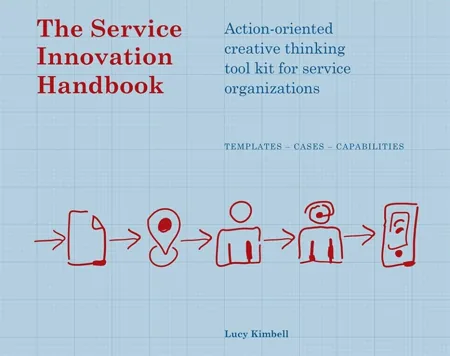
4. The Service Innovation Handbook
Use Lucy Kimbell’s handbook to organize a short service improvement project. Give the team a specific starting point, such as customers regularly forgetting a document they need to bring. Bring a few examples with customer identifiers removed. Agree what to include on a checklist and try sending it with the next set of instructions. A workshop is useful when it leaves someone able to try a change during delivery.

5. Thinking in Services
Use Majid Iqbal’s book when a change in the offer would change what the business must be able to do. Promising a faster turnaround might require a different way of reserving staff time or a cut-off for accepting inputs. Describe the promise and what would have to be true on an ordinary busy day. A change to the offer needs a delivery model that can sustain it.
6. This Is Human Centered Design
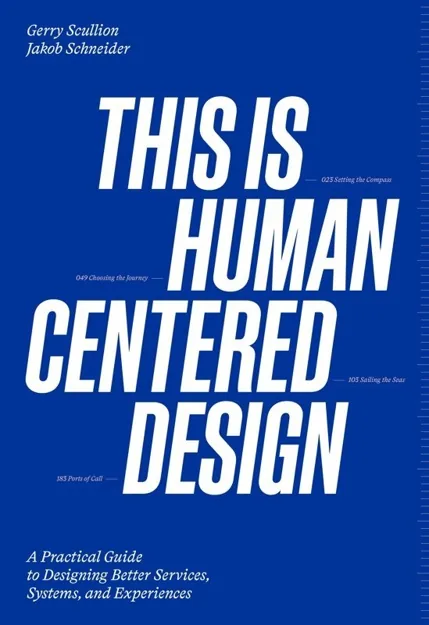
Use Gerry Scullion and Jakob Schneider’s book when the process works on paper but feels uncertain to the person using it. A customer waiting for an update may be trying to decide whether to rearrange their own work. Ask what they understand at that moment and what they still need to know. Treat reassurance as one part of the service and check that the new message reflects what staff can actually deliver.
7. This Is Service Design Thinking
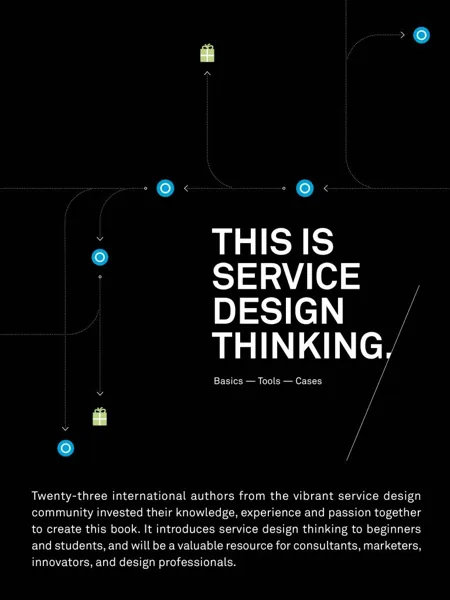
Use the collection edited by Marc Stickdorn and Jakob Schneider to choose a method for the problem you can observe. If staff and customers describe a step differently, sketch the journey from each point of view before proposing a fix. The book offers multiple tools and cases. Use the method that answers your question without mapping the entire service by default.
8. Design Journeys Through Complex Systems
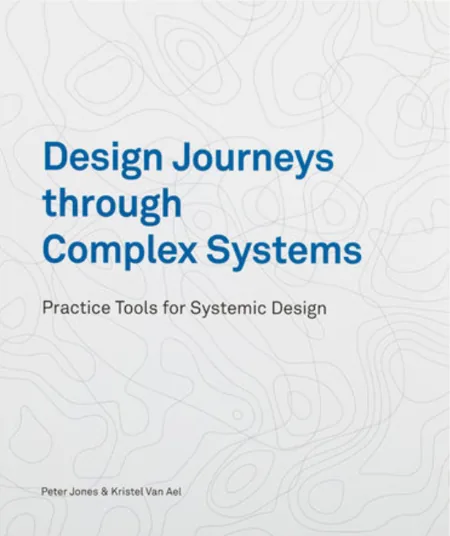
Use Peter Jones and Kristel van Ael’s handbook when no single team controls the delay. If a partner, an approval rule and a shared schedule all affect when work starts, sketch how those dependencies interact. Ask which one a team can change and which one needs agreement across organisations. Keep the map bounded to the decision you have to make.
9. The Art of Co-Design
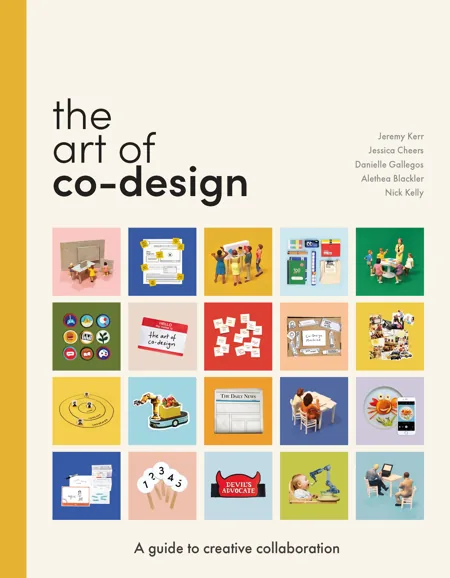
Use this book when customers or delivery staff need a role in designing the change. Give them a specific piece of the service to work on, such as what an intake form asks before a first appointment. Agree which decisions participants can influence and what will happen to their suggestions. A joint session helps you hear competing needs. Test the proposal with people who were outside the room too.
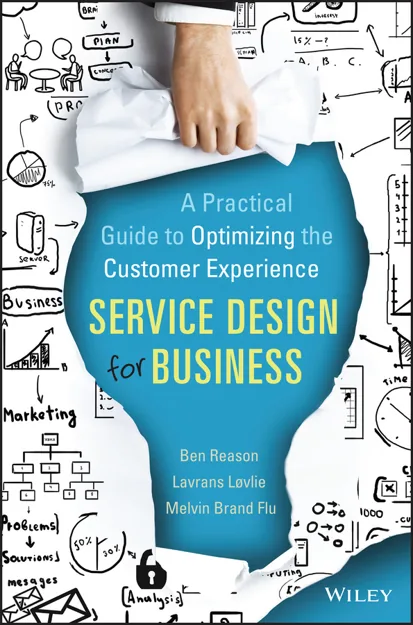
10. Service Design for Business
Use Ben Reason, Lavrans Løvlie and Melvin Brand Flu’s book to connect a service change to the cost and work of running it. Before extending a revised intake process to everyone, try it with one team. Compare what staff spend time correcting and how often customers need to contact you again. If the work simply moves from the front desk to another team, include that cost before deciding whether to expand.
Sources
- Good Services
- Service Design
- Bad Services
- The Service Innovation Handbook
- Thinking in Services
- This Is Human Centered Design
- This Is Service Design Thinking
- Design Journeys Through Complex Systems
- The Art of Co-Design
- Service Design for Business
Sources checked on 25 November 2026.