10 positioning books for B2B teams
Choose a book for the positioning decision your B2B team needs to make.

Choose a positioning book for the decision your team is stuck on. Start with Obviously Awesome when buyers compare you with the wrong alternatives, Crossing the Chasm when you need to choose a first segment, or Sales Pitch when sales needs to explain a position the team has already agreed.
These books cover different steps from understanding a buyer’s choice to explaining it. Each earns its place by helping with a decision that a B2B team can check against real buyer conversations. Some were written for a broader audience. Use the exercise that fits the decision in front of you.
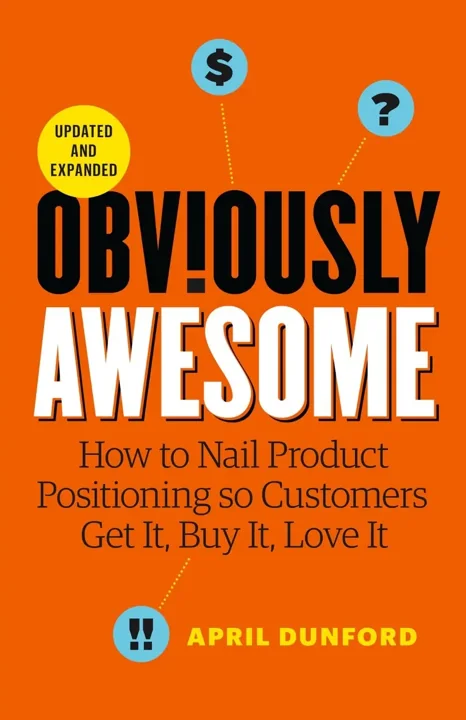
1. Obviously Awesome
April Dunford’s book helps you identify what buyers would use if they did not choose your product. Use it when a competitor list names other vendors but leaves out the spreadsheet, internal workaround or decision to do nothing. Put those options next to the advantages that matter to your best-fit buyers. Check the list against recent decisions before rewriting the pitch. Publisher page
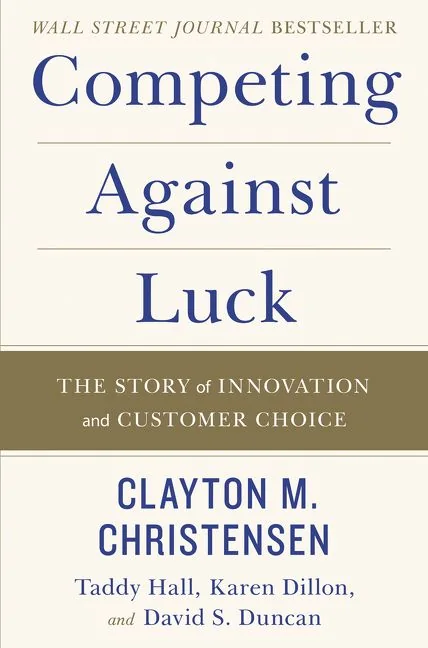
2. Competing Against Luck
This book is for understanding what someone was trying to get done when they switched. Clayton Christensen, Taddy Hall, Karen Dillon and David Duncan frame this as the job a customer hires a product to do. Compare the situations that led two buyers to buy the same product. They may have faced different pressures. Use their accounts of the decision to test the job you have described. Christensen Institute
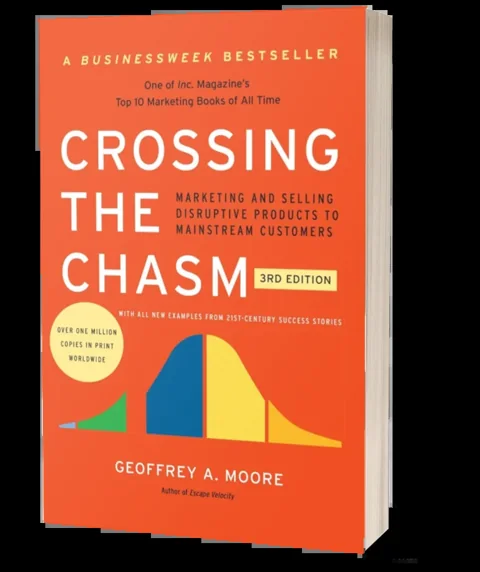
3. Crossing the Chasm
Geoffrey Moore’s book helps a technology company choose an initial market segment beyond its earliest adopters. Use it when the first customers will tolerate gaps that the next group expects you to fill. List what a buyer in one segment needs to put the product to work, including support or integration. If those needs differ across segments, check which group you can serve well before broadening the pitch. Book site
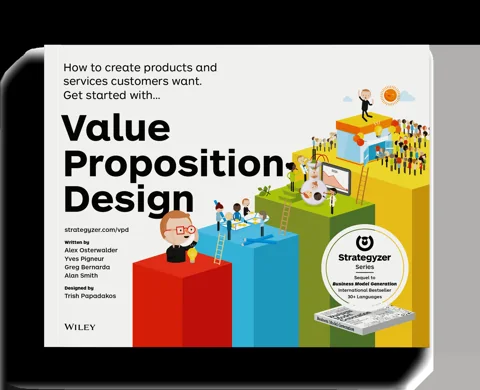
4. Value Proposition Design
Alexander Osterwalder, Yves Pigneur, Greg Bernarda and Alan Smith offer a canvas for matching what you sell to buyers’ jobs, pains and gains. Use it to see which buyer outcome each product claim serves. If the team cannot explain which outcome matters, mark that claim for a customer conversation. A completed canvas shows the team’s reasoning and gives you something to test. Strategyzer book page
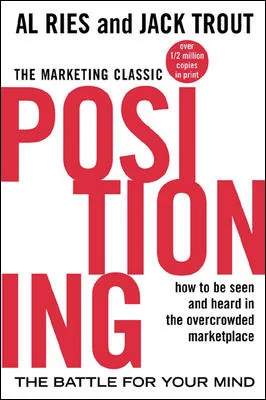
5. Positioning
Al Ries and Jack Trout’s book helps you think about the place an offer occupies in a buyer’s mind. Use it when buyers can describe your product but put it in a category where its strengths sound incidental. Listen for the comparison they make before changing the category name. The advertising examples belong to their time. Your buyer conversations tell you whether the comparison applies. Publisher catalogue
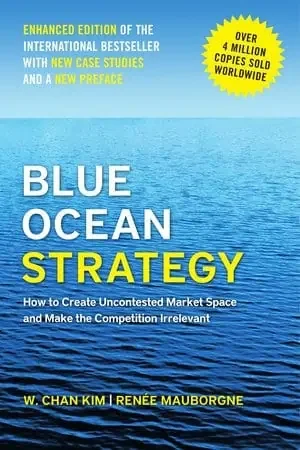
6. Blue Ocean Strategy
W. Chan Kim and Renée Mauborgne’s book helps you decide which factors your offer should compete on. Put the current options beside one another on the factors buyers compare, then discuss what you could reduce as well as what you might add. This can expose an expensive feature your team has been assuming buyers need. Check the proposed change with buyers before dropping it. Authors’ book page

7. Play Bigger
Al Ramadan, Dave Peterson, Christopher Lochhead and Kevin Maney’s book is for teams considering a new category. Use it when the buyer problem is poorly explained by the categories already in use. Write down the recurring problem buyers would recognize without seeing your product first. If the new term takes longer to explain than the problem, you have a reason to test it before committing to it. Publisher page

8. B2B Brand Management
Philip Kotler and Waldemar Pfoertsch’s book puts brand management in an industrial and business-to-business context. Use it when sales, partners and service teams describe the company’s value in ways that are difficult to reconcile. Look for a promise all three can explain and support with the work they do. This is a broader brand decision than positioning one product in one sales conversation. Springer book page
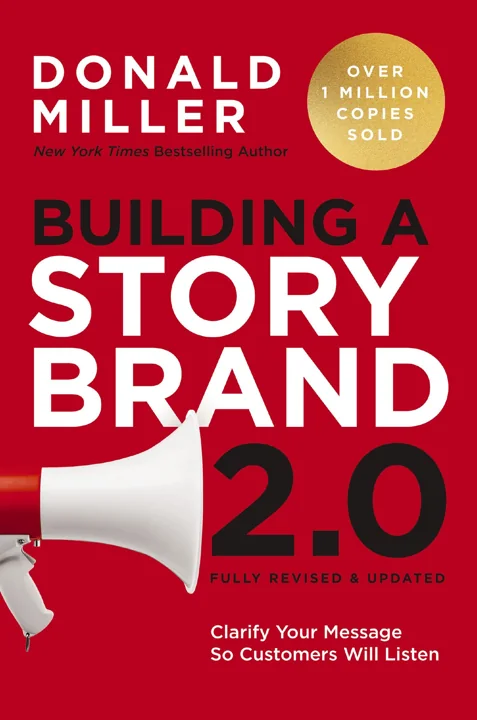
9. Building a StoryBrand 2.0
Donald Miller’s book helps you put a chosen position into language that a reader can follow. Try it on a page that introduces the company long before explaining the customer’s problem or the next step. The storytelling structure can help you edit the message. Give it a clear buyer, problem and alternative from your positioning work first. Publisher page
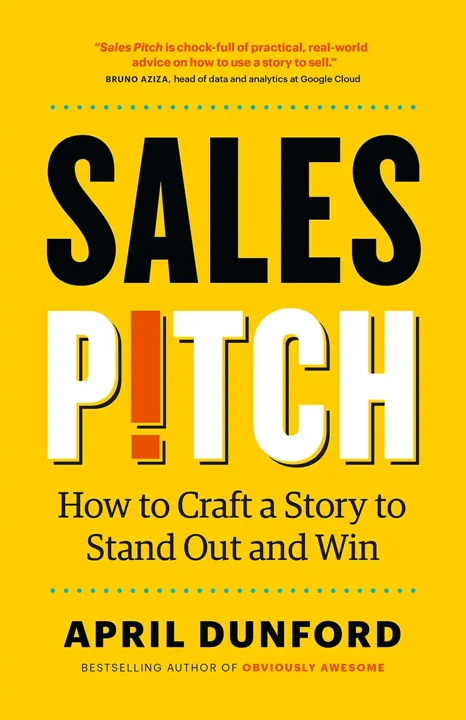
10. Sales Pitch
April Dunford’s book helps you carry agreed positioning into a sales conversation. Use it when a demo shows what the product does but the buyer is left to work out why it fits their situation. Rehearse how the conversation introduces the choices open to that buyer and when to demonstrate the differences. In a live deal, qualify the opportunity to see whether the customer recognizes the choice you are describing. Publisher page
Sources
- Obviously Awesome
- Competing Against Luck
- Crossing the Chasm
- Value Proposition Design
- Positioning
- Blue Ocean Strategy
- Play Bigger
- B2B Brand Management
- Building a StoryBrand 2.0
- Sales Pitch
Sources checked on 22 November 2026.