10 books for difficult conversations at work
Choose a book for the conversation you need to have.

Difficult Conversations and Crucial Conversations address a tense discussion you need to have; Thanks for the Feedback starts with receiving criticism, while Radical Candor focuses on a manager's feedback relationships. Humble Inquiry and You’re Not Listening are useful when the missing part is hearing the other person. Choose the book for the conversation you face, rather than treating every disagreement as a persuasion problem.
These ten books were selected for distinct approaches to work conversations, using their publishers' or authors' descriptions. The examples below suggest ways to use those approaches; they are not reports of personal reading, client results or a ranking. A book can help you prepare, but it cannot give you another person's agreement or replace the appropriate process for a serious workplace complaint.
1. Difficult Conversations
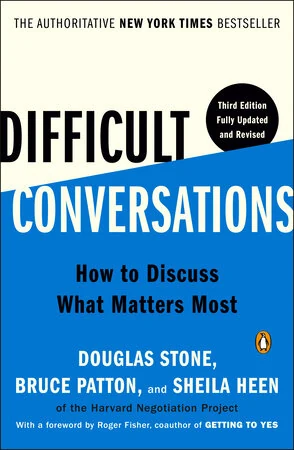
Difficult Conversations is for preparing a discussion you have been avoiding. Douglas Stone, Bruce Patton and Sheila Heen examine the structure of difficult conversations, listening and the move towards problem solving.
For a hypothetical business owner unhappy with a collaborator's handover, preparation could start with what happened and what still needs explaining. Write down the specific missing information before deciding why the other person left it out. This is preparation for a conversation, not proof of their intention. Choose it for the disagreement itself rather than for a system of regular manager feedback.
2. Thanks for the Feedback
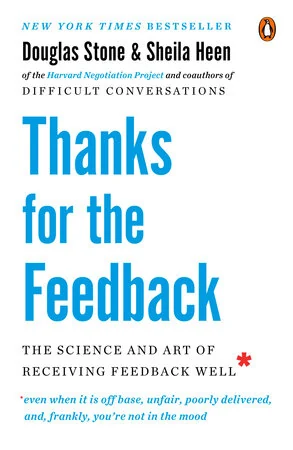
Thanks for the Feedback is for being on the receiving end of criticism. Douglas Stone and Sheila Heen focus on receiving feedback, including comments that are badly delivered or hard to accept.
In the handover example, the collaborator may say the owner's instructions were unclear. Before defending the brief, ask which instruction they understood differently and what happened next. Understanding the comment does not require agreeing with every part of it. This book addresses receiving feedback; it does not establish whether a particular criticism is accurate.
3. Crucial Conversations
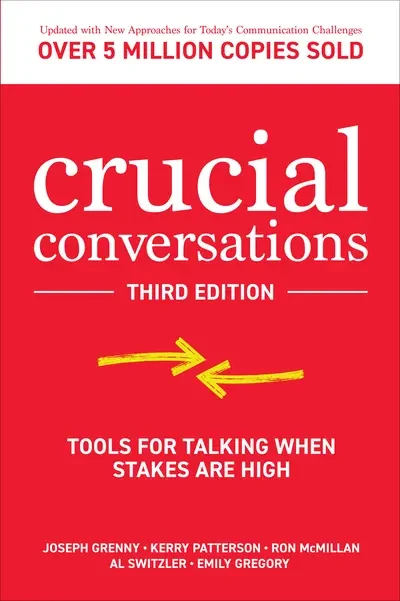
Crucial Conversations is for discussions where stakes are high, opinions differ and emotions run strongly. The third edition, by Joseph Grenny, Kerry Patterson, Ron McMillan, Al Switzler and Emily Gregory, also addresses responding when someone else starts the conversation and communicating digitally.
Choose it when a decision matters enough that avoiding the discussion has become a decision of its own. Name the issue you need to discuss and the outcome you hope to understand together. A communication method cannot remove a real conflict of interests or guarantee a comfortable response.
4. Fierce Conversations
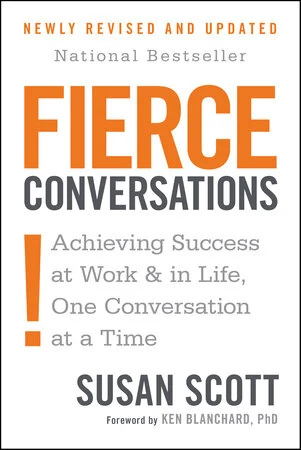
Fierce Conversations is for working on the conversations you repeatedly leave unfinished. Susan Scott's guide includes a workbook and exercises on clarity, barriers to communication and strong emotions.
It offers a practice-oriented route if reading an explanation is not getting you to the actual conversation. The hypothetical owner could prepare the handover discussion, have it, then record what was agreed and what remained open. That is a proposed application, not a promise that one conversation will repair the relationship. Its scope includes work and personal life, so select the exercises for the situation at hand.
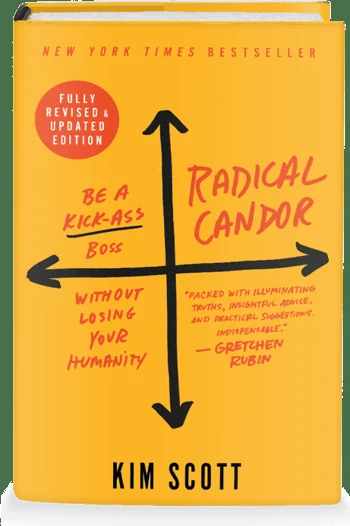
5. Radical Candor
Radical Candor is for managers working on how they give and receive feedback. Kim Scott's approach combines caring personally with challenging directly, rather than treating bluntness as a leadership virtue.
For an owner with employees, that makes it relevant to an ongoing working relationship, not just a single confrontation. Ask whether the person has heard a specific concern and had room to respond. The manager still holds power over the employee; calling a comment candid does not make it fair or useful. A collaborator who is not your employee also calls for a different relationship than the boss context of the book.
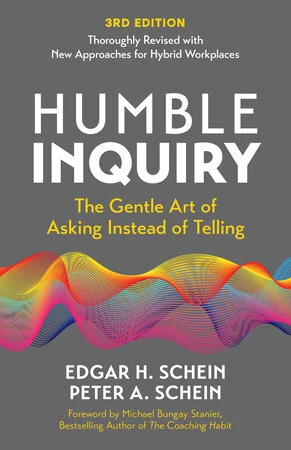
6. Humble Inquiry
Humble Inquiry is for asking questions when you are tempted to supply the answer yourself. Edgar H. Schein and Peter A. Schein's third edition describes curiosity about answers you genuinely do not know and considers the effect of hierarchy.
In the handover example, ask what prevented completion before proposing your preferred fix. An invitation to explain is different from a question designed to secure agreement. This approach asks something of the listener as well: the answer might change the problem you thought you were discussing. It is not a substitute for stating a decision that has already been made.
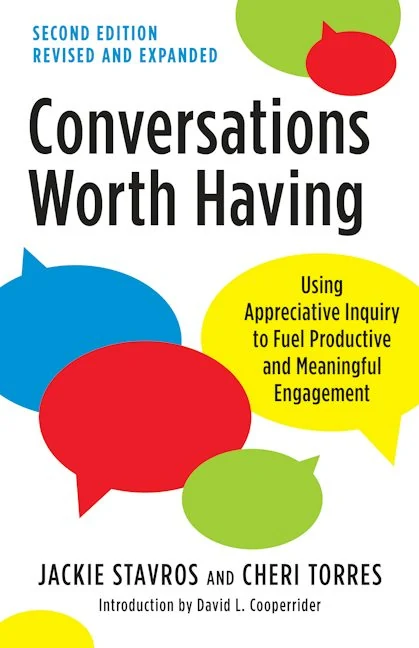
7. Conversations Worth Having
Conversations Worth Having is for opening up a discussion that has narrowed to criticism. Jackie Stavros and Cheri Torres use Appreciative Inquiry, including questions about what is working and what people want to make possible.
If a team can only list what went wrong with a handover, ask for an example that did work and what was different about it. That may give the team something concrete to examine. The aim is not to make an uncomfortable fact disappear: a positive framing still needs to leave the actual failure and its consequences visible.
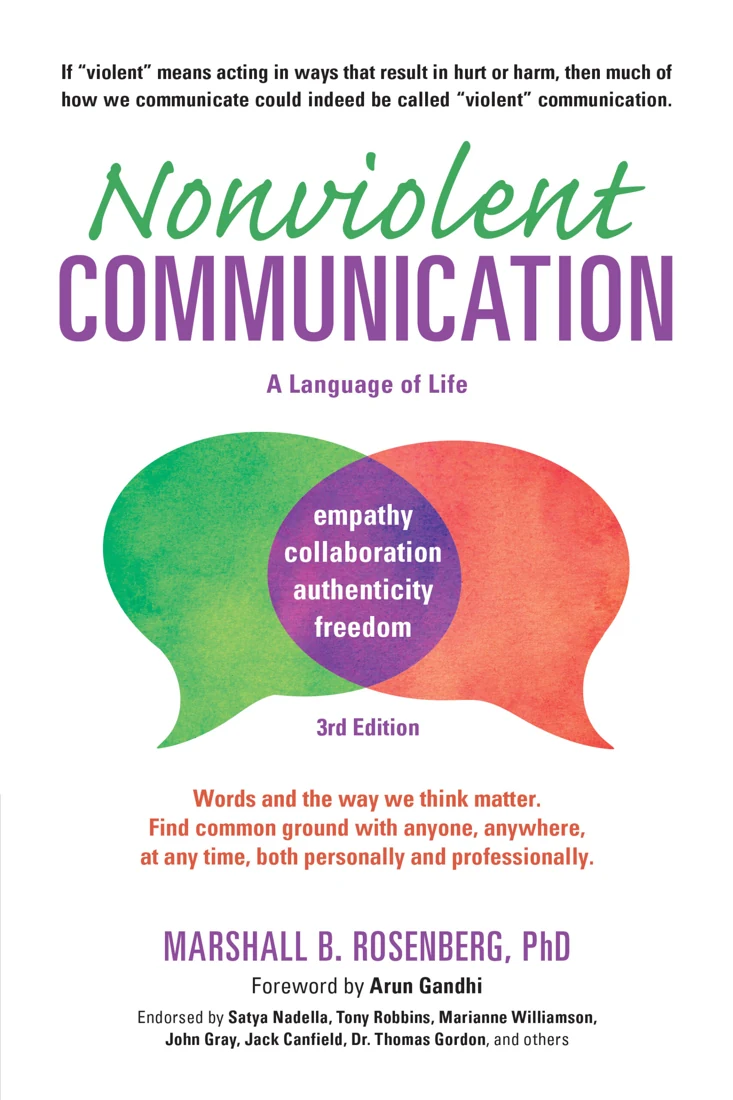
8. Nonviolent Communication
Nonviolent Communication is for expressing what you need while listening to a person who disagrees. Marshall B. Rosenberg's book introduces the NVC process through stories, examples and role-plays.
For the hypothetical owner, a useful preparation task is to separate the request for missing handover information from a judgment about the collaborator's character. Say what is needed for the next piece of work and leave room for an answer. This is a communication approach, not a way to make another person comply, and its language need not become a script imposed on them.
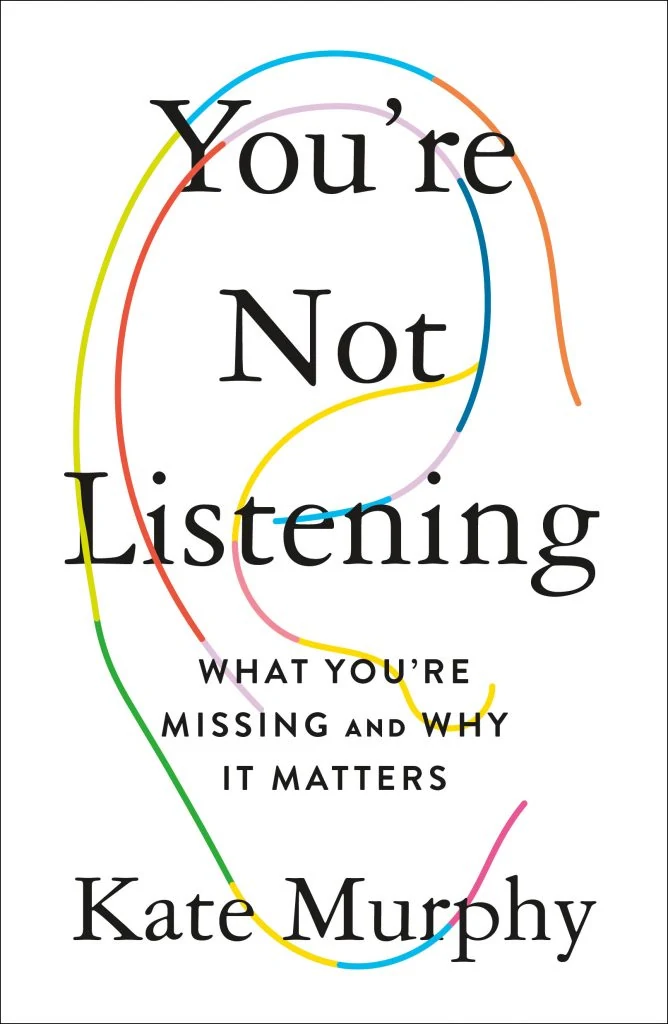
9. You’re Not Listening
You’re Not Listening is for examining your part in a conversation you think you already understand. Kate Murphy explores listening through reporting, research and examples from people whose work depends on it.
Choose it when your preparation consists mainly of planning what to say next. In the handover discussion, try summarising the other person's account and asking what you have missed before offering a solution. That is a practical use of the listening focus, not a test the other person has to pass. The book is broader than a workplace conversation manual.
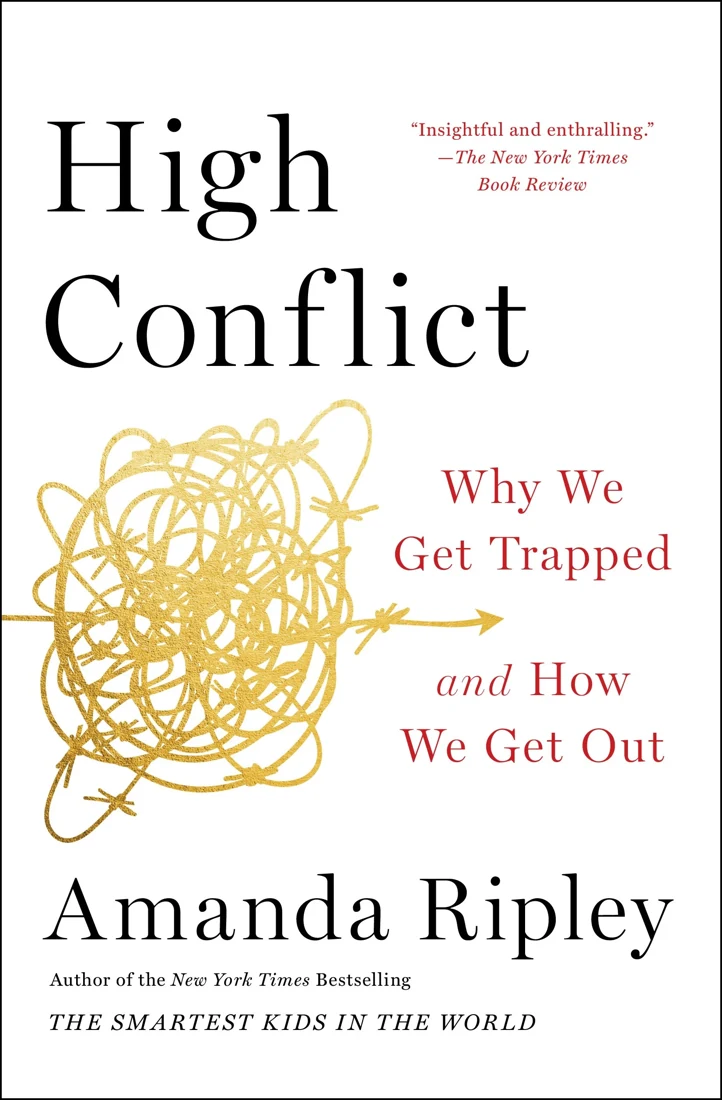
10. High Conflict
High Conflict is for understanding how a disagreement can turn into a destructive feud. Amanda Ripley follows people caught in conflicts and examines routes towards a more useful kind of disagreement.
It offers a wider perspective when the argument seems to continue regardless of the immediate issue. Use that perspective to question the pattern, rather than diagnosing a colleague or labelling ordinary dissent as destructive. A serious dispute may need an appropriate independent process; reading about conflict does not qualify the reader to mediate it.
For a business decision tangled up with a working relationship, business coaching can help you examine what you want to change and what you can actually do next. If the conversation is about the terms of a deal, books on complex B2B negotiation address that different task.
Sources
- Difficult Conversations
- Thanks for the Feedback
- Crucial Conversations
- Fierce Conversations
- Radical Candor
- Humble Inquiry
- Conversations Worth Having
- Nonviolent Communication
- You’re Not Listening
- High Conflict
Sources checked on 16 November 2026.