10 negotiation books for complex B2B deals
Match the book to the decision that is holding up the deal.

Start with Getting to Yes if both sides are stuck defending positions or The Power of a Positive No if a term crosses a line you need to hold. For a dispute over what was promised, start with Difficult Conversations. If the same group keeps revisiting the same terms, look at the deadlock cases in Negotiating the Impossible.
Pick the book that fits the obstacle you can name in the current deal. The examples suggest how to use the books’ themes when terms are disputed, a conversation is strained or an approval has stalled.
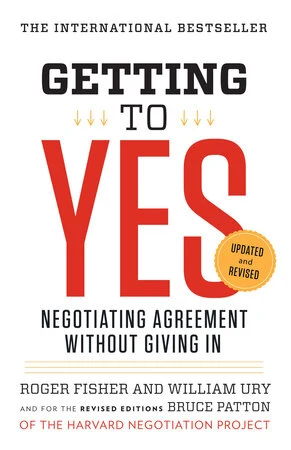
1. Getting to Yes
Roger Fisher, William Ury and Bruce Patton give you a way to move a discussion from fixed demands to the interests behind them. If a buyer insists on a shorter contract, ask what risk the shorter term is meant to reduce. A review point or a staged commitment might address that risk. Check what you can actually do if talks end before you offer a concession. Book source.
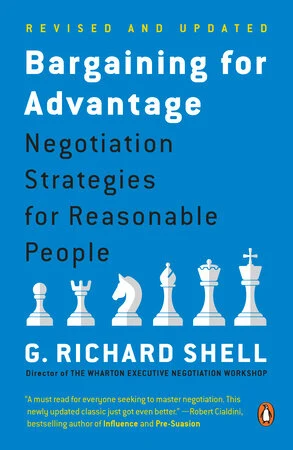
2. Bargaining for Advantage
G. Richard Shell gives you a structure for preparing your goals, standards, relationships and sources of leverage. Before a renewal, write down what evidence you can bring to support your terms and what you know about the buyer's alternatives. Check who can approve a change before you assume your evidence will carry weight. Book source.
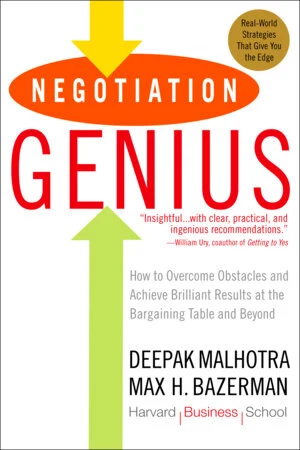
3. Negotiation Genius
Deepak Malhotra and Max Bazerman write about negotiation strategies and habits. When a buyer asks for a discount, put term length, payment timing and implementation scope on the same page. Compare what each package costs to deliver and what it gives the buyer. If the buyer has never said which term matters most, ask before offering a trade. Book source.
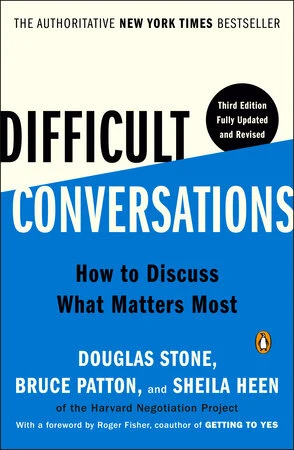
4. Difficult Conversations
Douglas Stone, Bruce Patton and Sheila Heen are useful when a commercial discussion has turned into a dispute over what someone promised. In a deal review, start by separating what each side heard from what each side inferred. That gives both sides something specific to check against the record. Resolve any disagreement about the contract separately. Book source.
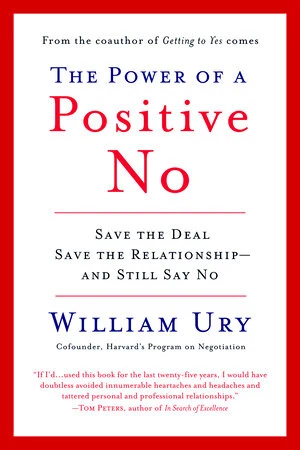
5. The Power of a Positive No
William Ury presents a three-step method for saying no. If a customer asks for a go-live date you cannot deliver, explain the condition you need to protect, decline that date, and offer a smaller first release if it is workable. A clear refusal is still useful when there is no viable alternative. Book source.
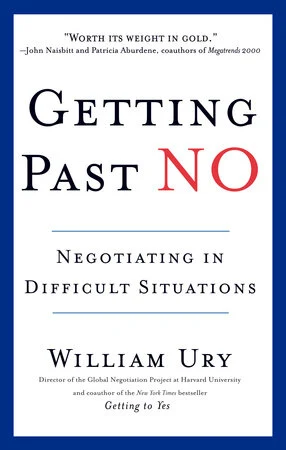
6. Getting Past No
William Ury addresses difficult negotiations and difficult people. Use a pause to work out whether their objection is to the offer or to the risk of saying yes. Find out before you spend time revising the proposal. A firm decision to stay with the incumbent may give you little left to negotiate. Book source.
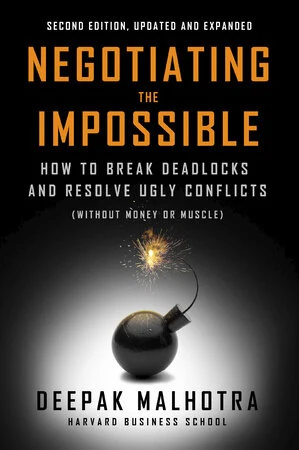
7. Negotiating the Impossible
Deepak Malhotra uses cases to show ways of working through a deadlock. If both teams keep repeating the same terms in a joint call, try agreeing which issues need a decision and in what order. That may give the buyer a way to involve the right people. Changing the sequence cannot make a deal viable when a binding constraint rules it out. Book source.
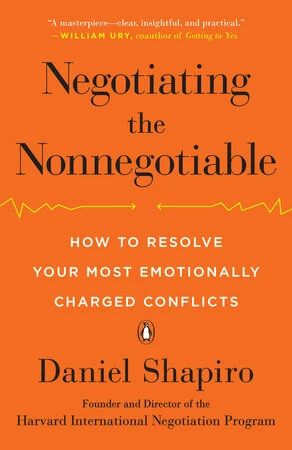
8. Negotiating the Nonnegotiable
Daniel Shapiro helps you recognise when a dispute touches on identity. A team may resist an implementation change because it sees the change as a judgment on the work it already did. Ask what the team wants to preserve before discussing transition terms. Treat that as a question for the team and check the operational constraints separately. Book source.
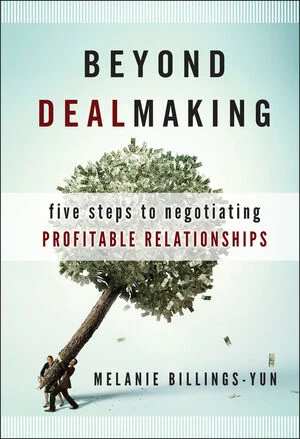
9. Beyond Dealmaking
Melanie Billings-Yun focuses on the relationship that has to deliver the agreement. In a deal that requires both teams to do ongoing work, ask who owns the handoffs, how they will notice a problem, and how they will resolve it. Bring the people who will run the work into that discussion. Their ability to deliver is something the deal team needs to verify. Book source.

10. 3-D Negotiation
David A. Lax and James K. Sebenius look at how you set up a negotiation before the meeting, including who participates and in what sequence. If a sponsor and a technical team have agreed on the proposal but the budget owner has yet to see it, the next move may be a different conversation with different people. Keep that conversation within the buyer's stated approval process. Book source.
If your sticking point is who decides, what evidence they need, or what happens after a verbal yes, the opportunity qualification guide can help you map those questions before the next call.
Sources
- Getting to Yes
- Bargaining for Advantage
- Negotiation Genius
- Difficult Conversations
- The Power of a Positive No
- Getting Past No
- Negotiating the Impossible
- Negotiating the Nonnegotiable
- Beyond Dealmaking
- 3-D Negotiation
Sources checked on 6 November 2026.