10 books for more useful conversations at work
A reading guide for finding out what is going on, understanding another person's view and deciding what to do together.

A customer asks for a demonstration. You arrange it, explain the product and finish the meeting without knowing what they need to change. The conversation has moved something forward in your calendar. You still have very little to work with as a seller.
In my advisory work, I ask questions to understand the person's situation and challenge what we think needs to happen. That requires listening to an answer even when it changes the direction I had in mind. A prepared question loses its usefulness if I am already waiting to ask the next one.
These ten books approach different difficulties in that work. I have chosen them for their focus on understanding, questioning, listening or handling disagreement, and for how clearly that focus fits a situation at work. The order is a way into the subject, rather than a ranking. Choose the conversation you need help with; there is no reason to read all ten before having it.
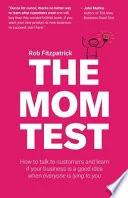
1. The Mom Test, Rob Fitzpatrick
Start here when a customer conversation produces enthusiasm and leaves you unsure whether the problem matters. The Mom Test addresses biased customer feedback and how to learn whether someone is likely to buy. Its setting is especially relevant when you are investigating a new offer.
I would ask about the last time the difficulty occurred: what happened, how the person dealt with it and what it cost them. An account of something they have done gives us more to examine than a prediction about what they might buy. It still leaves the commercial decision open. Someone can have a frustrating problem and choose to live with it.
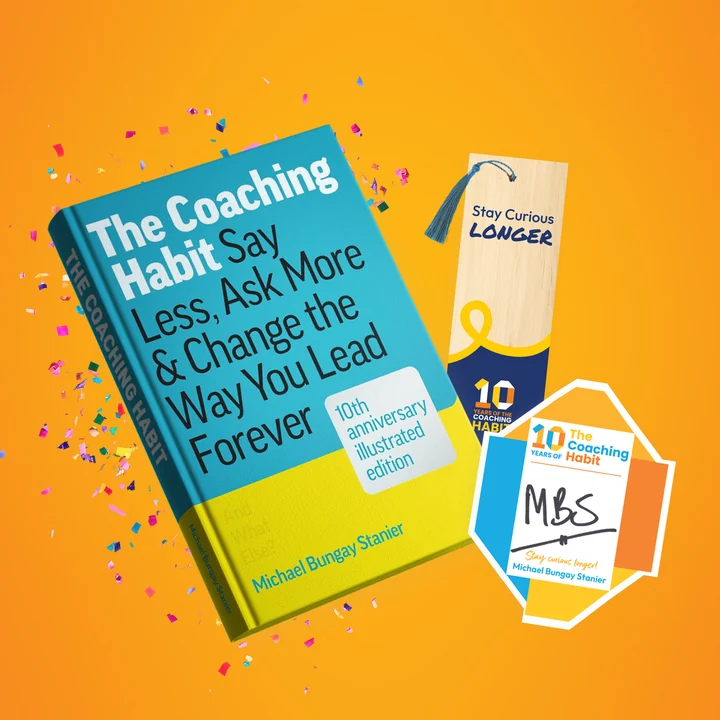
2. The Coaching Habit, Michael Bungay Stanier
If you keep leaving conversations with someone else's work on your own list, The Coaching Habit is a relevant starting point. Bungay Stanier builds the book around seven questions and the habit of staying curious before giving advice.
For a manager, I would examine the moment the conversation turns into an assignment for the manager. Have we understood where the other person is stuck, and what help they want? Sometimes a decision or direct instruction is needed. Asking more questions should help establish that responsibility, rather than leave a colleague waiting for an answer only you can give.
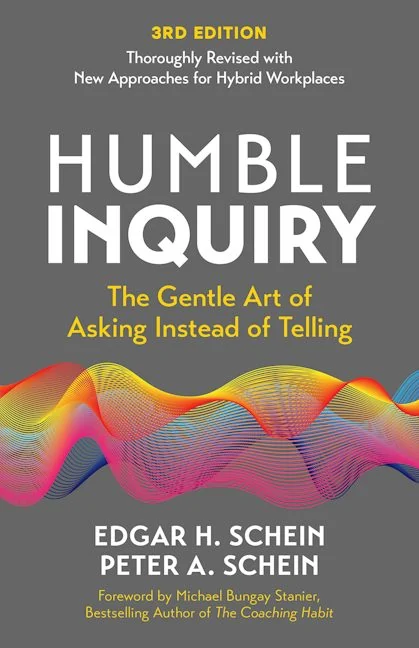
3. Humble Inquiry, Edgar H. Schein and Peter A. Schein
A question from the boss can sound like an instruction. Humble Inquiry examines asking from curiosity and the effect that hierarchy has on what people are willing to say. It fits a conversation where your position may be making agreement too easy.
Before asking a team whether a proposed change will work, I would consider what happens to someone who says it will not. If their objection will be dismissed, a more elegant question changes very little. Make room for an actual concern, ask what led them to it, and be prepared to change the plan when the answer warrants it.
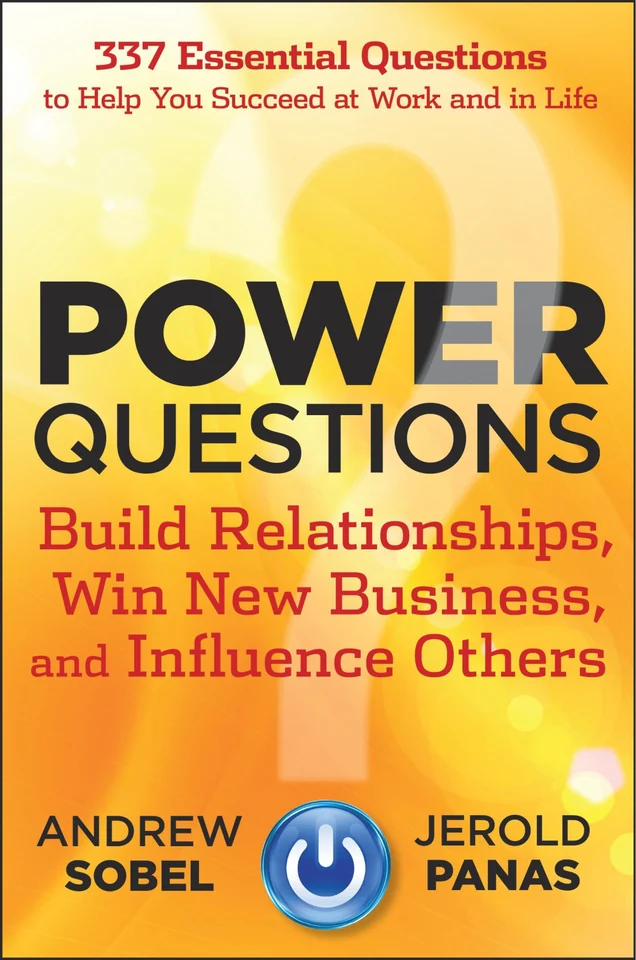
4. Power Questions, Andrew Sobel and Jerold Panas
Power Questions uses accounts of conversations to explore questions in professional and personal relationships. I would consider it when a client meeting stays at the level of polite updates and you need to understand what matters to the person across the table.
A useful place to begin is what they want to be different after the work. Then follow their answer far enough to understand the consequence for them. That may reveal a concern the original brief barely mentions. A question that encourages someone to speak personally also creates a responsibility to handle the answer with care; it is not permission to turn every concern into a sales opportunity.
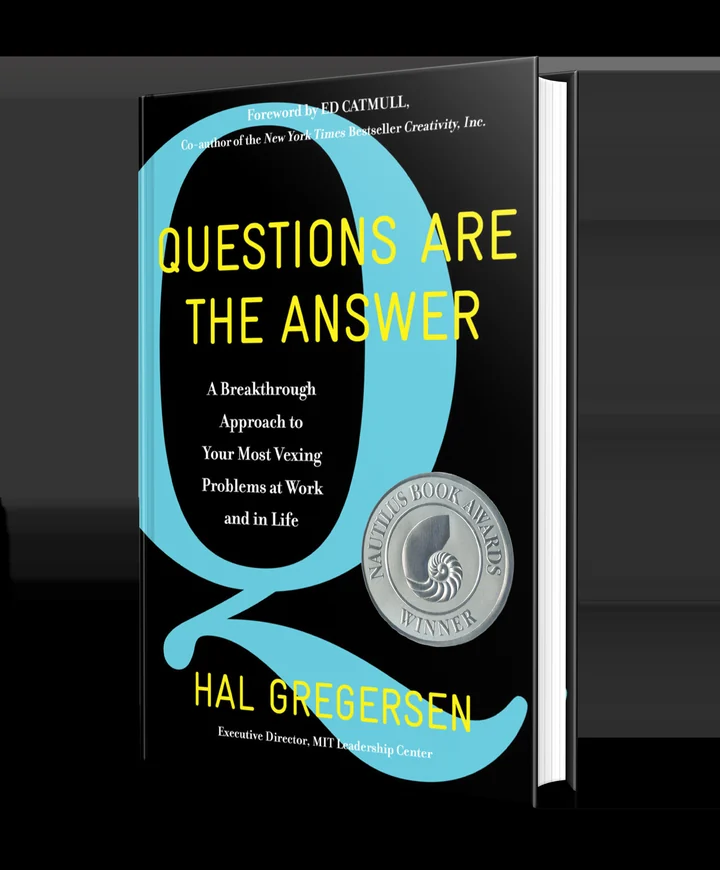
5. Questions Are the Answer, Hal Gregersen
Choose Questions Are the Answer when a team keeps producing answers without making progress on the problem. Gregersen investigates the conditions that help people arrive at questions that change their understanding of a situation.
Suppose the discussion is how to fit more demonstrations into the week. I would first want to understand why there are so many, which opportunities justify them and what the demonstrations need to establish. Those are different questions from the scheduling question. We may still need more capacity, but we should know which work is worth creating capacity for.
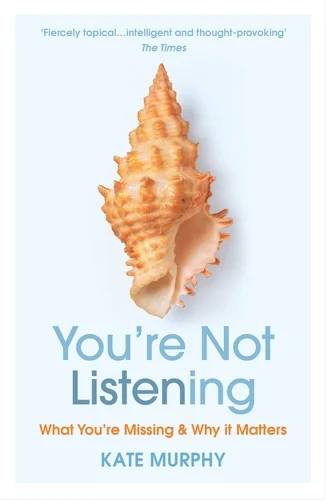
6. You're Not Listening, Kate Murphy
Having a good question ready can become a distraction of its own. You're Not Listening examines listening through Murphy's conversations with people in very different kinds of work. It is the choice here for examining what you do while the other person is speaking.
Notice whether you are trying to understand the answer or preparing your response. Before moving on, explain what you think you have heard and let the person correct it. That gives them a chance to point out the part you missed. An accurate understanding may still leave you disagreeing about what to do, but at least you can examine the disagreement you actually have.

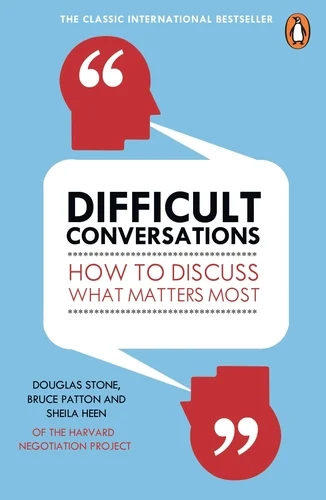
7. Difficult Conversations, Douglas Stone, Bruce Patton and Sheila Heen
Difficult Conversations distinguishes what people believe happened, their feelings about it and what it means for how they see themselves. That makes it relevant when a discussion about the work has become difficult to separate from a judgement about the people doing it.
If a delivery has gone wrong, I would want to hear each person's account before deciding that we agree on the cause. What did each understand had been promised? What information did they have when they acted? Understanding another account does not remove accountability. It can change where you place it and what needs to happen to avoid the same problem.

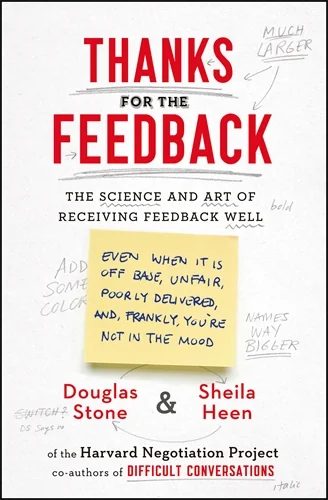
8. Thanks for the Feedback, Douglas Stone and Sheila Heen
The same authors turn attention to the person receiving criticism in Thanks for the Feedback. Its focus is the tension between wanting to learn and wanting to be accepted as we are. Choose this when your own reaction makes it hard to examine what someone is telling you.
If a client says the advice was too theoretical, I would ask where they needed to act and could not use it. That gives us something specific to investigate. I may disagree with their interpretation, but defending the advice before understanding that example would leave me poorly placed to judge whether it helped.
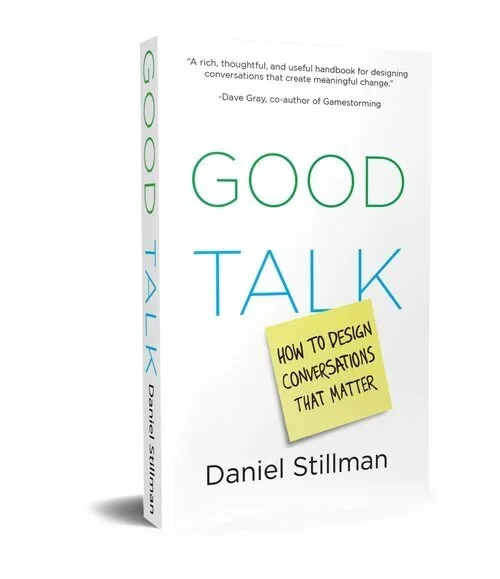
9. Good Talk, Daniel Stillman
Some discussions need a different arrangement before they need a better question. Good Talk approaches conversations through design, including who is invited, who speaks first and the conditions around the exchange.
I would look here when a meeting repeatedly ends with agreement in the room and objections afterwards. Consider who has had a chance to think and whose view arrives first. Asking people to examine a proposal individually before discussing it may expose differences that a quick request for comments misses. The arrangement should help people contribute; a workshop format cannot settle a decision if nobody knows who has authority to make it.
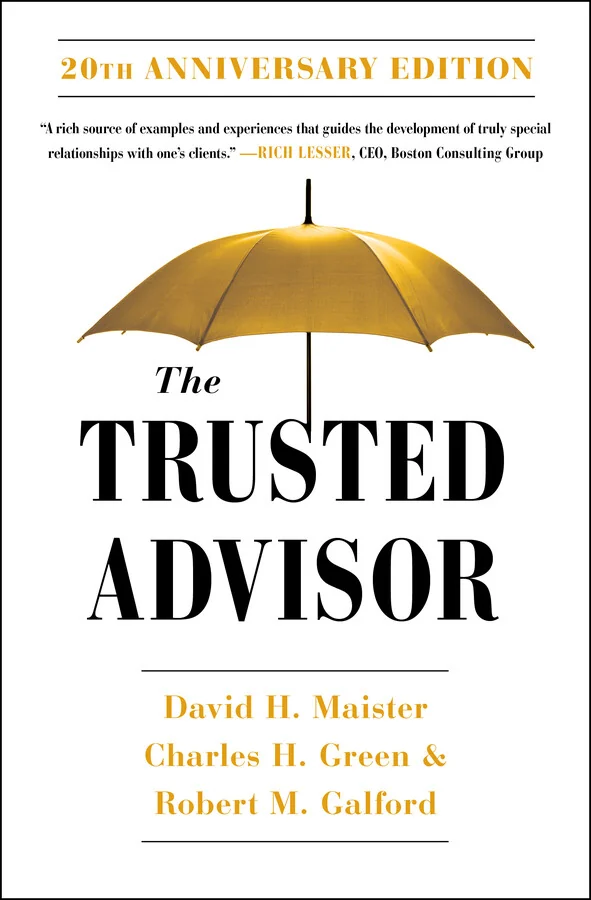
10. The Trusted Advisor, David H. Maister, Charles H. Green and Robert M. Galford
Technical knowledge can answer the stated question while leaving the client reluctant to share what is troubling them. The Trusted Advisor examines trust in advisory relationships, with attention to listening, framing the issue and reaching a commitment.
I would consider it when your expertise is clear but the relationship is not developing. Can the client disagree with your diagnosis? Can they discuss a constraint without immediately being offered more work? For me, that is a useful way to examine the conversation. Being trusted also means being willing to conclude that the assignment you expected is not the help the person needs.
Take a specific conversation back to the reading
Choose a conversation you need to have and write down what remains unclear. After reading, return to that uncertainty. You might ask a different question, invite someone whose view is missing or leave more space for an answer you would usually interrupt. Judge the change by what you understand and can do afterwards.
For a customer discussion, what stakeholder interviews add to a Business Value Assessment shows how I connect people's different accounts to a business decision. If you want help examining a situation in your own working life, bring it to a coaching conversation. We can start with what you need to work through.
Sources
- The Mom Test by Rob Fitzpatrick
- The Coaching Habit by Michael Bungay Stanier
- Humble Inquiry by Edgar H. Schein and Peter A. Schein
- Power Questions by Andrew Sobel and Jerold Panas
- Questions Are the Answer by Hal Gregersen
- You're Not Listening by Kate Murphy
- Difficult Conversations by Douglas Stone, Bruce Patton and Sheila Heen
- Thanks for the Feedback by Douglas Stone and Sheila Heen
- Good Talk by Daniel Stillman
- The Trusted Advisor by David H. Maister, Charles H. Green and Robert M. Galford
Sources checked on 27 October 2026.