10 customer success books for B2B teams
Choose a book for the decision your team faces after a customer signs.

Start with the problem your customer faces after signing. Choose an onboarding book if new accounts stall before using the product, a service book if customers have to chase help, or a book on customer value if the team cannot explain why an account should renew or expand.
These ten books come from author or publisher sources. Each earns its place by helping with a different decision. A team with one difficult handover has a different reading job from a company trying to change how several functions serve customers.
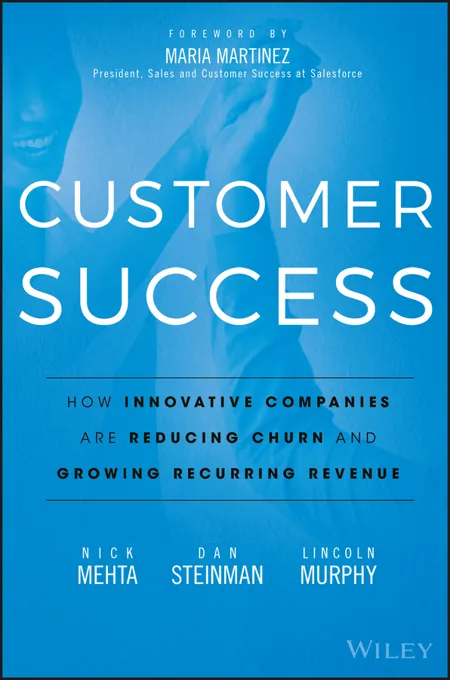
1. Customer Success
Use this book to define what a customer success team is responsible for. Nick Mehta, Dan Steinman and Lincoln Murphy explain the role in a recurring-revenue business. Start by agreeing which customer outcome the team can help deliver and what support or account management still owns. The book gives you a way to discuss the remit. Your contracts and staffing determine who can do the work.
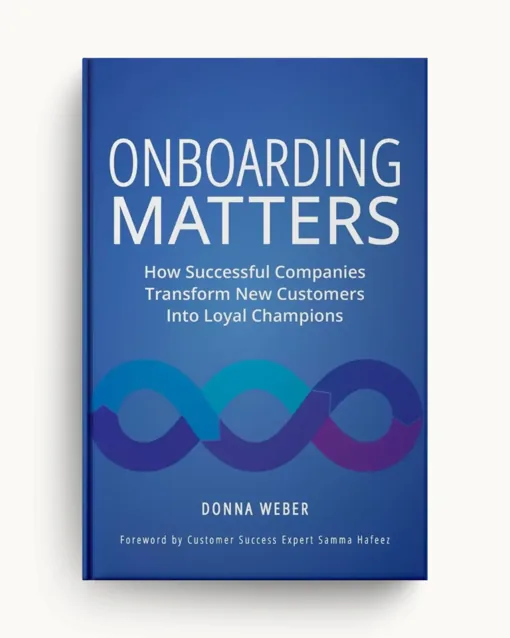
2. Onboarding Matters
Use Donna Weber's book to plan the handover from a sale to first use. Her approach treats onboarding as work that starts with what the customer needs to accomplish. For a new reporting tool, record who will produce the first report and what they need from both companies before they can do it. The book helps you plan the handover. Check the actual dependencies with the people doing the work.
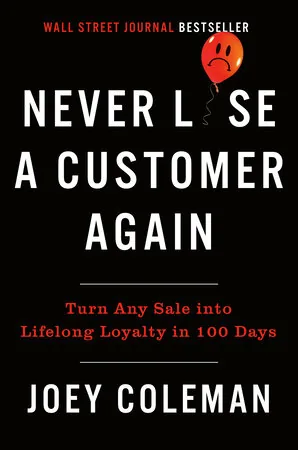
3. Never Lose a Customer Again
Use Joey Coleman's book to review what a new customer experiences in the days after signing. His phases help a team see where the customer is left waiting or unsure who to ask. Read through the first messages a new account actually receives and see whether they make the next step clear. A better welcome can address uncertainty while the onboarding team works on access and training.
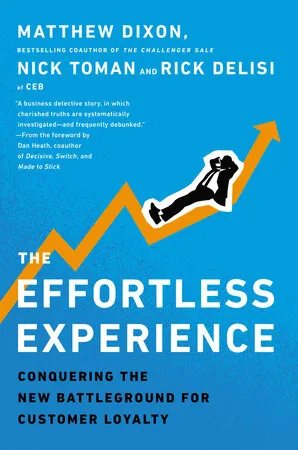
4. The Effortless Experience
Use this book to find work your support process makes the customer repeat. Matthew Dixon, Nick Toman and Rick DeLisi study effort in service interactions. Take a recent ticket that moved between teams and count how often the customer had to explain the issue again. Fixing that route helps with service friction. It tells you little about whether the customer needs a larger contract.
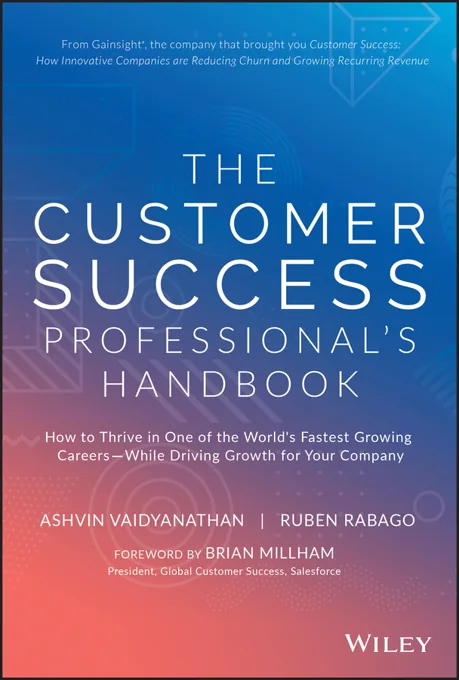
5. The Customer Success Professional's Handbook
Use this book to give account owners a way to review the risks in their own portfolio. Ashvin Vaidyanathan and Ruben Rabago cover the work of a customer success manager, including engagement and risk. Ask what changed at an account, who confirmed it and which conversation should come next. Build the review around signals the team can check in its own accounts.
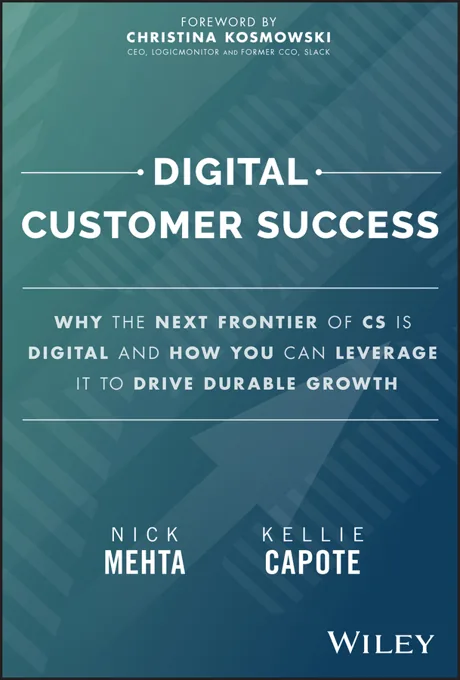
6. Digital Customer Success
Use this book to decide which help customers can get without waiting for a meeting. Nick Mehta and Kellie Capote discuss digital interventions and self-service. Start with a task that accounts already attempt, such as inviting a colleague, and test whether a prompt or guide helps them finish it. Keep someone available for blocked accounts while you learn where the guidance works.
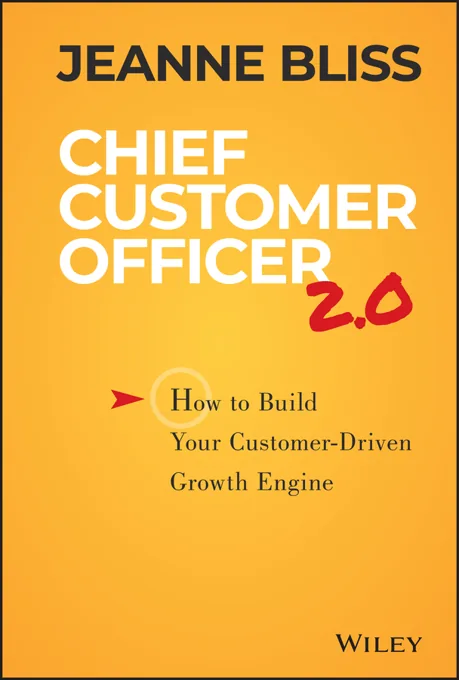
7. Chief Customer Officer 2.0
Use Jeanne Bliss's book to agree who owns a customer problem that crosses departments. Her framework includes listening and shared accountability. If billing sends customers to support and support sends them back, agree who owns the resolution and what that person can change. A listening programme helps surface the pattern. Someone still needs the authority to fix it.
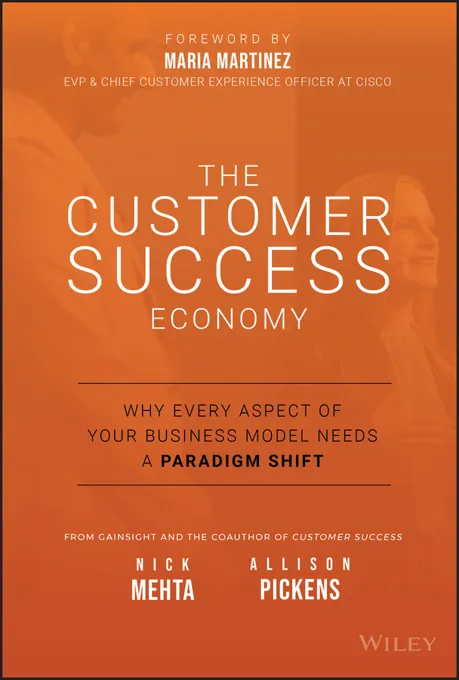
8. The Customer Success Economy
Use this book when the customer outcome needs a change in how sales and delivery work together. Nick Mehta and Allison Pickens discuss customer success across the company. Ask sales and delivery to identify which promise each side sees at handover, then agree what both teams will carry forward. A shared record helps only when the people using it can check the promise with the customer.

9. Winning with Customers
Use this book to prepare a discussion about what the customer gets from doing business with you. D. Keith Pigues and Jerry D. Alderman make that question explicit for B2B companies. Bring figures the customer can confirm, such as changes in the hours spent checking orders. Keep the value discussion open if the baseline is missing or another change could explain the result.

10. The Wallet Allocation Rule
Use this book when a satisfied customer still gives much of the work to other providers. Timothy L. Keiningham, Lerzan Aksoy, Luke Williams and Alexander J. Buoye look at how customers rank brands they use and how that relates to share of spending. Ask which part of the work stays with another provider and what makes that choice sensible. A ranking can start the conversation. A new use still has to earn its budget.
If the next decision involves a purchase or expansion, opportunity qualification gives sales teams a way to review the buyer's decision with evidence from the account.
Sources
- Customer Success
- Onboarding Matters
- Never Lose a Customer Again
- The Effortless Experience
- The Customer Success Professional's Handbook
- Digital Customer Success
- Chief Customer Officer 2.0
- The Customer Success Economy
- Winning with Customers
- The Wallet Allocation Rule
Sources checked on 23 November 2026.