10 decision-making books for business owners
Choose a book for the difficulty in the decision.

For a decision with uncertain outcomes, start with Thinking in Bets. How to Decide gives you exercises for working through the choice, while Decisive helps when the options themselves need more thought. Noise concerns inconsistent judgements across people, and Thinking in Systems helps when a change in one part of the business affects another.
These ten books address different problems in making a decision. The selection follows the authors' and publishers' descriptions, with a practical question to bring back to your own business. Choose by the question you face. A book can suggest how to examine an offer or plan, while the evidence about your customers and capacity still has to come from your work.
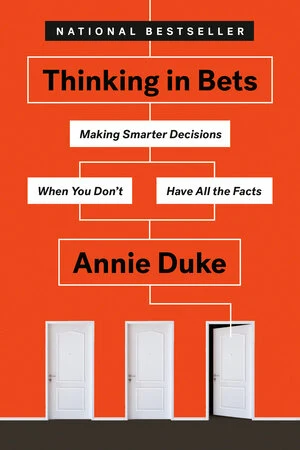
1. Thinking in Bets
Thinking in Bets helps when you are judging a decision by how it turned out. Annie Duke examines decisions made with incomplete information and the part luck plays in the result.
Before repeating a successful offer, write down what you knew when you chose it and what you learned afterwards. A favourable result may leave some of the original assumptions unresolved. The book gives a way to examine that distinction, while the reasons a particular customer bought still need checking.
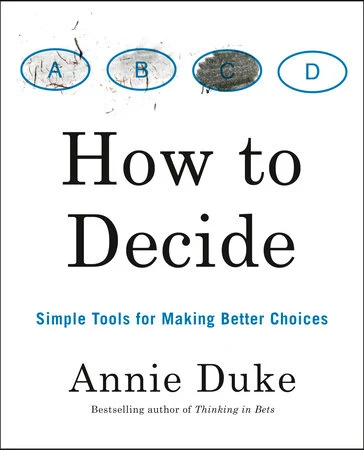
2. How to Decide
How to Decide is for someone who wants exercises to work through a current choice. Duke's tools cover feedback, hidden biases and decisions about when to move quickly or spend longer investigating.
Bring a choice such as accepting a large assignment to the exercises. Identify what more information could change your decision and what you would do with that answer. If the difficulty is that the proposed options are too narrow, Decisive offers a different starting point.
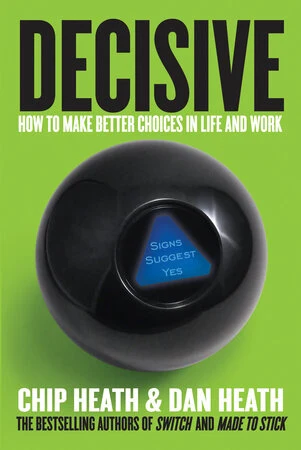
3. Decisive
Decisive offers Chip and Dan Heath's four-step process for making choices. The publisher describes a process intended to address biases and help readers avoid overlooking opportunities to change course.
Use it when you have reduced a business choice to accepting or rejecting one offer. Ask what other arrangement you could investigate before committing. An alternative needs a willing customer and feasible delivery. Imagining it is the start of that investigation.
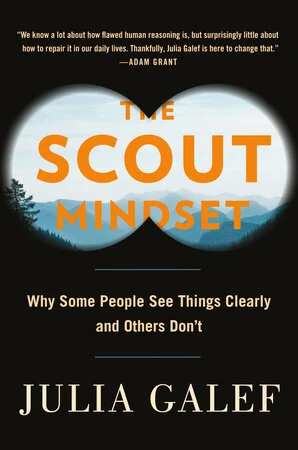
4. The Scout Mindset
The Scout Mindset concerns how people respond to evidence about beliefs they want to defend. Julia Galef describes habits for seeking a more accurate view of what is happening.
It fits an owner who has become attached to a new service and finds every customer conversation encouraging. Write down what would count against the idea before the next conversation. The book addresses the reader's approach to evidence. It cannot establish whether this service has demand.
5. Superforecasting
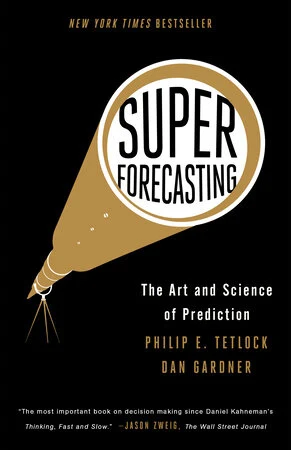
Superforecasting examines prediction through Philip Tetlock and Dan Gardner's account of forecasting research and the Good Judgment Project. It is a choice for making an expectation explicit enough to revisit.
Take a belief about the next quarter and turn it into a question with a date and an observable outcome. Keep the original forecast so you can compare it with what happened. The book's forecasting research does not establish the probability of your own sales or growth plan.
6. Good Strategy Bad Strategy
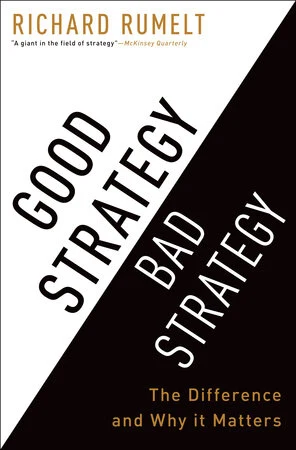
Good Strategy Bad Strategy helps when a plan names ambitions but leaves the obstacle and response unclear. Richard Rumelt examines strategy as a coherent approach to overcoming a problem.
If your plan is to grow advisory revenue, identify what is currently preventing that growth before adding more activities. A diagnosis should be examined against customer evidence and the work the business can deliver. Rumelt's examples give you ways to question the plan, with the diagnosis of your business still to establish.
7. How Big Things Get Done
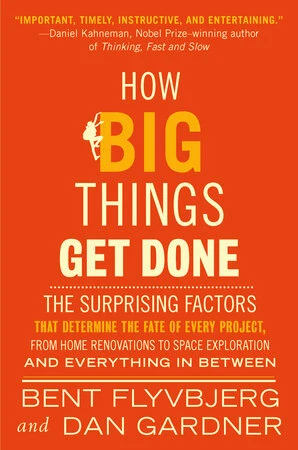
How Big Things Get Done concerns the judgement and planning behind projects. Bent Flyvbjerg and Dan Gardner examine why projects go wrong and what can be learned from how they are planned and delivered.
Use it before accepting a project whose timetable depends on several things going right. Ask what comparable work could tell you about the estimate. The book covers projects of different sizes. A comparison is useful only when you can explain what makes it relevant to the work you are planning.
8. Noise
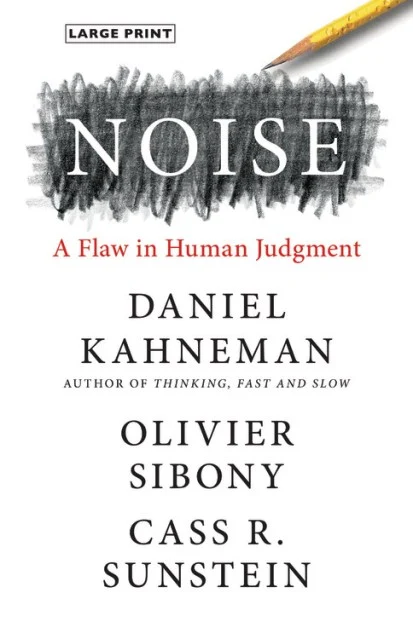
Noise examines variation in judgements that should be consistent. Daniel Kahneman, Olivier Sibony and Cass Sunstein discuss how the same situation can receive different answers depending on who judges it.
It fits a business where similar requests receive different decisions from different people. Ask two colleagues to review the same fictional case independently, then discuss where their reasoning differs. That exercise can identify a question to investigate. It does not establish which judgement is correct or how often the variation occurs in real work.
9. Think Again
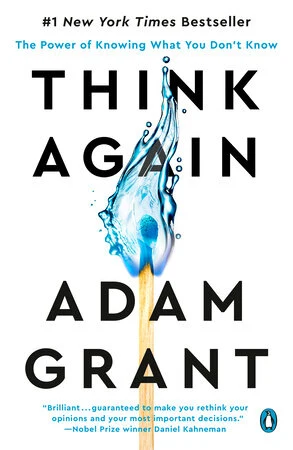
Think Again is about questioning opinions and becoming willing to reconsider them. Adam Grant examines rethinking and the conversations that can help people challenge their conclusions.
Use The Scout Mindset to examine your own response to evidence; bring Think Again to a discussion where the team has already made up its mind. Ask what each person has changed their view about since the first proposal and which evidence caused the change. Use the book to examine the conversation while testing the underlying business claims separately.
10. Thinking in Systems
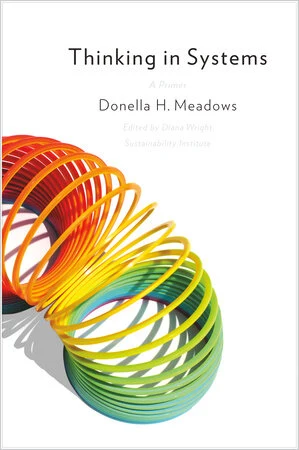
Thinking in Systems helps when a proposed improvement affects more than the part of the business being changed. Donella Meadows introduces ways to examine systems and the relationships within them.
Before adding another delivery slot, trace what happens to preparation, review and the owner's availability for customers. The change may create work elsewhere. Drawing those relationships gives you a hypothesis to check against actual timings and responsibilities. The map needs evidence from the business it describes.
Bring a real business decision to business coaching. The first conversation can start with the offer, the assumptions behind it and what would change your answer.
Sources
- Thinking in Bets
- How to Decide
- Decisive
- The Scout Mindset
- Superforecasting
- Good Strategy Bad Strategy
- How Big Things Get Done
- Noise
- Think Again
- Thinking in Systems
Sources checked on 11 November 2026.