10 delegation books for business owners
Choose a book for the responsibility that keeps coming back to you.

Choose a delegation book for what still comes back to you: decisions, recurring work or questions another person could learn to resolve. Turn the Ship Around! addresses giving control, Clockwork and Work the System address how work runs, and The Coaching Habit addresses the urge to supply every answer.
The ten choices below come from publisher or author descriptions. They cover different parts of transferring responsibility, rather than ten versions of the same delegation technique. Selection requires an identifiable author, a public account of the book's approach and a practical question it can help an owner examine. This is a reading shortlist, not a ranking or a claim that reading a book produces an independent team.
Consider a hypothetical consultancy owner who has handed delivery to a colleague but still approves every small change. Before choosing a book, establish what keeps returning: an unclear decision boundary, missing information, a process nobody can follow or a colleague who needs support. Those are different problems. If the unresolved issue is a conversation about expectations, the difficult conversations reading list addresses that preparation.
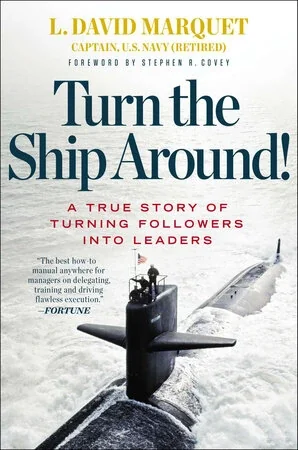
1. Turn the Ship Around!
Turn the Ship Around! is for examining decisions that still require the leader's permission. L. David Marquet's account describes changing the leader-follower model aboard the USS Santa Fe and giving control to the people doing the work.
For the consultancy owner, a useful question is which delivery decisions the colleague can make with the information available. The book offers a leadership account from a submarine, not a ready-made authority policy for a small firm. Decisions involving a client's commitment still need an explicit agreement about who may make them. Publisher description.
2. Who Not How
Who Not How is for reconsidering work you assume you must learn to do yourself. Dan Sullivan and Benjamin Hardy organise the book around finding people who can help achieve a goal instead of beginning with how to do everything personally.
That can help an owner frame the contribution needed before searching for another tool or course. It does not establish that a suitable person is available, affordable or willing to take the work. Define the result and discuss the arrangement with them; the change in question is a starting point for that conversation. Publisher description.
3. Clockwork
Clockwork is for looking at a business that still depends on its owner to keep daily work moving. Mike Michalowicz's revised and expanded edition describes transferring tasks and identifying the critical function the business needs to perform.
Use that operational emphasis to examine a recurring service, rather than handing over isolated errands while retaining every decision. The publisher makes strong claims about a business running itself. Treat those as the book's proposition, not a promise that an owner can leave without checking whether the team has the resources and authority to deliver. Publisher description.
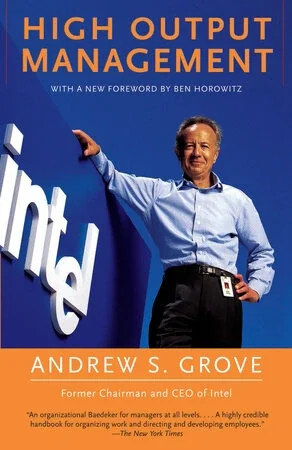
4. High Output Management
High Output Management is for owners whose next responsibility is organising and developing a team. Andrew S. Grove's management handbook draws on his Intel experience and covers building productive teams and managing their work.
It broadens the question beyond how much work the owner can pass on: what managerial work helps other people deliver? That is useful when the owner keeps returning to individual production because it feels more familiar. It is a broader management book, so someone looking only for a short handover checklist will need a narrower resource. Publisher description.
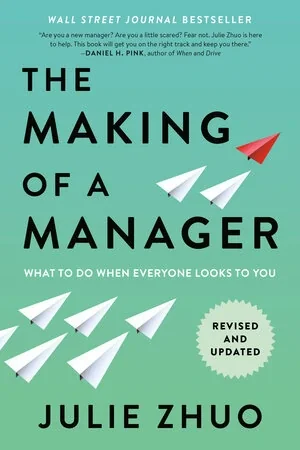
5. The Making of a Manager
The Making of a Manager is for someone becoming responsible for other people's work for the first time. Julie Zhuo's revised and updated edition uses her experience of becoming a manager to discuss the practical challenges of leading a team.
An owner promoting a delivery specialist can use it to open a discussion about what that new role involves, rather than assuming technical competence supplies management experience. The book is a broad introduction, not a determination of which responsibilities a particular colleague is ready to accept. That requires a conversation with the person and attention to their work. Publisher description.
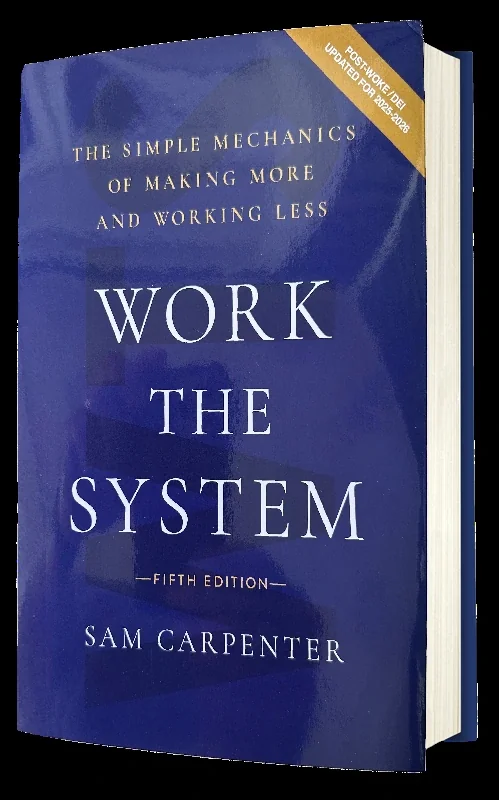
6. Work the System
Work the System is for examining repeatable work as a set of processes. Sam Carpenter presents a systems mindset and business documentation as central parts of his approach.
For an owner whose colleague repeatedly asks how a recurring task should be done, one possible application is to examine the instructions and information available before blaming a lack of initiative. A written procedure does not resolve every exception or judgement call. The colleague still needs a way to question a procedure that no longer fits the work. Author's description.
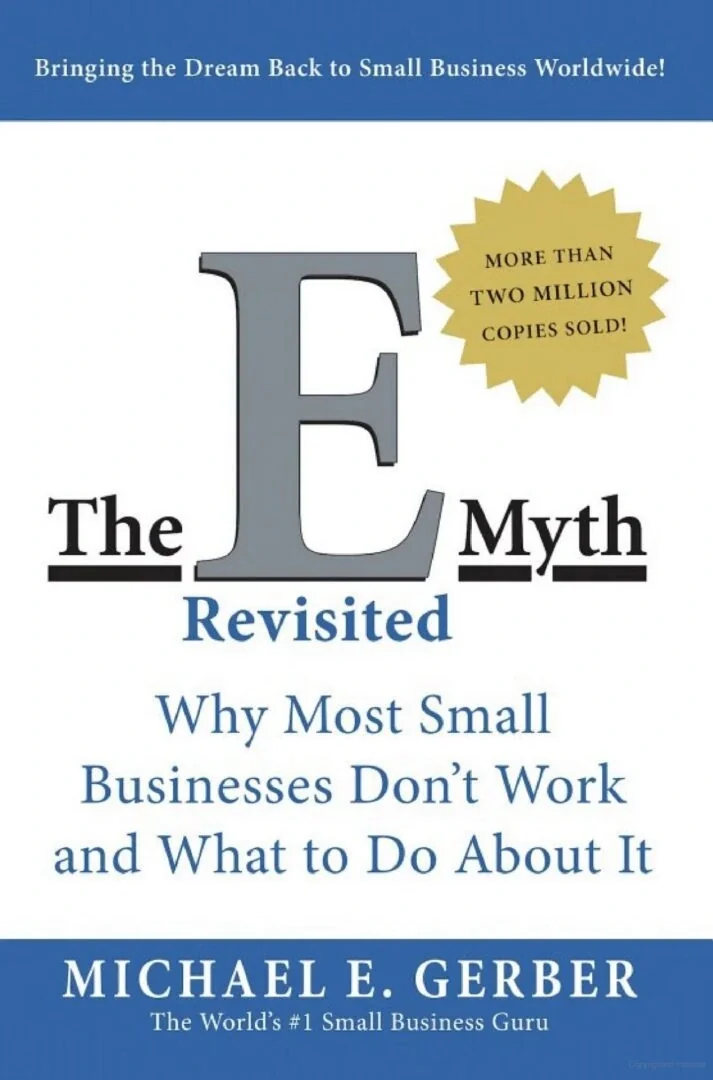
7. The E-Myth Revisited
The E-Myth Revisited is for reconsidering the owner's role in the business. Michael E. Gerber distinguishes working in the business from working on it.
That distinction can help an owner notice when they have delegated activity while keeping the business dependent on their personal intervention. It is a broad way to examine the company, rather than a substitute for agreeing the next assignment. Translate the question into one concrete responsibility someone else could take, with the support needed to do so. Author's description.
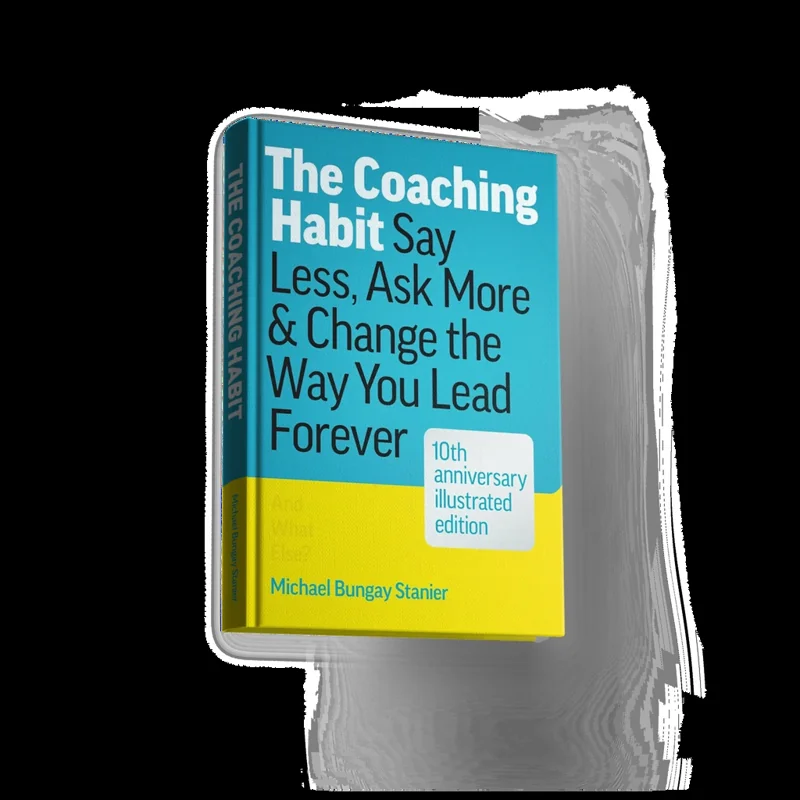
8. The Coaching Habit
The Coaching Habit is for leaders who move quickly from hearing a problem to supplying an answer. Michael Bungay Stanier presents seven coaching questions and an approach of staying curious longer before giving advice.
For the consultancy owner, the relevant moment is a colleague asking what to do about a delivery choice. Asking what they see and what they propose may reveal whether they need information, judgement practice or an actual decision from the owner. Questions are not a substitute for providing information or making a decision that remains yours. Author's description.
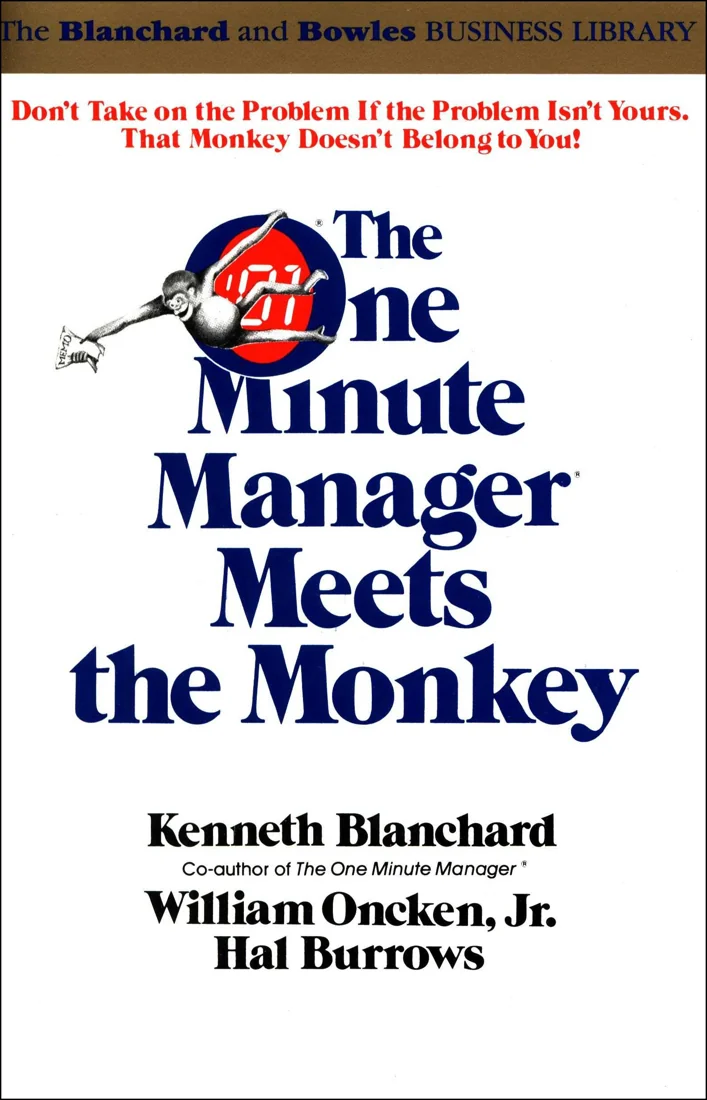
9. The One Minute Manager Meets the Monkey
The One Minute Manager Meets the Monkey is for examining problems that migrate back to the manager. Ken Blanchard, William Oncken Jr. and Hal Burrows use the monkey metaphor to describe a manager taking on other people's problems.
It provides a focused way to discuss who owns the next action when a colleague raises an issue. Avoid turning that into a rule that people must never bring problems to you. An escalation can be appropriate; the useful distinction is between helping someone act and quietly taking their entire responsibility back. Author's description.
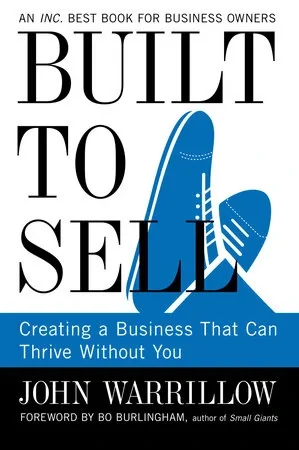
10. Built to Sell
Built to Sell is for considering how heavily the company relies on its owner. John Warrillow approaches that dependence through the question of creating a business that can operate beyond its owner's personal involvement and ultimately be sold.
Even without a sale in mind, the question can expose a service that only the owner knows how to deliver. Its sale-oriented perspective is a limit as well as a useful prompt: reducing dependence does not establish that a business is saleable or determine its value. The practical next step may simply be agreeing who can deliver one part of the service. Publisher description.
For the hypothetical owner, start with one recurring decision and discuss who will make it, what they need and when to bring an exception back. Then examine what actually happens. If that choice raises a larger question about which work you want to keep yourself, business coaching offers a place to work through the business and life you want to build.
Sources
- Turn the Ship Around!
- Who Not How
- Clockwork
- High Output Management
- The Making of a Manager
- Work the System
- The E-Myth Revisited
- The Coaching Habit
- The One Minute Manager Meets the Monkey
- Built to Sell
Sources checked on 17 November 2026.