10 presales and Sales Engineering books for the work you need to improve
A reading guide for Sales Engineers and their managers, with a practical question to take into each book.

A Sales Engineer can need several different kinds of help. Someone new to the role may want a broad handbook. An experienced practitioner may be trying to improve discovery or explain a solution to a mixed audience. Reading is more useful when you can connect it to that work.
These ten books cover technical selling and some of the communication and advisory skills around it. The selection follows the authors’ and publishers’ descriptions, with practical questions you can use to choose. The broader books are included for those specific skills; the order is a reading route rather than a universal ranking.
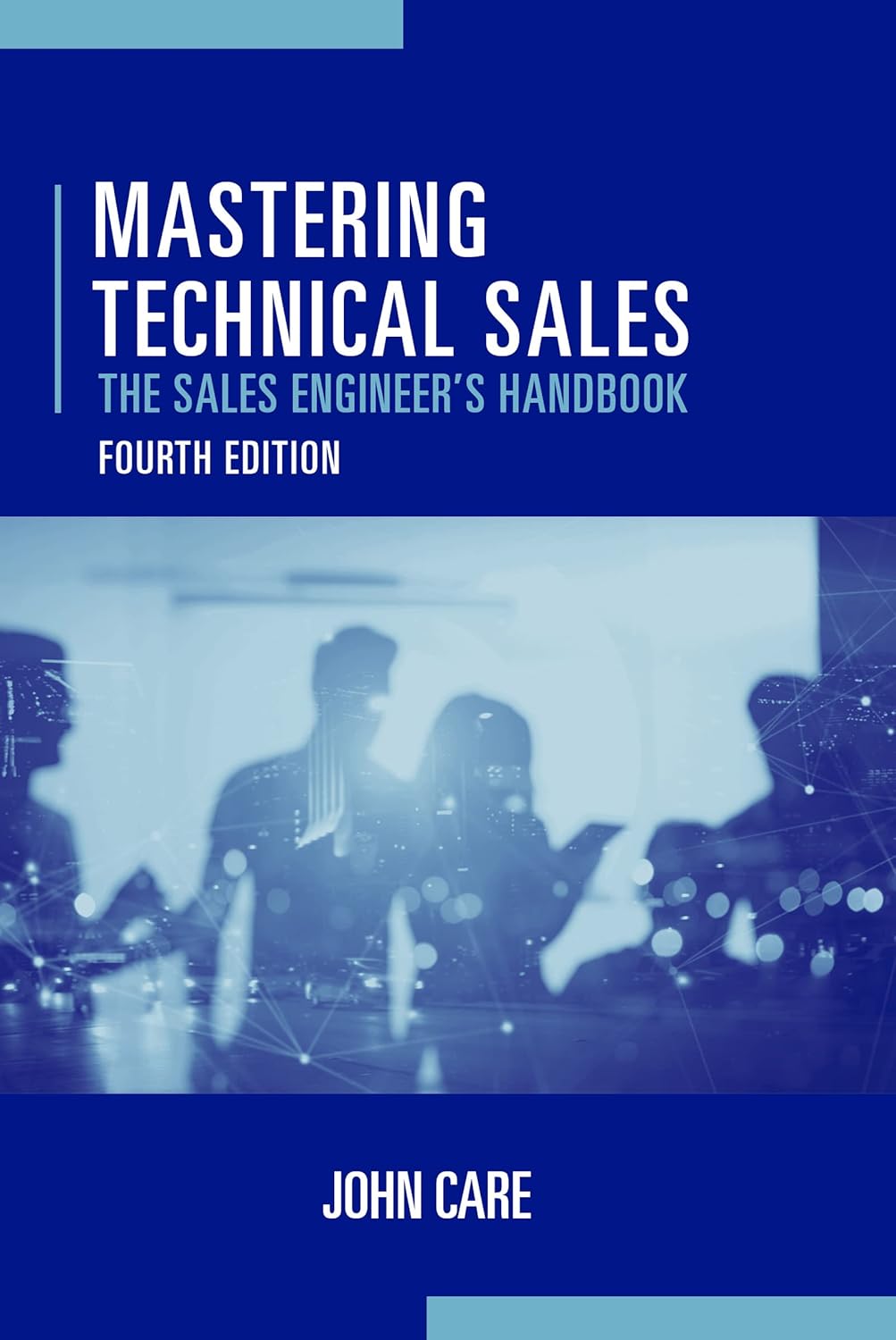
1. Mastering Technical Sales, John Care
Mastering Technical Sales: The Sales Engineer’s Handbook is the broad role handbook in this selection. Artech House describes the fourth edition as guidance for Sales Engineers working on the technical side of the sales and buying process. It is a sensible starting point when you need to understand how the different parts of the job fit together.
Use the breadth to examine your own week. Where do you need a stronger approach: preparing for an opportunity, working with the salesperson or helping the customer evaluate the solution? Choose a specific responsibility before deciding which topic to study. A manager can use the same question when discussing development with someone new to the role.
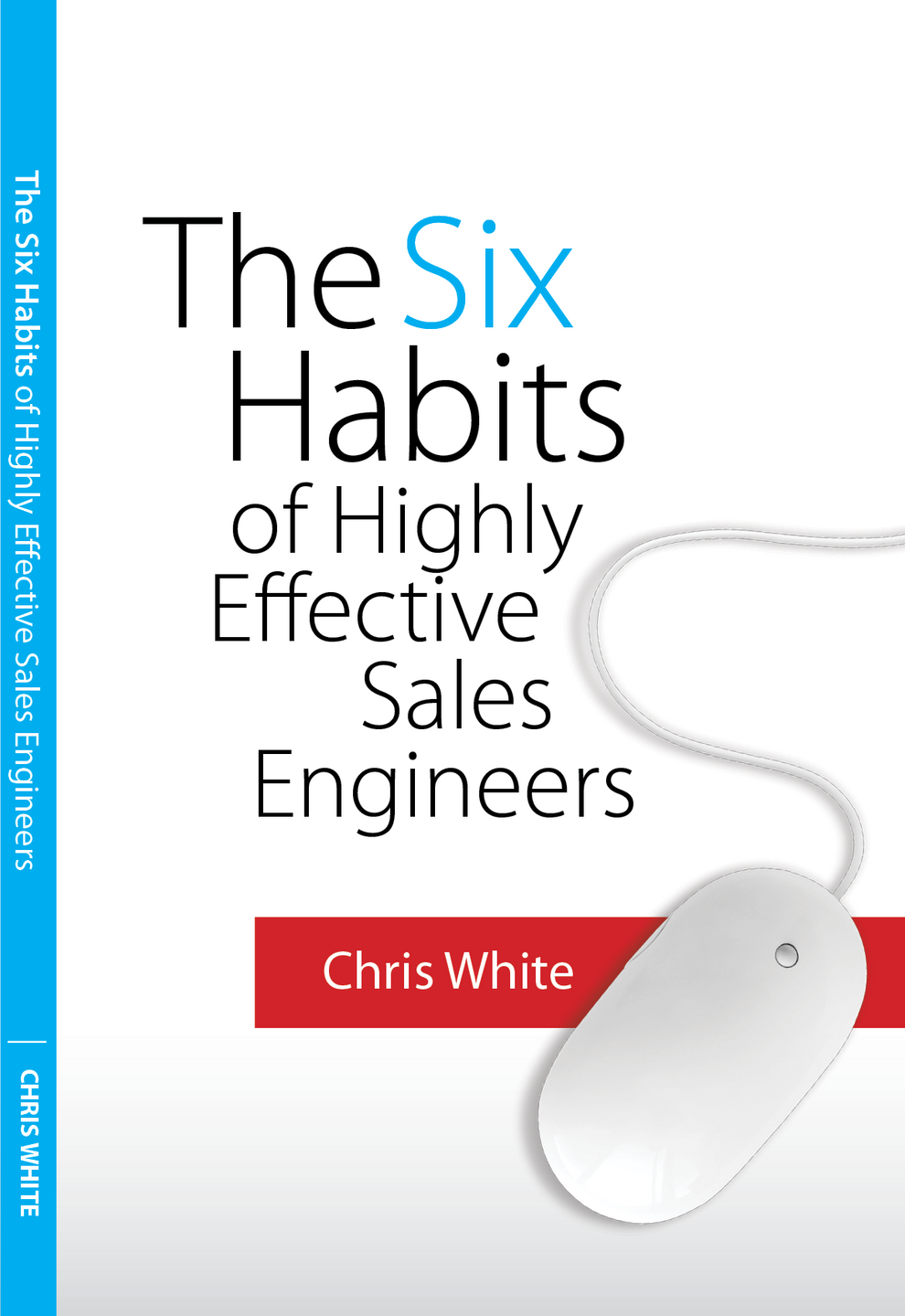
2. The Six Habits of Highly Effective Sales Engineers, Chris White
Chris White’s The Six Habits of Highly Effective Sales Engineers gives this list a framework aimed directly at technical sellers. His company connects the book with its demo preparation model and offers a first chapter through a name-and-email form.
Consider this when you want a regular way to prepare for customer work and review it afterwards. Take a recent demonstration and write down what you knew about the customer before you built it. Then identify something you would prepare differently for the next meeting. Use the reading to develop a habit you can repeat in your actual work.
3. Doing Discovery, Peter E. Cohan
In his recommended reading sequence, Cohan puts the Discovery Methodology chapter of Doing Discovery before the core demonstration material in Great Demo! That makes it the more relevant starting point when the team is preparing presentations without enough understanding of the customer.
Bring a discovery conversation you are about to have. Write down what you already know, whose account of the situation you have heard and what you still need to understand before showing software. A request for a feature gives you a place to begin asking about the work behind it. The useful reading should help you pursue that conversation.
4. Great Demo!, Peter E. Cohan
Great Demo! is Cohan’s demonstration-focused companion. His official books page identifies the third edition, while his reading guide separates core demonstration skills from the discovery that should inform them. Choose it when the customer situation is understood and the next question is how to show the relevant software.
For a practical exercise, choose a single customer task your demonstration needs to address. Decide what the audience should be able to understand after seeing it, then examine which screens and explanations contribute to that. Review the demonstration with someone who can question the business purpose as well as the product behaviour.
5. Demonstrating to Win!, Bob Riefstahl
Riefstahl’s Demonstrating to Win! is another demonstration and presentation choice. His company, 2Win, identifies him as its founder and the book’s author, and traces its skills approach to the book. The emphasis on demonstration fundamentals makes it relevant to someone reviewing how they perform in front of a customer.
Keep the improvement specific. If you tend to lose your place when a customer interrupts, review how you return to the task they need to see. If the explanation is hard to follow, examine the language and sequence. Those are different practice needs, and it helps to name yours before reaching for another general presentation tip.
6. Selling Is Hard. Buying Is Harder., Garin Hess
Selling Is Hard. Buying Is Harder. looks at helping the customer’s buying group make progress. Greenleaf’s description focuses on understanding the buying process and equipping an internal champion. For a Sales Engineer, that raises a useful question about what happens to the technical explanation after the meeting.
Who will need to explain the proposed solution to someone who did not attend? Consider what that person would need to show and which questions remain unanswered. A recording, diagram or written explanation may help, depending on the task. Check with the customer before spending time producing material they have no use for.
7. The Mom Test, Rob Fitzpatrick
The Mom Test comes from customer development. Fitzpatrick addresses biased feedback and conversations that help you learn whether someone has a problem worth working on. It belongs here for the questioning skill, particularly when an enthusiastic reaction is being treated as evidence about the customer’s needs.
Look at the questions you plan to ask before a demonstration. Which invite a compliment about the product, and which help you understand something the customer has already done? Asking them to walk through a recent attempt to solve the problem can give you more to investigate. Enterprise qualification still requires its own work around the wider buying decision.
8. Presenting to Win, Jerry Weissman
Pearson’s sample of Presenting to Win: The Art of Telling Your Story explains Weissman’s emphasis on audience focus and a clear narrative structure, with graphics supporting the story. This is a broader presentation book for a technical explanation that has become difficult for its audience to follow.
Work on a presentation you already need to give. Write the decision the audience is considering and what they need to understand to make it. Read through your opening with that purpose in mind. If a detailed architecture explanation comes before anyone understands why it matters, consider what context would help them follow it.
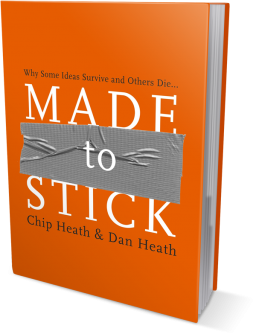
9. Made to Stick, Chip Heath and Dan Heath
Made to Stick examines why some ideas are understood and remembered. The Heath brothers’ communication focus makes this a useful adjacent choice when you need to explain a technical idea to people with different backgrounds. It is broader than presales and does not provide a Sales Engineering process.
Try the communication question on a specific concept in your solution. Can you give the customer a concrete explanation using work they recognise? Ask a colleague outside your specialty to explain it back. Notice where your explanation depended on terminology they did not share, then revise the part that left them guessing.
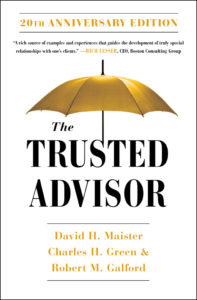
10. The Trusted Advisor, David H. Maister, Charles H. Green and Robert M. Galford
The Trusted Advisor concerns the trust involved in an advisory relationship. Its authors connect professional expertise with listening and helping a client frame the situation. This is relevant when you want to become more useful in the customer conversation, beyond answering the next technical question.
Consider a meeting in which you disagreed with the customer’s proposed approach. What had you understood before offering advice, and how did you explain your concern? The question is worth discussing with a colleague as you read. Keep your advice within what you know and can support, including the limits of the solution you represent.
Where to begin
If you are new to the role, start with Mastering Technical Sales or The Six Habits. For a discovery gap, Doing Discovery and The Mom Test address different parts of learning from the customer. Great Demo! and Demonstrating to Win! suit a demonstration practice need. The presentation and advisory titles help with the explanation and relationship around that work.
Pick a book alongside a customer task you actually need to perform. Try a relevant change, ask for specific feedback and decide what to keep. That makes the reading part of your development in the role.
For a team that needs to improve its customer work together, my Sales Engineering consulting covers discovery, demonstrations and the practical work around evaluating a solution.
Sources
- Mastering Technical Sales: The Sales Engineer’s Handbook by John Care
- The Six Habits of Highly Effective Sales Engineers by Chris White
- Great Demo! by Peter E. Cohan
- Doing Discovery by Peter E. Cohan
- Demonstrating to Win! by Bob Riefstahl
- Selling Is Hard. Buying Is Harder. by Garin Hess
- The Mom Test by Rob Fitzpatrick
- Presenting to Win: The Art of Telling Your Story by Jerry Weissman
- Made to Stick by Chip Heath and Dan Heath
- The Trusted Advisor by David H. Maister, Charles H. Green and Robert M. Galford
Sources checked on 15 October 2026.