How to measure quote turnaround time
Test what the customer receives and when it reaches them.

Quote turnaround time runs from the customer’s request to the first usable quote they receive. Record when the request arrives and when the team sends the first quote the customer can use. Compare that time with the buyer’s deadline before deciding whether faster entry helped.
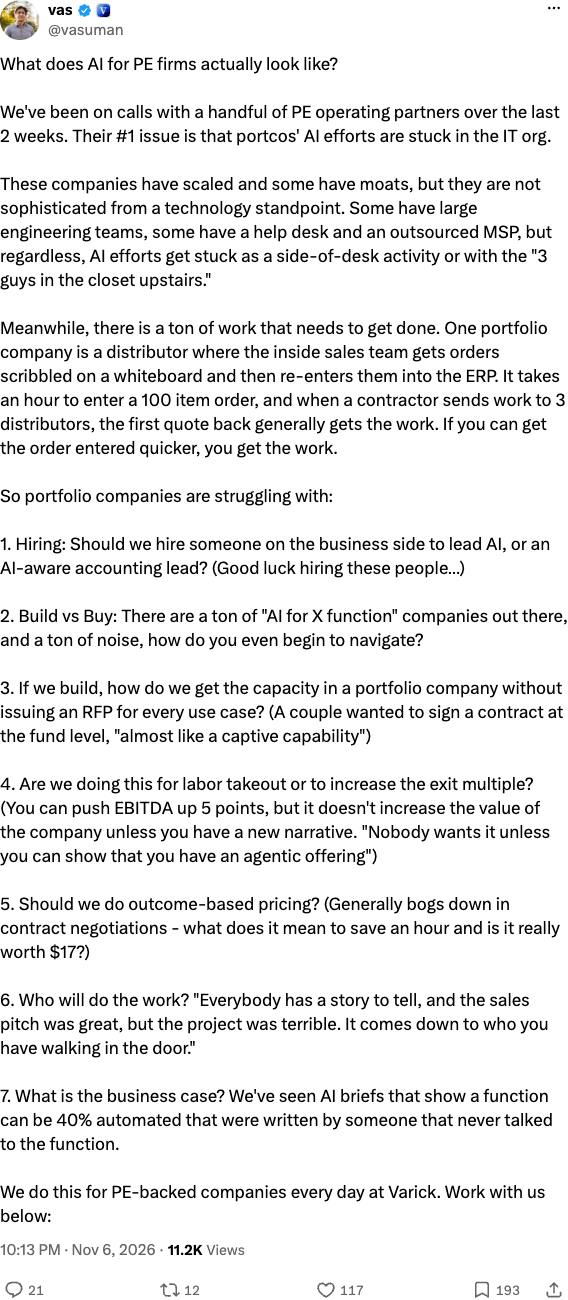
Vas describes a distributor whose inside sales team copies orders from a whiteboard into its ERP. He puts entry time for a 100-item order at an hour. For that distributor, he says the first quote back generally gets the work. He gives no timings for completed quotes or figures on which orders the distributor won.
Where quote turnaround time goes
Separate the wait before someone picks up the request, the time spent preparing it, and the wait for a price or approval. Keep the time the request first arrived even if the team has to ask the customer for more information. Record that clarification separately so you can see which requests were ready to price and which were missing something.
Suppose a contractor needs a quote by noon to decide what to buy that afternoon. If the request sits in the inbox all morning, faster entry may leave the quote just as late. If the team starts straight away and spends most of the morning entering lines, the same improvement could get the quote there in time. A fast quote with the wrong items or a price the seller cannot honour still has to go back through the team.
What to check in an AI order-entry pilot
Compare similar requests handled with and without AI on two measures: elapsed time to the first usable quote and how often it reaches the customer by the time they need it. Keep the same checks for item, quantity, price and availability in both groups. Record corrections and include that time when a draft has to be redone before it can go out.
Look at the late requests individually. If the price approval arrives after the buyer’s deadline, work on who can approve it and when. If the time goes into transcribing complete requests, test the entry step. That is a narrower decision than trying to prove an effect on win rate in a small pilot. If you later look at wins, record differences in price and stock, and which quotes customers received before deciding.
Set the test up around the result that would change your next decision. A useful result here is a quote that someone can act on sooner. The entry time tells you where to look for it.