10 resources for reviewing an AI business case
Choose the source for the question holding up the investment.

An AI business case needs evidence about the work it will change, the people affected and the result the company will pay for. Use the DBT evaluation to question a time-saving estimate, Microsoft's scenarios to describe a proposed workflow, and the risk and transparency resources when the proposal gives AI a role in decisions about people.
These ten choices are public resources from the organisations that publish them. They serve different review questions. Government frameworks have a stated jurisdiction and purpose, and vendor examples need testing in your own business. For the investment calculation itself, start with separating evidence from assumptions.
1. NIST AI Risk Management Framework
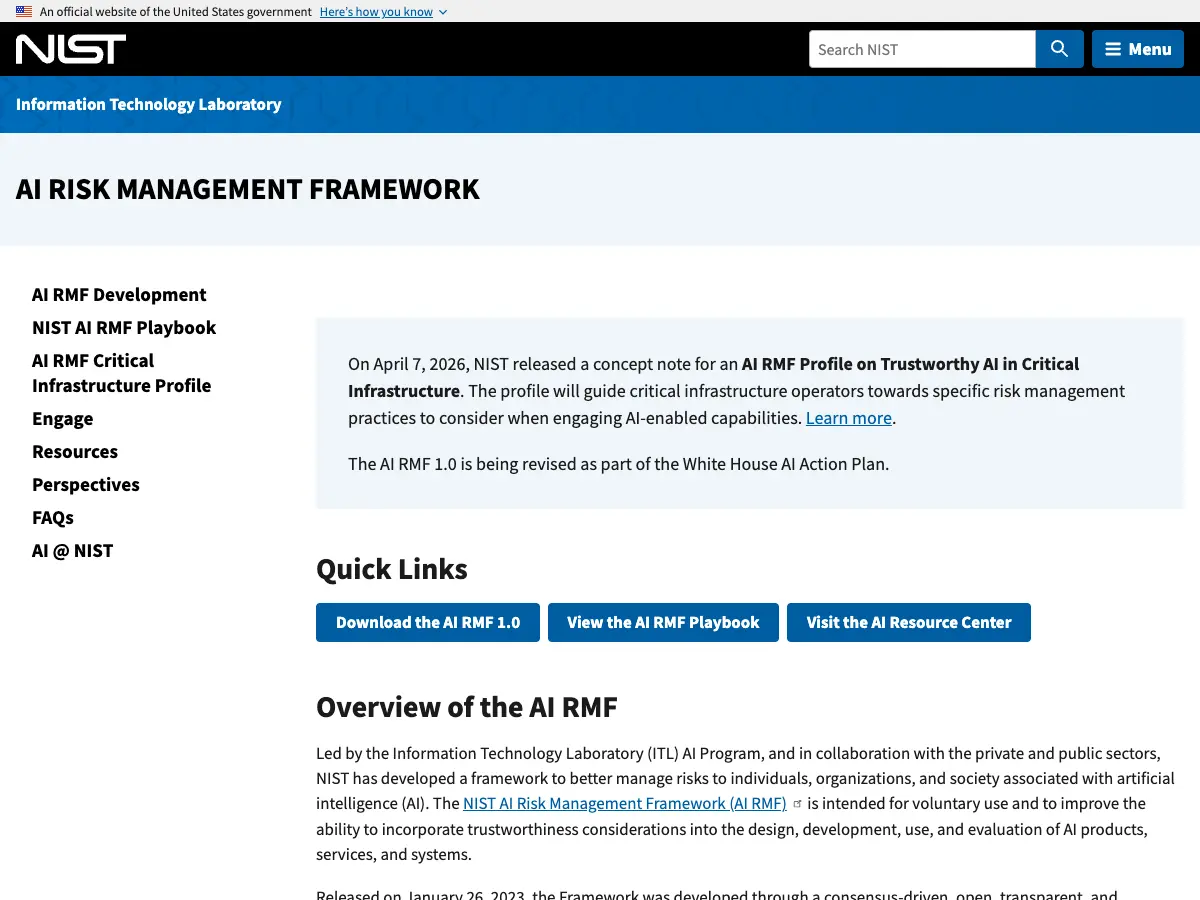
NIST's framework helps a business organise the risks it needs to manage around an AI system. Its voluntary framework covers the design, development, use and evaluation of AI.
Bring it to a proposal review when a benefit has an owner but the consequences of a wrong output do not. Ask the team to name the affected people and who would respond if the system caused harm. The framework gives structure to that discussion. The team still has to investigate the proposed use and decide which controls it needs. NIST says version 1.0 is being revised.
2. UK AI Playbook
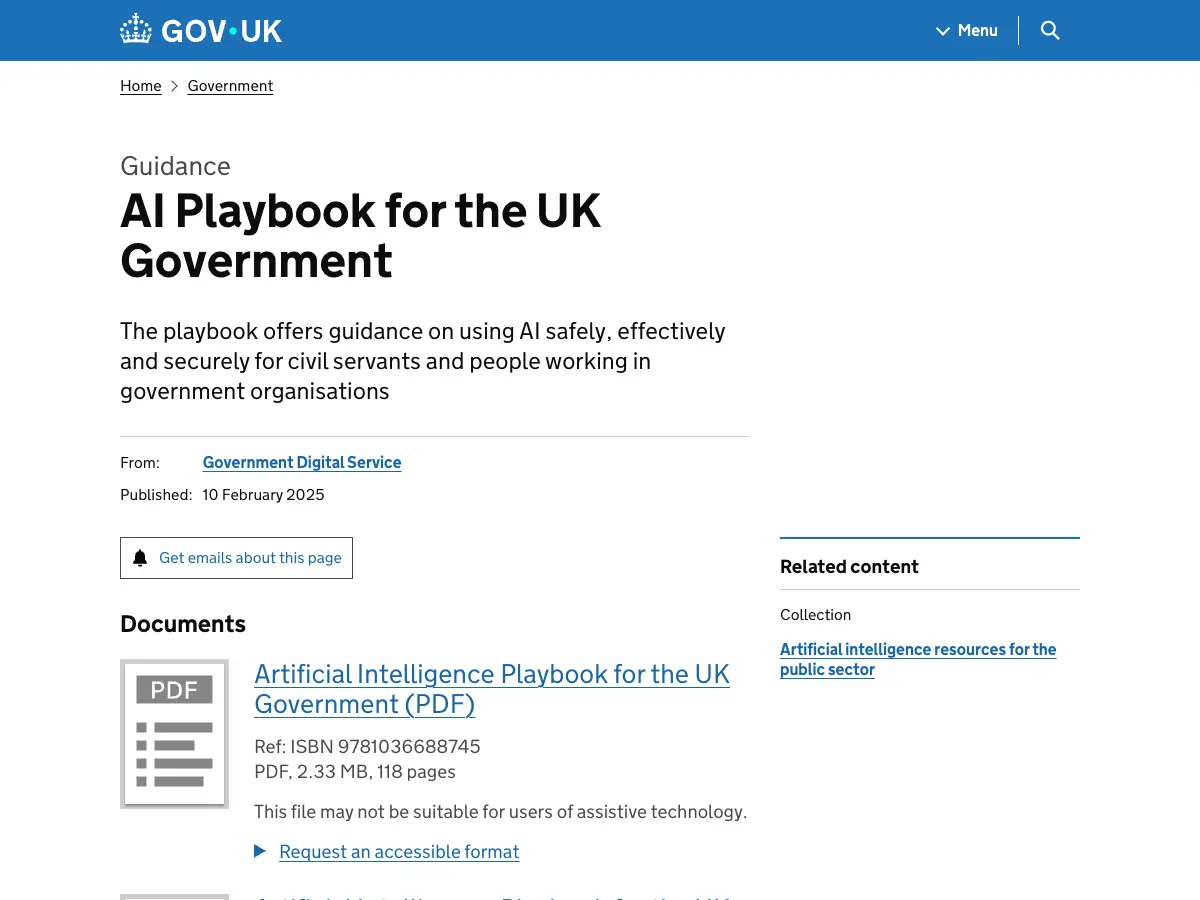
The UK government's playbook helps a team work through selecting, buying and deploying AI. Its ten principles sit alongside guidance on capabilities, limitations and risks.
Use it when the proposal moves straight from an interesting example to procurement. Ask which part of the work the tool would change and what the team needs to establish before buying it. It was written for civil servants and government organisations. A commercial buyer can use the questions while checking which public-sector requirements apply to its own situation.
3. People + AI Guidebook
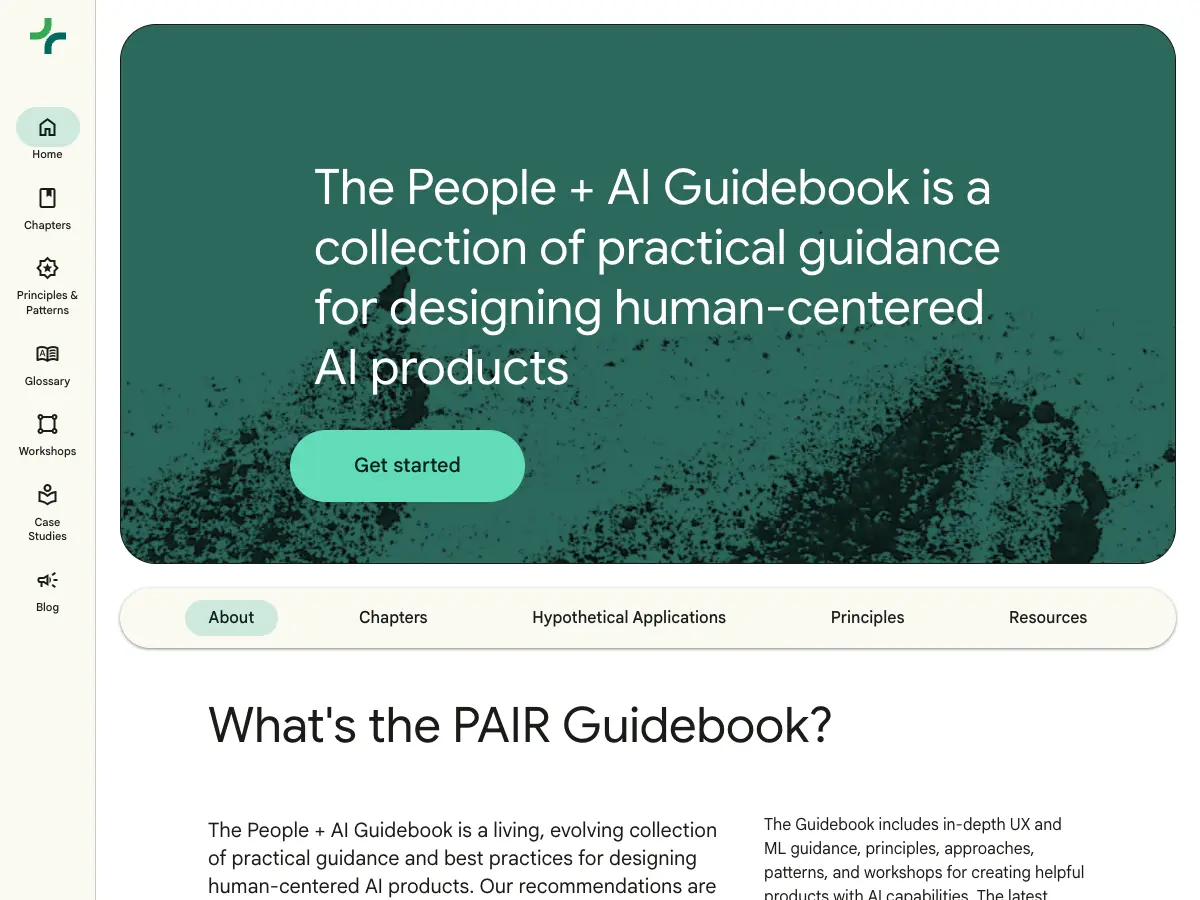
Google's People + AI Guidebook is practical guidance for designing AI products around the people using them. It is useful when the proposal describes what the technology can produce but leaves the person's work unclear.
Take one proposed output and ask what the recipient would do with it. Who checks it, and what happens when they cannot use it? Bring those questions into a discussion with the people doing the work. The guidebook concerns product design. Any expected improvement in your process still needs its own test.
4. Microsoft Scenario Library
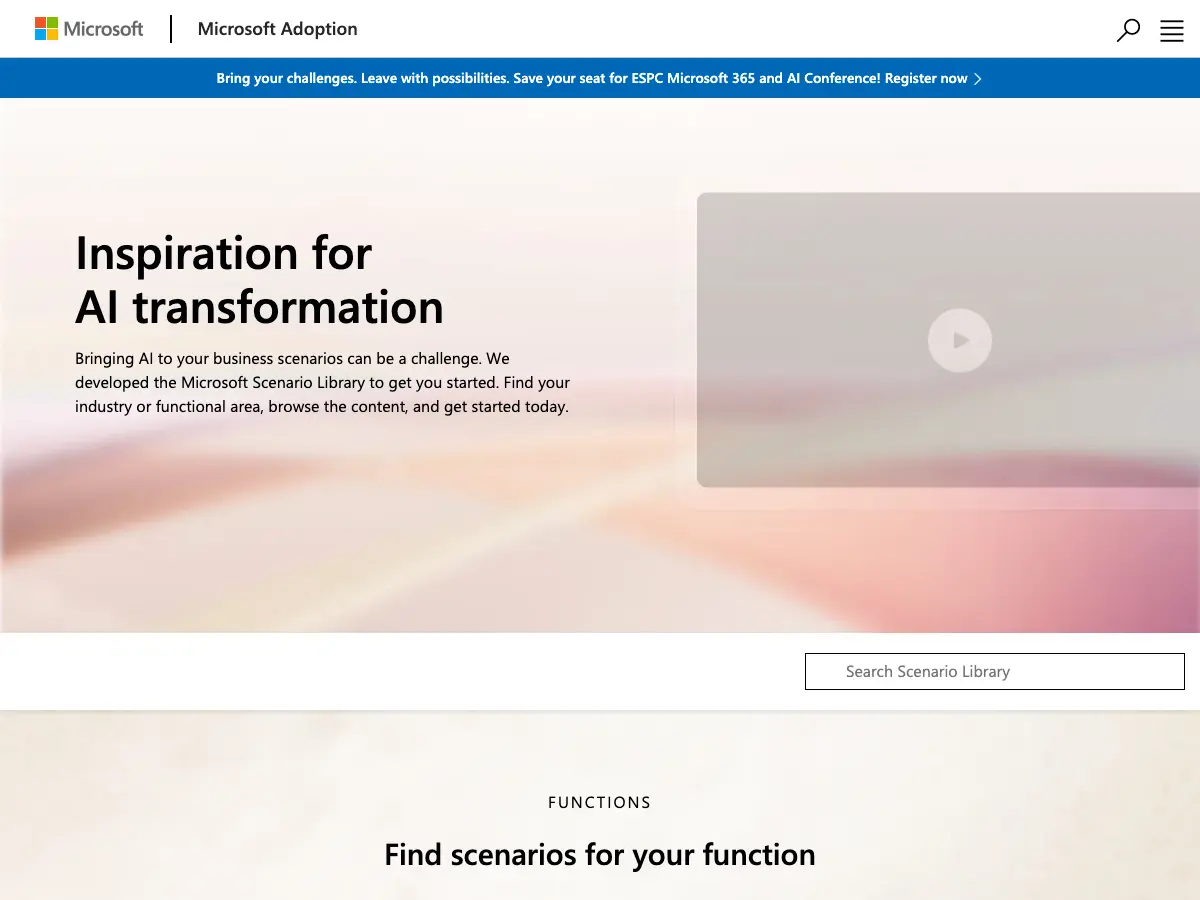
Microsoft's scenario library gives teams examples organised by business function and industry. Sales, operations and customer service are among the functional areas.
Use it to make a vague proposal more specific. Pick a relevant scenario and write down which of your existing tasks resembles it, which information that task uses and who receives the result. Microsoft's examples concern its products. Check the product and access requirements before treating a scenario as something your team could run, and measure the effect on your own work.
5. Anthropic Economic Index
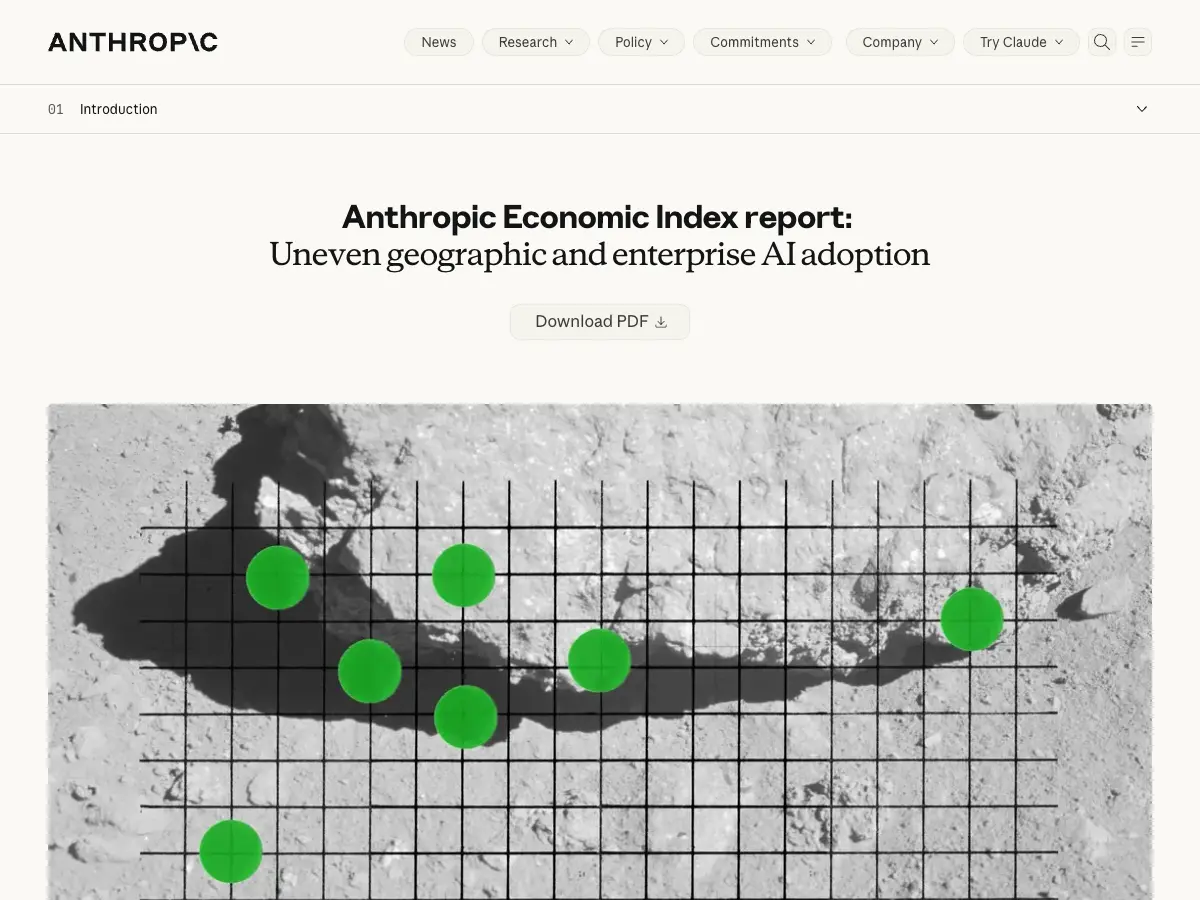
Anthropic's September 2025 Economic Index report examines how Claude was used across tasks, locations and enterprise API deployments. It gives a team an external reference for discussing where AI use has appeared.
Use the report when a proposal assumes that an entire role can be handed over because AI can perform some of its tasks. Ask which tasks the proposal actually covers and which responsibilities stay with a person. The report describes use of Claude in its studied population. It does not establish the quality, savings or staffing consequences of your proposed workflow.
6. DBT Copilot evaluation
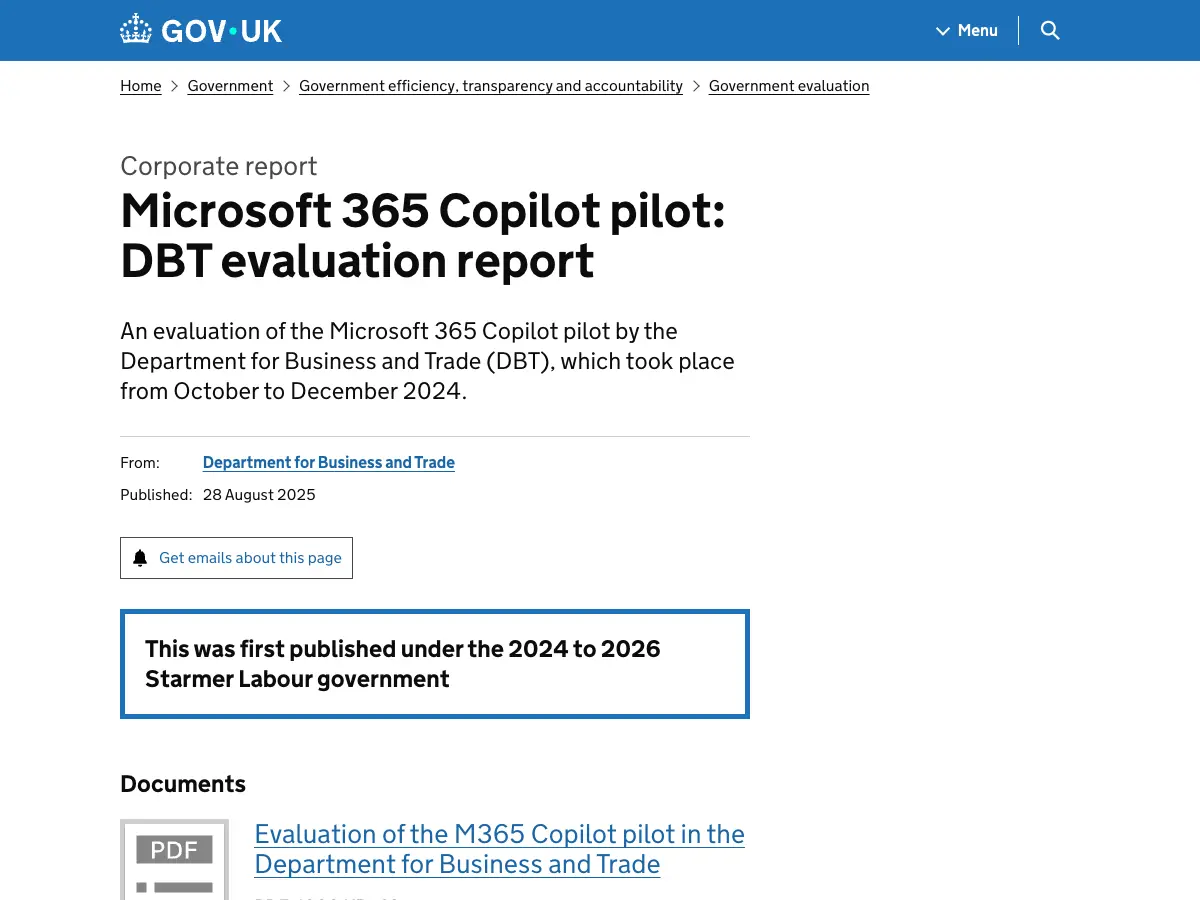
The Department for Business and Trade's Copilot evaluation helps a reviewer inspect how a reported time saving was measured. It combines staff diaries with other methods, including observed tasks.
Use the methodology to question a headline estimate. Were people asked how long a task would have taken without the tool, or was that work observed? Did the review cover output quality and correction time? The report concerns a particular pilot and period. Its findings are evidence about that trial, while the proposed investment needs a baseline and test for your team.
7. ICO guidance on AI and data protection
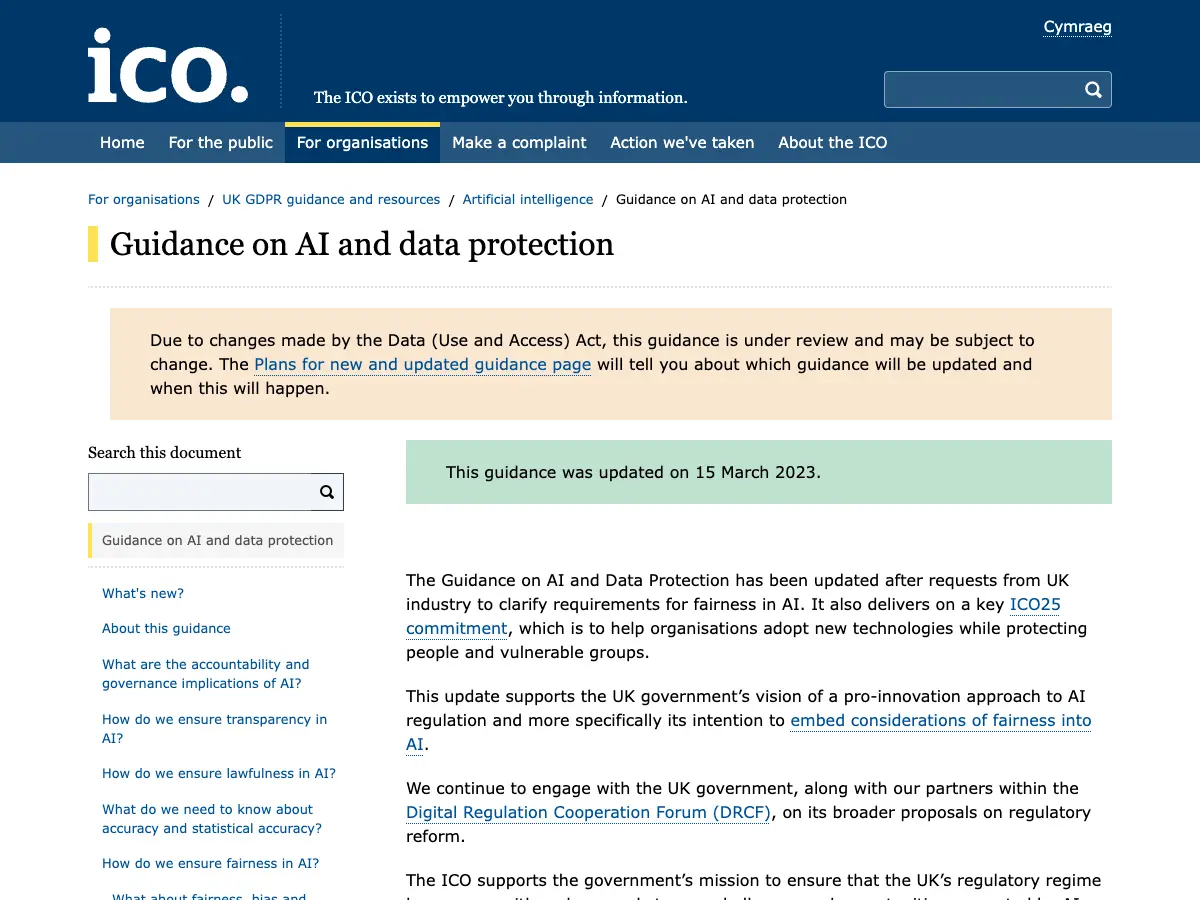
The UK Information Commissioner's guidance helps a team examine how using AI affects its handling of personal data. Its coverage includes fairness and the data protection principles.
Bring it into the review before a proposed workflow starts using customer or employee records. Ask what information the system needs and who is accountable for its use. The ICO flags that this guidance is under review following the Data (Use and Access) Act. Use the current guidance and obtain advice relevant to the company's jurisdiction when deciding its obligations.
8. OECD AI Principles
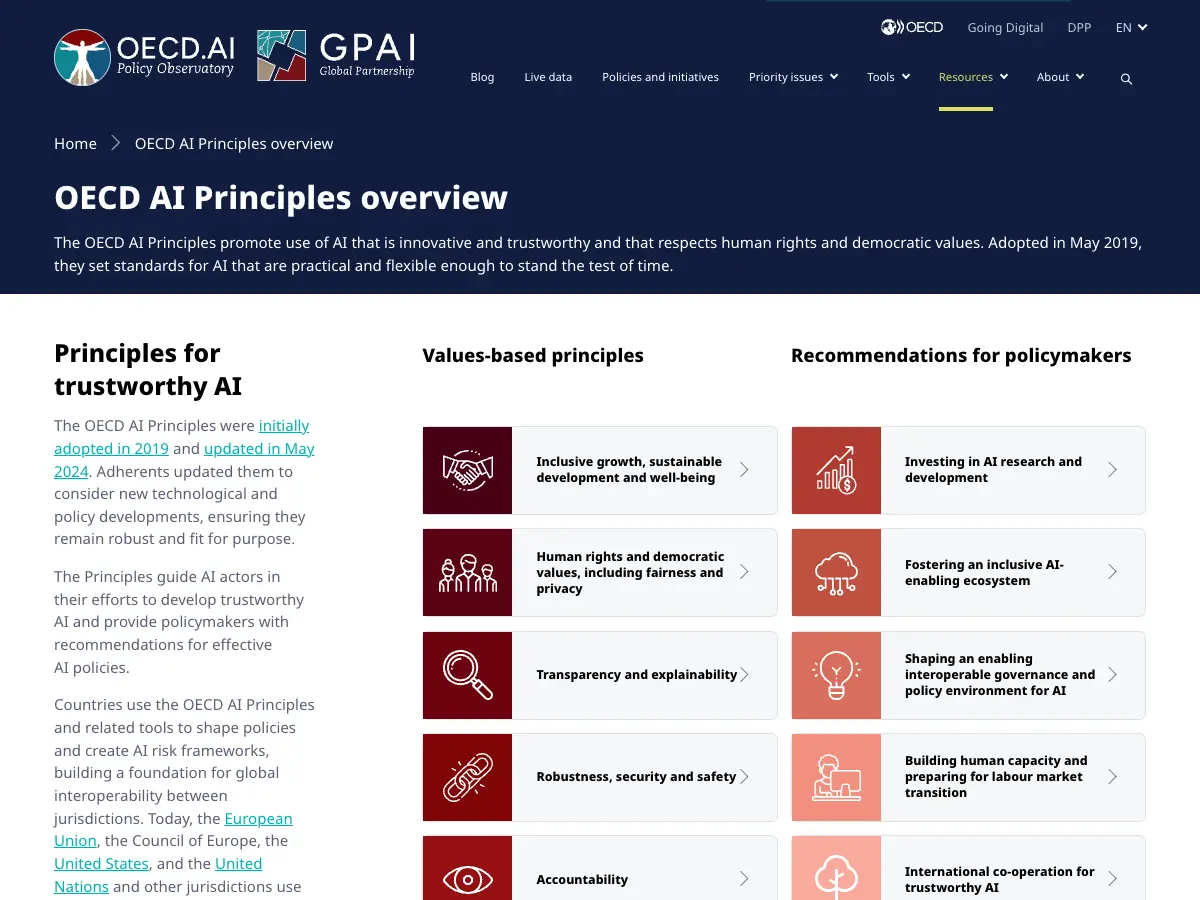
The OECD AI Principles give a leadership team a shared reference for discussing responsible AI. They address accountability, transparency and explainability, alongside other principles.
Use them to question a proposal that promises a faster decision without saying how someone affected could understand it. Ask who would explain the outcome and take responsibility for it. The principles can guide that discussion. The team still needs to turn its commitments into decisions about this workflow, with named responsibilities and evidence that the arrangements work.
9. Canadian Algorithmic Impact Assessment
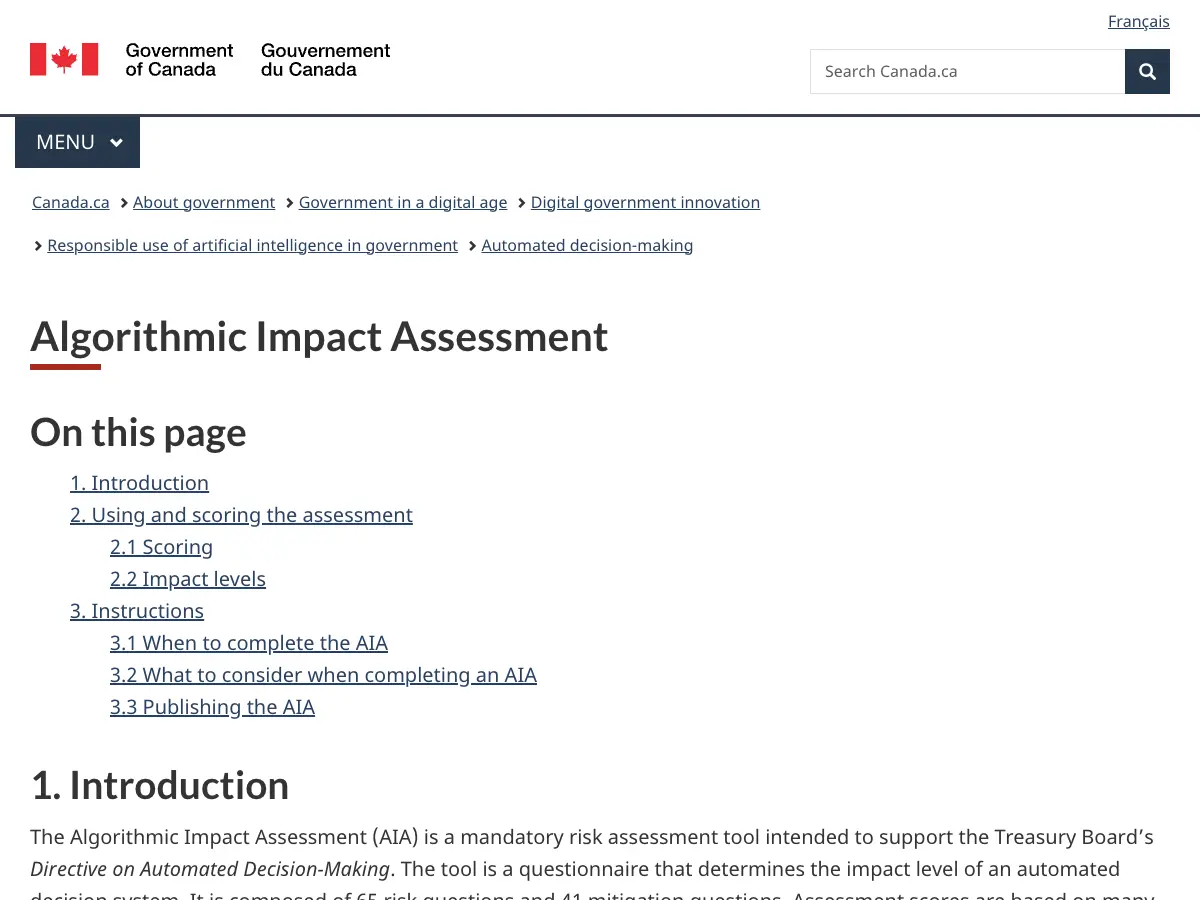
Canada's Algorithmic Impact Assessment provides a questionnaire for examining an automated decision system and its effects on people. It supports the Canadian federal Directive on Automated Decision-Making.
Use its questions when a business case gives AI a part in a consequential decision. Describe the decision, the people affected, the input data and the safeguards proposed. The instrument's scoring and impact levels belong to its Canadian government policy context. A private business can learn from its questions while establishing the assessment and obligations appropriate to its own use.
10. UK Algorithmic Transparency Recording Standard
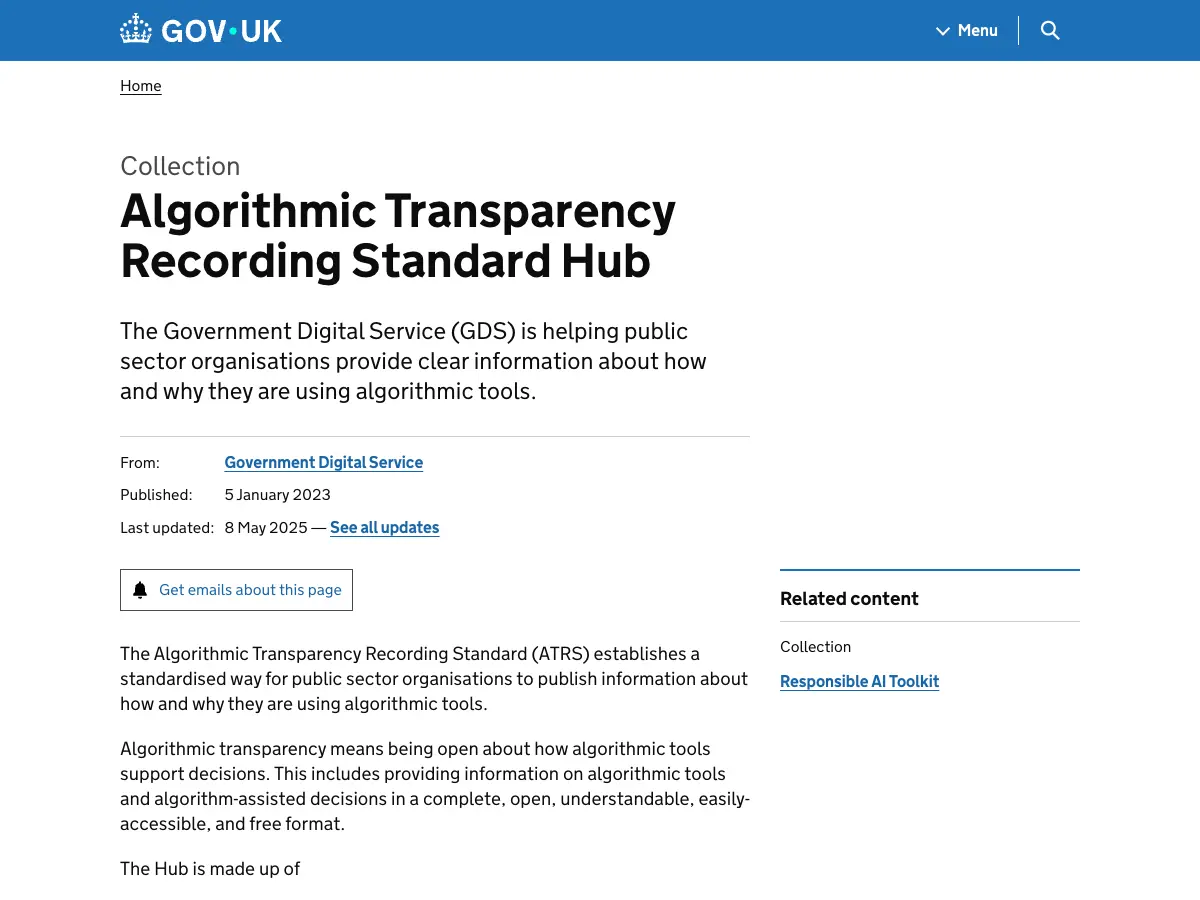
The UK's Algorithmic Transparency Recording Standard helps public bodies explain how and why they use algorithmic tools. Its hub includes a template, guidance and published records.
Use those records to ask whether a proposed system could be explained to someone outside the project. Who uses it, which decision does it support and where does human responsibility sit? The standard has a defined mandatory scope in UK government. Published records offer examples of disclosure, with the accuracy and effectiveness of your proposed system still needing investigation.
Explore the transparency standard and published records.
A leadership team reviewing its first proposal can bring the workflow, expected effect and unanswered questions to an AI potential clarification. The discussion can establish which assumption to test before committing to the larger investment.
Sources
- NIST AI Risk Management Framework
- UK AI Playbook
- People + AI Guidebook
- Microsoft Scenario Library
- Anthropic Economic Index
- DBT Copilot evaluation
- ICO AI Toolkit
- OECD AI Principles
- Canadian Algorithmic Impact Assessment
- UK Algorithmic Transparency Recording Standard
Sources checked on 11 November 2026.