10 time management books for self-employed people
Choose a book for what keeps taking over your week.

Slow Productivity addresses how much work you take on, while Deep Work concerns the uninterrupted attention a demanding task needs. Getting Things Done offers a system for organising commitments; Four Thousand Weeks questions the attempt to fit everything in.
These ten books give different starting points for a crowded working week. The selection pairs each author's approach with a problem in running a small service business, from forgotten promises to work that keeps expanding. Choose the problem you can recognise in your own week. The descriptions follow the publishers' accounts; the suggested applications are ways to try an idea, without a promise of more income or fewer working hours.
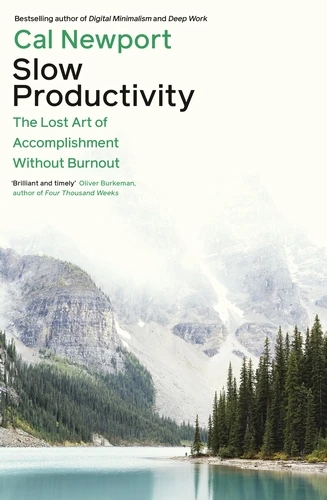
1. Slow Productivity
Slow Productivity is for rethinking the amount and pace of work you take on. Cal Newport discusses choosing projects and setting some aside as part of a more sustainable approach to accomplishment.
In a hypothetical consultancy, several client projects can all be active while none receives enough attention to finish. Use the book to question how many should be underway together. Existing promises to clients still need to be met or renegotiated; reducing the list on your own does not change those agreements.
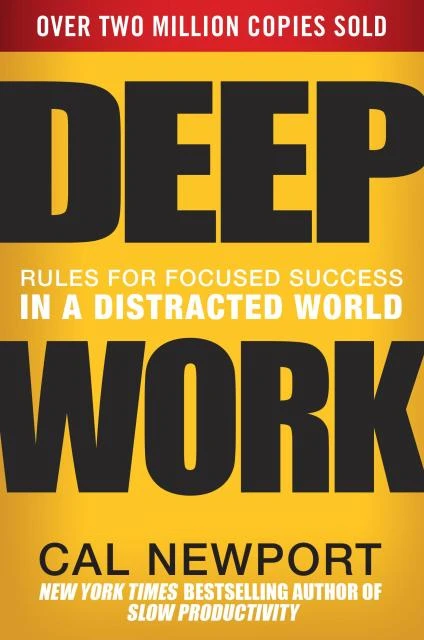
2. Deep Work
Deep Work concerns sustained concentration on demanding tasks. Newport sets out rules for developing that ability and changing habits that interrupt it.
It fits a week with time allocated to an important proposal but little uninterrupted progress. Try protecting a period for that work and agree how urgent client needs will be handled. This addresses attention within the available time. If the workload itself is too large, a protected afternoon leaves that separate problem to resolve.
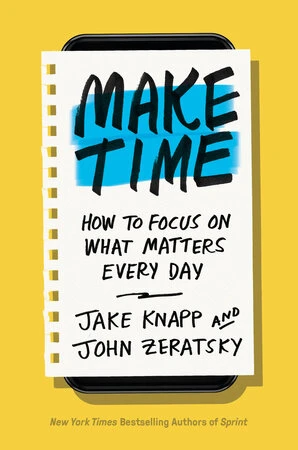
3. Make Time
Make Time offers small changes to the design of a day. Jake Knapp and John Zeratsky describe a daily framework and a menu of tactics that readers can adapt to their own routines.
Choose it when a workable day keeps turning into a sequence of reactions. A self-employed designer might try a change to when messages are checked and notice what happens to both project progress and client replies. Keep the experiment small enough to understand what changed. The publisher's menu is an invitation to adapt, so there is no need to adopt every tactic.
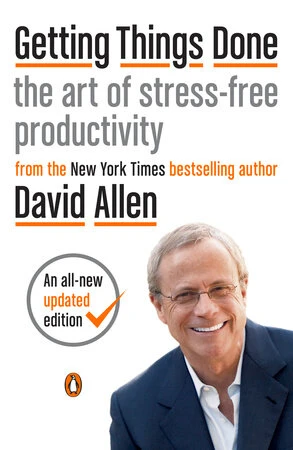
4. Getting Things Done
Getting Things Done is David Allen's approach to personal organisation. It gives readers a system for handling professional and personal tasks.
This is a different starting point from protecting focus. It fits the owner who remembers a promised follow-up halfway through another piece of work. Begin by bringing outstanding commitments together so they can be reviewed. An organised list can reveal more work than the week can hold, which still calls for a choice about timing or terms.
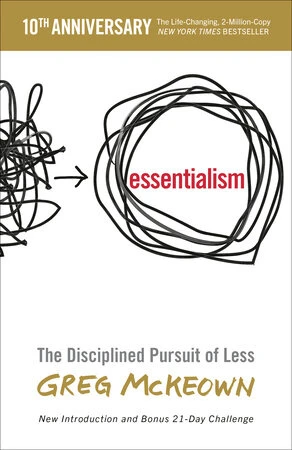
5. Essentialism
Essentialism concerns deciding where to spend time and energy. Greg McKeown argues for more selective criteria and removing activities that do not make the required contribution.
Use it when a small business keeps adding work without deciding what to stop. Compare an optional networking event with the client preparation it would displace. The question is what each activity serves in this business. A book cannot decide which commitment you can safely drop; that requires the agreement, consequences and your own priorities.
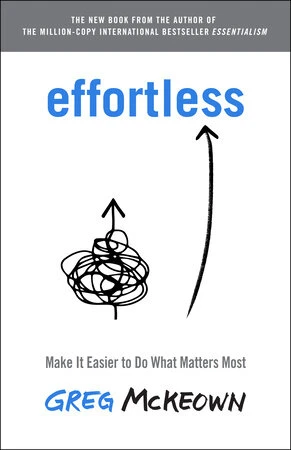
6. Effortless
Effortless addresses how to make important activities easier to carry through. McKeown discusses simplifying processes, removing unnecessary steps and setting a sustainable pace.
Where Essentialism asks what deserves your effort, this book fits recurring work you have already decided to keep. Look at the steps in preparing a regular client update. Which are needed for the client to use it, and which survive only because that is how you did it last time? Check a simpler version with the person receiving it before treating the time saved as a success.
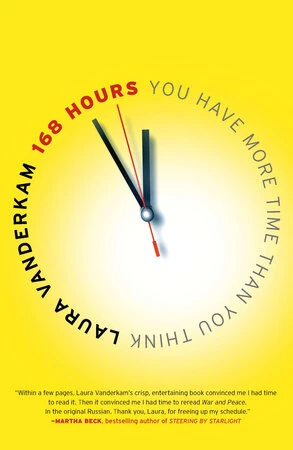
7. 168 Hours
168 Hours concerns where time goes across a whole week. Laura Vanderkam discusses recording time and structuring the week around priorities.
Choose it when your explanation of being busy rests on memory. Keep a record that includes preparation and the gaps between appointments as well as paid delivery. It can show where a planned task lost its place. Vanderkam's optimistic account of making time is not evidence that your own commitments will fit; the record may show that some need to change.
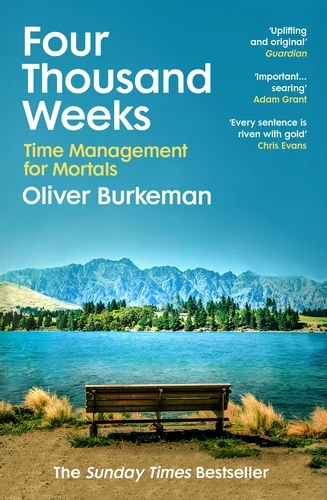
8. Four Thousand Weeks
Four Thousand Weeks asks how to live with limited time. Oliver Burkeman challenges the ambition to get everything done and explores what accepting those limits means for how people live.
It fits an owner whose unfinished list feels like a permanent personal failure. Use it to question the expectation behind the list before choosing another organising system. A business can have more worthwhile possibilities than its owner can pursue. The practical consequence might be leaving a plausible new offer unexplored while delivering the work already chosen.
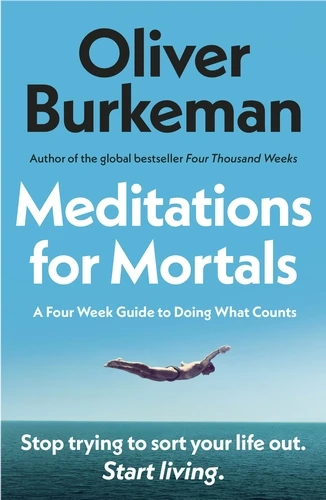
9. Meditations for Mortals
Meditations for Mortals develops Burkeman's outlook of acting within an imperfect life. It offers reflections on taking action without first reaching an ideal state of readiness.
This serves a different problem from an overfull list: postponing work until the whole business is organised. If an owner keeps delaying a useful conversation until a website is finished, a small step could be arranging the conversation with the material already available. Keep any promises proportionate to what can actually be delivered. The book's outlook does not remove the preparation a customer genuinely needs.
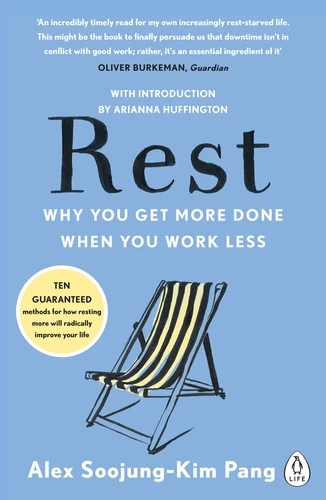
10. Rest
Rest examines the place of deliberate rest alongside work. Alex Soojung-Kim Pang discusses practices such as scheduling time away and leaving a task with its next step clear.
Read it when the only proposed solution to unfinished work is another evening at the desk. Look at what would need to change for a break to be possible, including client expectations and unfinished handovers. The examples can prompt a change to try; they do not establish how much rest a particular person needs or guarantee that a shorter week will preserve revenue.
A real calendar gives a business coaching conversation something to work with. Bring the work you have agreed to deliver and the part of the week you want to change to the first conversation.
Sources
- Slow Productivity
- Deep Work
- Make Time
- Getting Things Done
- Essentialism
- Effortless
- 168 Hours
- Four Thousand Weeks
- Meditations for Mortals
- Rest
Sources checked on 12 November 2026.