10 books for better customer interviews
Find a book for the part of customer research you need to improve.

Start with Interviewing Users if you need to ask better follow-up questions, Demand-Side Sales 101 if you need to understand a purchase, or Mapping Experiences if several people describe different parts of the same process. The books below cover different jobs before, during and after the conversation.
The selection uses books with a method you can apply to a business decision, from recruiting participants to testing an assumption that surfaced in the interviews. The examples show how you might use each book in a commercial team.
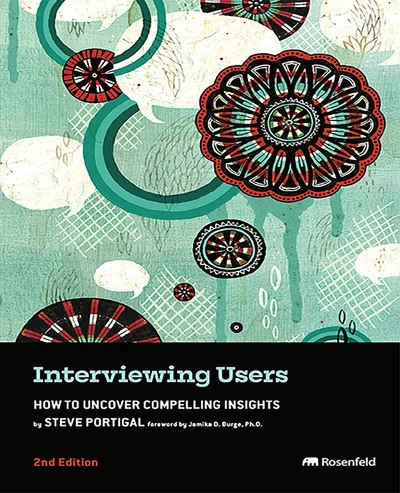
1. Interviewing Users
Use Steve Portigal’s book to prepare and run the conversation. The publisher’s edition covers the interview guide, question types, silence and troubleshooting. If someone says a handover usually goes badly, leave room for them to finish and ask about the last handover. An interview can uncover the steps they remember. It may still take a visit to see the work they leave out.
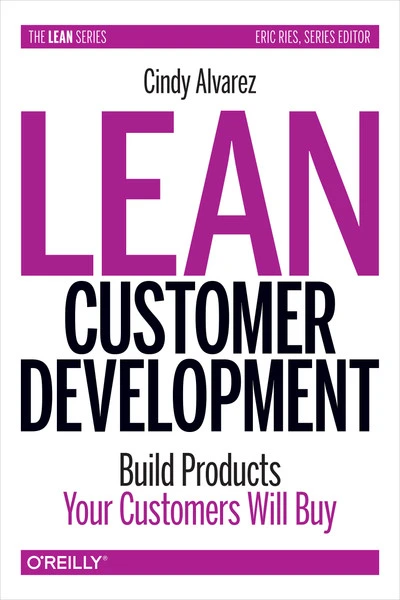
2. Lean Customer Development
Use Cindy Alvarez’s book to test whether the problem you expect is the one people report. The book covers avoiding leading questions and challenging patterns in the notes. Before approaching customers about slow approvals, write down what you think holds them up and what would make you change your mind. A repeated complaint gives you something to investigate further. A decision to pay for a change needs its own evidence.
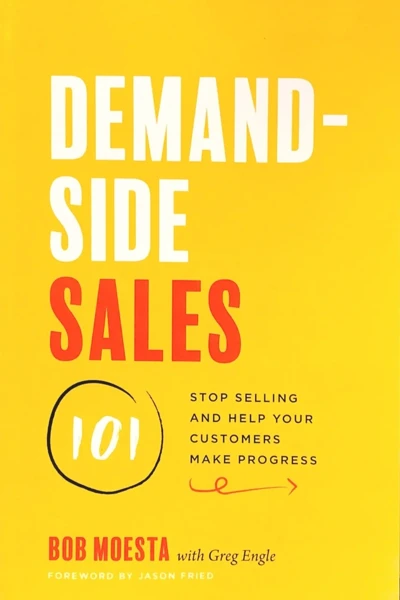
3. Demand-Side Sales 101
Use Bob Moesta and Greg Engle’s book to understand why someone decided to buy. The authors’ book site frames selling around the buyer’s process. Ask a recent customer what made the old arrangement difficult enough to revisit, what else they tried and what made the new choice feel safe enough. A customer who switched can tell you why they moved. Speak to someone who stayed put if you also need to understand why a change stalls.
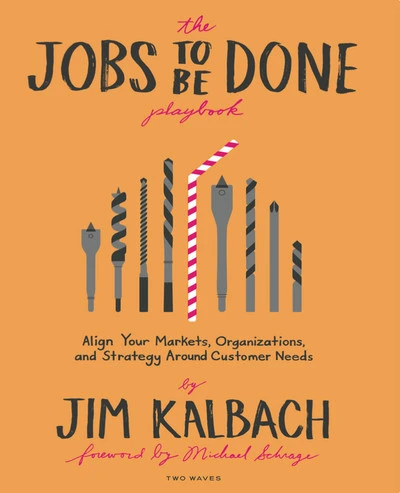
4. The Jobs To Be Done Playbook
Use Jim Kalbach’s book to turn an account of a purchase into a clearer description of what the customer was trying to get done. The book introduces jobs and switch interviews in its chapter on discovering value. A customer asking for a dashboard might be trying to walk into a weekly review with numbers they can explain. Check the proposed job with other people who do the work before making it the basis for a wider offer.
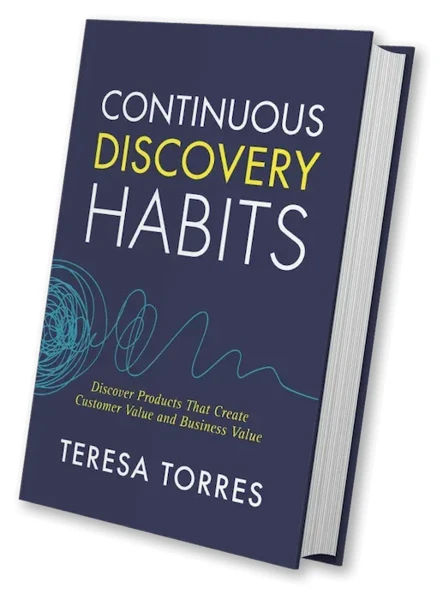
5. Continuous Discovery Habits
Use Teresa Torres’s book to keep talking to customers as your team makes decisions. The author’s introduction sets out a regular cadence of customer contact and small research activities in pursuit of an outcome. If a team is working on renewals, one conversation might explore what customers needed in the weeks before approval and the next might look at a renewal that stalled. Cadence helps sustain the work. The mix of people you hear from still determines what you can learn.
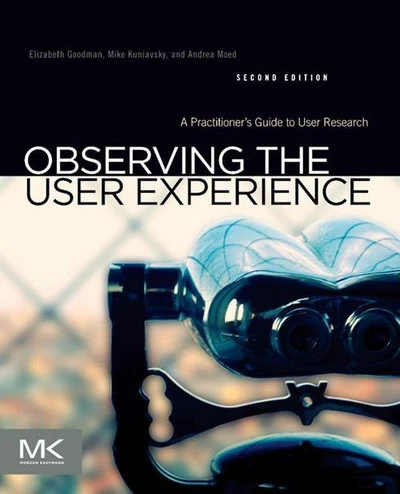
6. Observing the User Experience
Use the book by Elizabeth Goodman, Mike Kuniavsky and Andrea Moed when a conversation leaves you unsure how work actually happens. The edition covers interviewing, field visits and diary studies. An operations lead may describe copying one number between two systems. Watching the work can reveal the checks and exceptions in between. A visit shows the setting you observed, so be careful about treating it as typical elsewhere.
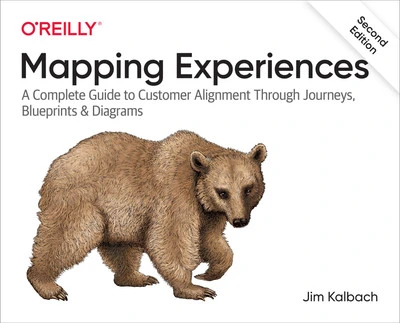
7. Mapping Experiences
Use Jim Kalbach’s book when accounts from several roles need to sit side by side. The publisher’s second edition covers investigating the experience, journey maps and service blueprints. Map the buyer’s approval route and mark where finance, operations and the supplier describe different events. Leave uncertain steps visible so others can correct them.
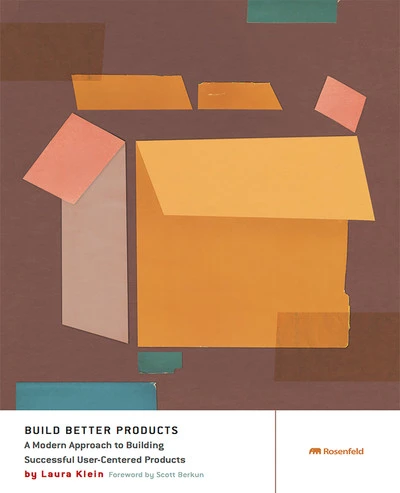
8. Build Better Products
Use Laura Klein’s book to work out which research question deserves time before a product decision. The book ties choosing a research topic and method to listening and prioritisation. If an account asks for a new export, first decide whether you need to understand the customer’s reporting process or test a proposed format. That decision changes whom you talk to and what you show them. The interview can help you choose the next test.
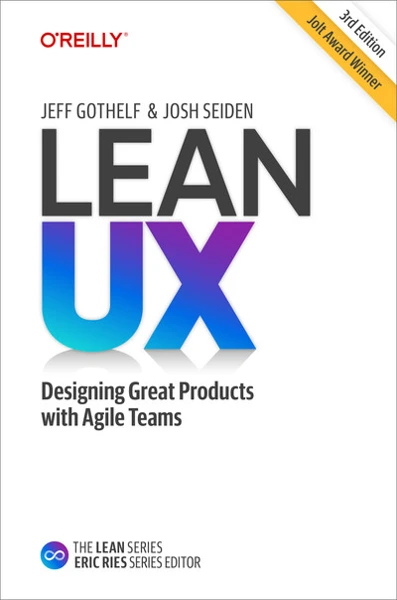
9. Lean UX
Use Jeff Gothelf and Josh Seiden’s book when an interview leaves you with an assumption you can test. The publisher’s third edition develops a team process around outcomes, hypotheses and experiments. If customers say they need less manual checking, show them a draft workflow and watch what they verify before moving on. That can help you judge the proposed workflow. It tells you less about whether the organisation will buy it.
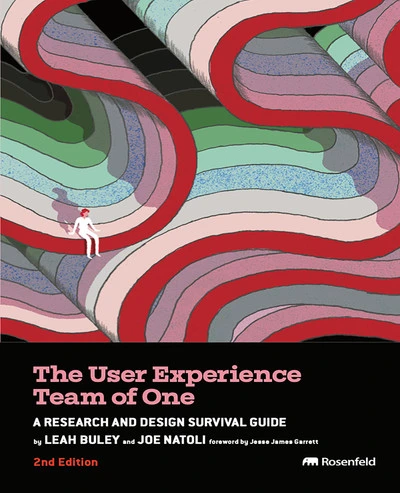
10. The User Experience Team of One
Use the book by Leah Buley and Joe Natoli if you have to organise the research alongside your usual work. The book covers research and design methods for a small practice. Start with one decision, ask a colleague to observe an interview and agree how you will use the notes. A small study is easier to do, and its findings should travel with a clear account of whom you spoke with.
If your sales team needs to turn what it learns into better opportunity decisions, opportunity qualification includes deal reviews using the team’s own opportunities.
Sources
- Interviewing Users
- Lean Customer Development
- Demand-Side Sales 101
- The Jobs To Be Done Playbook
- Continuous Discovery Habits
- Observing the User Experience
- Mapping Experiences
- Build Better Products
- Lean UX
- The User Experience Team of One
Sources checked on 21 November 2026.