How to check an AI-built account list
A territory can look smaller because the list missed companies. Check who is missing before you set a target.

Compare an AI-built account list with a separate list of the companies you expect it to cover. Show the gaps before you use it to compare territories or assign targets.
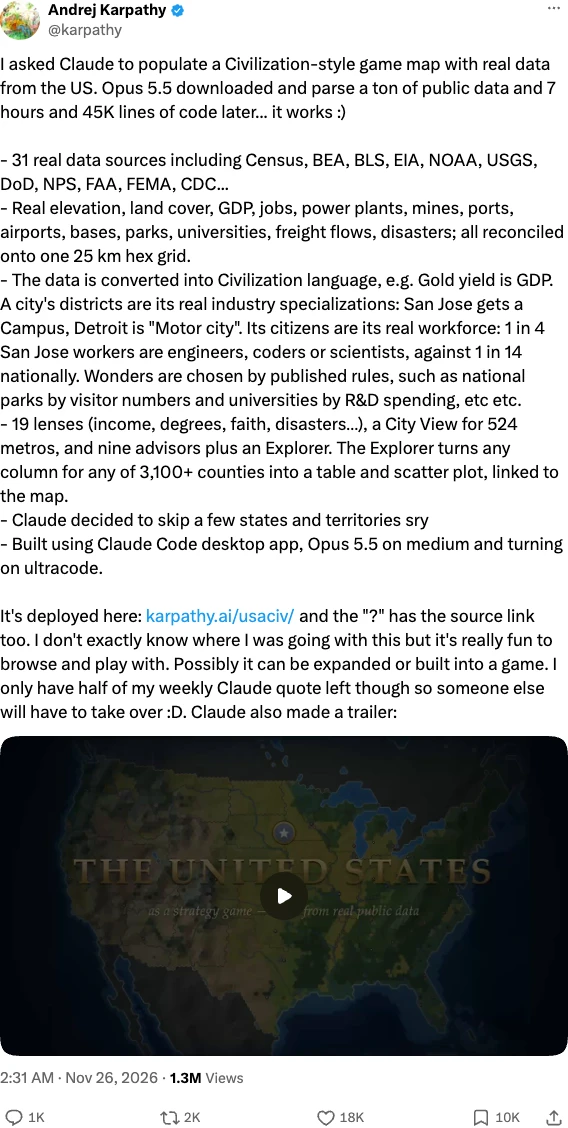
Andrej Karpathy described using AI to build a game map from US public data. The project combined information on jobs, transport and other features into a single map. In the same post, he said the AI had skipped some states and territories. That omission matters differently depending on what you want to do. You can explore a county that appears on the map. To compare coverage across the country, you would first need to know which areas are absent.
Which companies should be on the list?
Write down who qualifies for inclusion before opening the AI output. For a territory plan, that could mean companies in a defined market, above an agreed size and selling to a particular industry. Decide whether subsidiaries count separately. Two teams can produce different account totals from the same sources if one counts local entities and the other counts parent companies.
Suppose a sales team wants to divide a software territory between two reps. One rep's list looks shorter. Before assuming there are fewer opportunities, compare both lists with an internal account register or another defined reference. Look at which companies are missing in each territory and check whether the same sources and rules were applied to both.
What should you do with missing companies?
Keep missing records visible and give someone responsibility for resolving them. An account can have a confirmed value, a value that still needs checking or no usable evidence. Preserve those distinctions in the list and in any totals you present.
If several eligible companies in one region lack a size estimate, keep them in the account list and label that field unknown. You can still discuss confirmed accounts in the meeting. Wait for the open records to be checked before using the relative totals to allocate quota.
The sales forecast review guides cover the next question once the accounts enter the pipeline: what evidence should change how you report a deal?