10 books for building and leading sales teams
Choose a book for the work your sales organisation needs to improve.

Building a sales team means more than hiring people who can close. A leader needs to decide what the team will do, how managers will coach, which activities deserve attention and when the business is ready to scale. These ten books approach those questions from different angles.
The selection is for sales leaders and founders working on a B2B sales organisation. Eight titles focus on sales leadership, management or growth; the final two offer broader management perspectives that can help a sales leader. Choose by the decision in front of you. The list is not a ranking, and a framework built in one company is something to examine against your own customers, product and team.
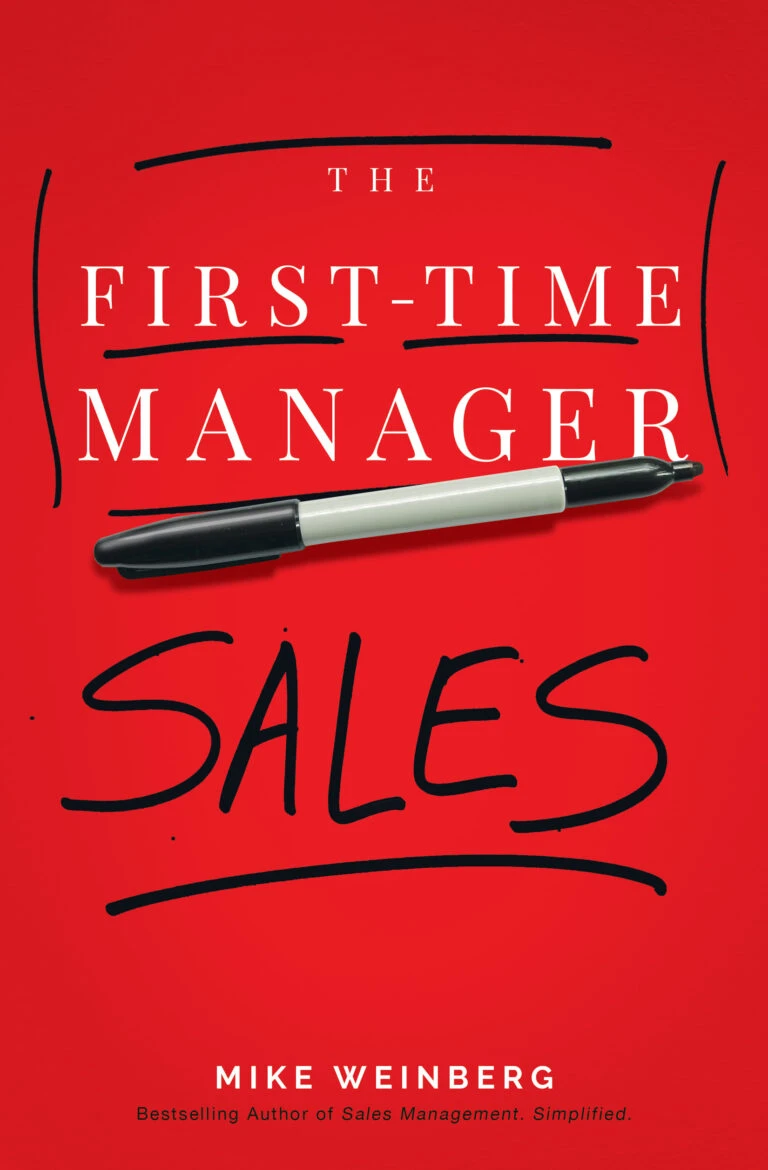
1. The First-Time Manager: Sales
Mike Weinberg's The First-Time Manager: Sales is aimed at people moving into sales management. Start here if you have been responsible for your own opportunities and now need to make time for the people carrying theirs.
The transition changes what a good week looks like. Before reading, write down which decisions you will keep, where you will coach and what you need to stop doing yourself. Use your organisation's actual expectations to define the role.
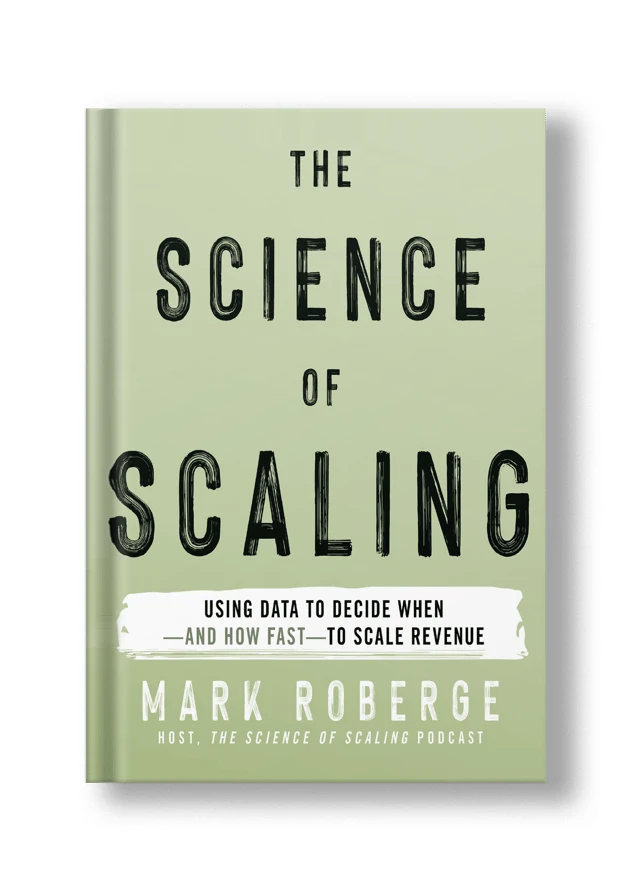
2. The Science of Scaling
Mark Roberge's The Science of Scaling asks founders and leaders to examine when and how quickly to scale revenue. It distinguishes product-market fit, go-to-market fit and growth, including the question of whether capabilities are ready before more salespeople are hired.
Use those stages to discuss what the business has actually demonstrated before adding headcount. The book offers Roberge's framework, not proof that a particular threshold or pace will suit your market. Define the customer and financial evidence your own decision requires.
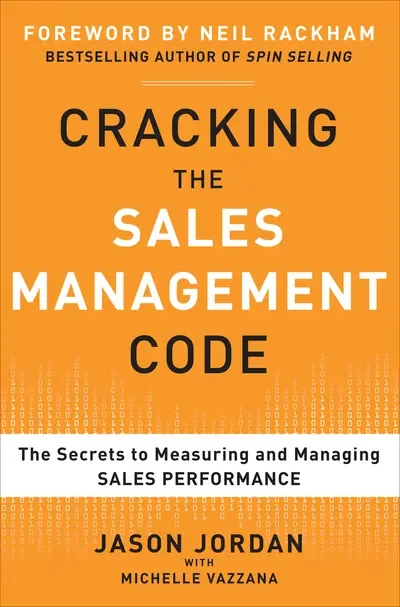
3. Cracking the Sales Management Code
Jason Jordan and Michelle Vazzana's Cracking the Sales Management Code focuses on measuring and managing sales performance. It is relevant when a dashboard has many numbers but the manager is unsure which work those numbers can help them improve.
A question to bring to the reading: take one outcome your team tracks and work backwards: what activities and decisions could affect it, and which of those can a manager observe or coach? A metric can prompt a useful conversation; it cannot explain a customer's decision or the quality of a particular deal on its own.
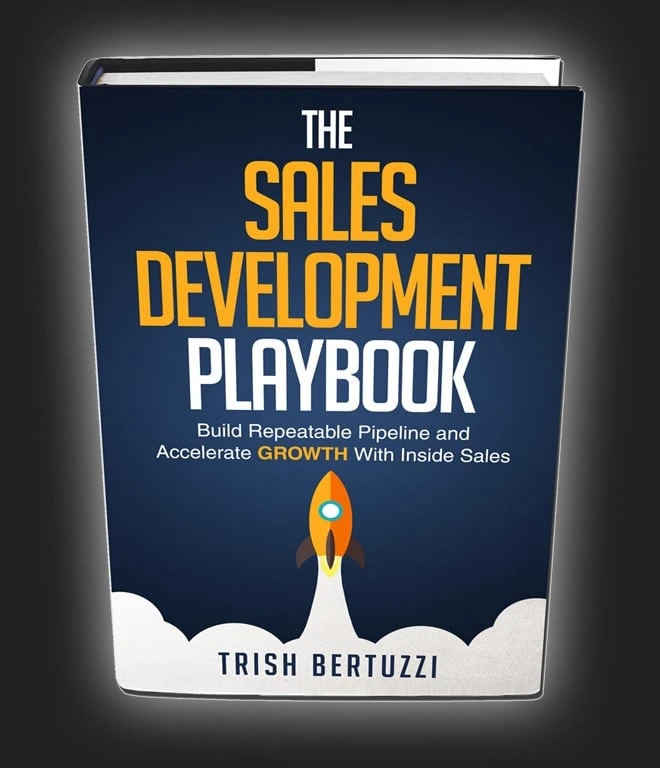
4. The Sales Development Playbook
Trish Bertuzzi's The Sales Development Playbook is directed at people building and leading sales development teams. Its coverage of fit with your market, specialised roles, recruiting and execution makes it relevant when you are deciding how a sales development team should be organised.
Before adopting a structure, describe what a qualified first conversation needs to give the next person and how the teams will learn from what happens afterwards. A specialised outbound team is one model; it is not automatically the right investment for every company or market.
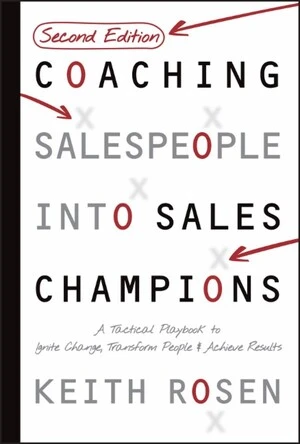
5. Coaching Salespeople Into Sales Champions
Keith Rosen's Coaching Salespeople Into Sales Champions centres on coaching as part of a sales manager's work. Use it when managers spend their meetings solving the seller's problem themselves and want to develop the seller's judgement instead.
Bring an actual opportunity to a coaching conversation. Ask the salesperson what they know, what they are assuming and what they would do next before offering your own answer. Make room for that conversation in the manager’s week.
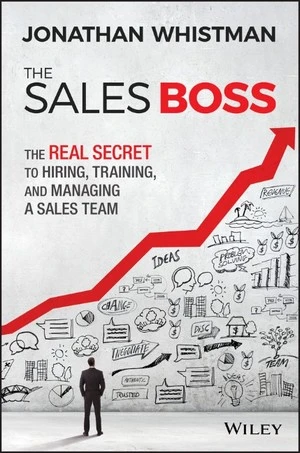
6. The Sales Boss
Jonathan Whistman's The Sales Boss covers hiring, training and managing a sales team. Its emphasis on balancing the skills and strengths of a team makes it relevant when you are deciding what the next hire should add to the group.
Take a role you intend to hire and describe the work the person will actually need to do, the support a manager can provide and how both will know what progress looks like. Compare the role with the strengths already present in the team.
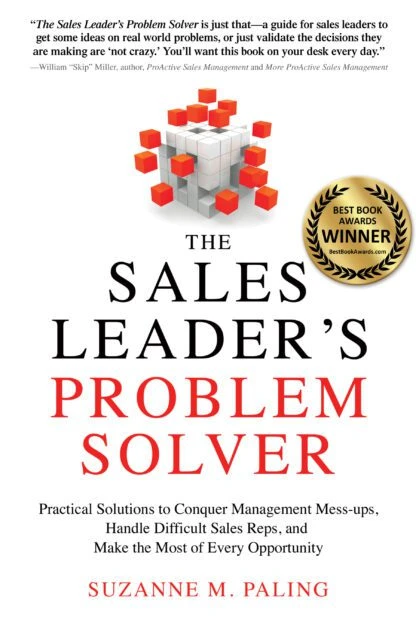
7. The Sales Leader's Problem Solver
Suzanne Paling's The Sales Leader's Problem Solver addresses management problems through individual situations. Consider it when a salesperson sells inconsistently, avoids prospecting or leaves CRM records incomplete. Paling organises the response around clarifying the issue, making a plan and discussing it with the people involved.
Use a case as a prompt to describe the behaviour, the effect on the work and the conversation you need to have. Start that conversation by listening to the employee's account.
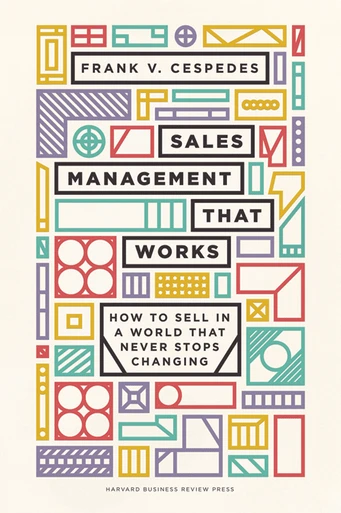
8. Sales Management That Works
Frank Cespedes's Sales Management That Works looks at decisions across a sales organisation, including talent, incentives, training and the sales model. It fits a leader who needs to connect individual management choices to how the business sells.
Choose one change you are considering, such as a new incentive or channel, and follow its consequences through the roles and customer journey. The book's cases and research are inputs to that judgement; they do not establish that another company's arrangement will work unchanged in yours.
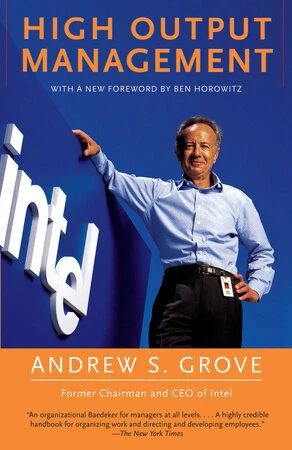
9. High Output Management
Andrew S. Grove's High Output Management is a general management book about building and running an organisation. It belongs here because a sales leader also has to design meetings, make decisions and help other managers do their work.
Use it to look at where your own time helps the team make better decisions and where you have become the person every issue must pass through. Grove's context was a technology company, so translate the principle to the people and work you actually lead rather than copying the operating model.
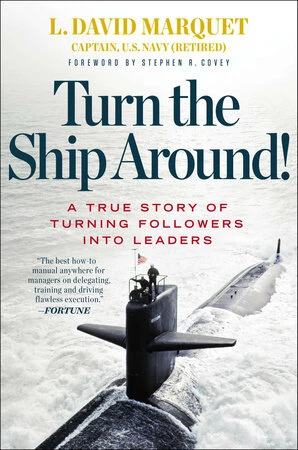
10. Turn the Ship Around!
L. David Marquet's Turn the Ship Around! describes a change in how decisions were made on a submarine. It offers a broader leadership perspective for a manager who wants the team to take more responsibility without leaving people unclear about their authority.
Choose a decision that currently comes back to you. What would a team member need to know, and what boundaries would you agree, before they could make it? A submarine and a commercial team work under different conditions; use the story to question your own arrangements, not as proof of a sales result.
Start with the work your managers need to improve now: moving into leadership, deciding when to scale, coaching a deal or examining the sales model. Then use the book to make one decision more concrete with your team. For a related view of the customer's side of the sale, see how MEDDICC can help map a buying decision. If you are building a Sales Engineering organisation, Sales Engineering advisory can help you connect the role to the wider commercial team.
Sources
- The First-Time Manager: Sales by Mike Weinberg
- The Science of Scaling by Mark Roberge
- Cracking the Sales Management Code by Jason Jordan and Michelle Vazzana
- The Sales Development Playbook by Trish Bertuzzi
- Coaching Salespeople Into Sales Champions by Keith Rosen
- The Sales Boss by Jonathan Whistman
- The Sales Leader's Problem Solver by Suzanne Paling
- Sales Management That Works by Frank Cespedes
- High Output Management by Andrew S. Grove
- Turn the Ship Around! by L. David Marquet
Sources checked on 1 November 2026.